Cycle Syncing and Hormonal Balance Nutrition Guide
Stop fighting your body and start working with it. Cycle syncing aligns your nutrition with your menstrual phases to help manage PCOS, PMS, and energy levels naturally.
Cycle Syncing Cheat Sheet: A simple guide to eating and moving in sync with your menstrual cycle. This chart breaks down what to focus on during your Menstrual, Follicular, Ovulatory, and Luteal phases for happier hormones.
Luteal Phase (Days 18-28) Nutrition: In the phase before your period, focus on foods rich in magnesium and healthy fats to combat PMS symptoms. This video highlights avocados, dark chocolate, and nuts to help fight fatigue and mood swings.
Follicular Phase (Days 6-14) Nutrition: As estrogen rises, your body needs light, fresh foods. This video shows how to incorporate sprouted and fermented foods, lean proteins, and healthy fats from nuts and seeds to support hormone production.
Ovulatory Phase (Days 15-17) Nutrition: During ovulation, your energy is at its peak. Fuel your body with high-fiber and antioxidant-rich foods like berries and leafy greens to support your liver and maintain hormonal balance.
Fertility-Boosting Snack: Pumpkin Seeds & Curd: A simple yet powerful snack to support reproductive health. Pumpkin seeds are rich in zinc and magnesium, while curd provides probiotics for gut health, creating a perfect fertility-boosting combination.
About Women's Health & Cycle Syncing
Most of us treat the entire month the same, but your body’s nutritional needs shift dramatically between your menstrual, follicular, ovulatory, and luteal phases. For instance, during your luteal phase, I often recommend upping magnesium-rich foods like dark chocolate and nuts to handle that pre-period dip in progesterone, rather than just forcing a strict calorie deficit. It is about eating for the phase you are in, not just looking at the scale.
Understanding Your Cycle Through Food
Your body is not the same on day 5 of your cycle as it is on day 25. By adapting what you eat to your current hormonal state, you can better manage symptoms like bloating, low energy, and cravings.
The Four Phases
- Menstrual Phase (Days 1-5): This is your time to rest. Your body needs iron-rich foods and warming, comforting meals to replenish what is lost. Think slow-cooked dals, soups, and root vegetables.
- Follicular Phase (Days 6-14): As estrogen rises, your energy builds. This is when I suggest lighter, fresh foods—sprouted beans, idli, dosa, and salads work beautifully here to support rising hormone levels.
- Ovulatory Phase (Days 15-17): Your energy is at its peak. Your body handles raw, antioxidant-rich foods well now. Berries, fresh greens, and cruciferous vegetables are great fuel.
- Luteal Phase (Days 18-28): Progesterone rises, often leading to PMS. To manage this, we shift to complex carbs and magnesium-rich foods (like pumpkin seeds, dark chocolate, and nuts) to stabilize blood sugar and keep mood swings in check.
Why My Approach Works
I don't believe in fad diets that require you to buy expensive, imported superfoods. My plans are based on common Indian pantry staples. Whether you are dealing with PCOS, thyroid issues, or just need more energy, we focus on the science of 'why' you are eating something. We look at your blood markers, analyze your cycle, and build a food map that feels like home. You will not find restrictive calorie counting here, just consistent habits that make you feel like yourself again.
Similar work from other experts
Browse through Curated picks from other experts on mytribe
 64
64
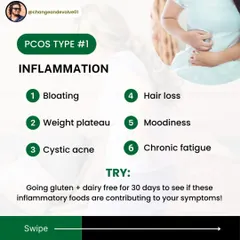
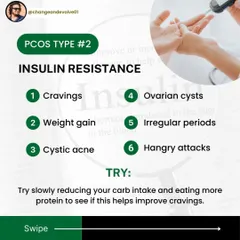
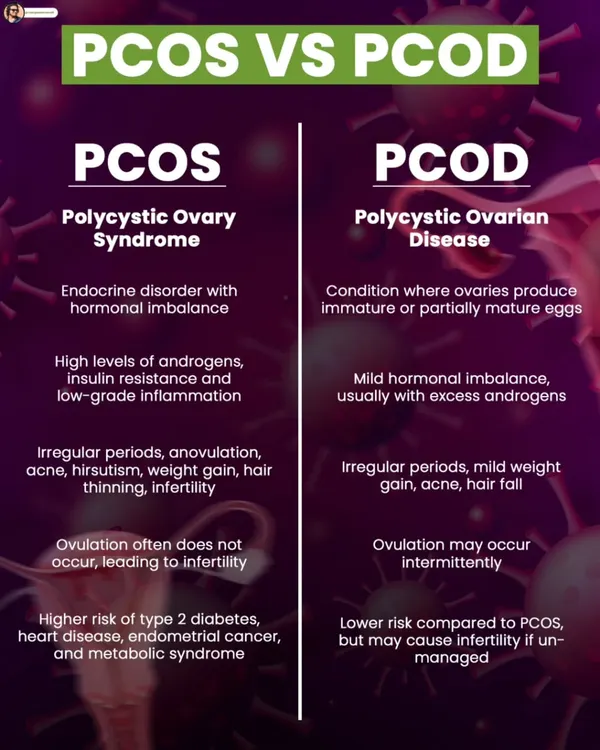
Natural PCOS and Hormone Management
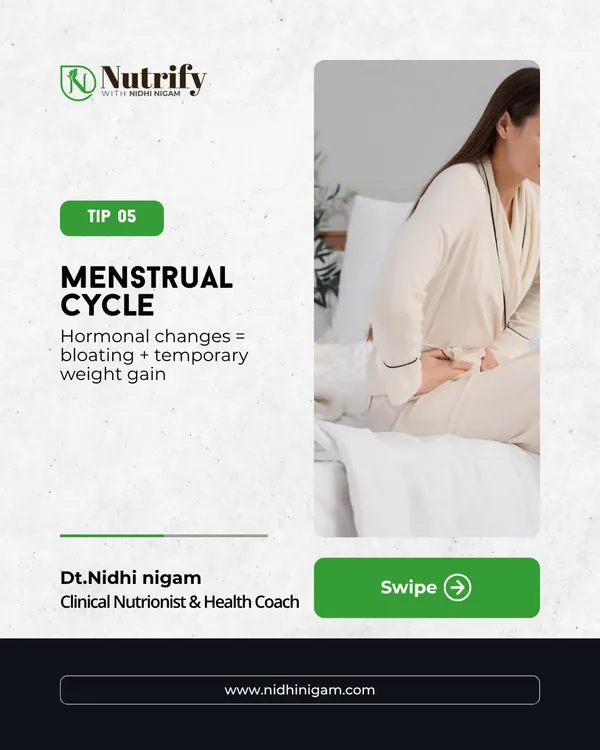 29
29Hormonal Harmony & Cycle-Syncing Nutrition
Personalized Hormonal Balance and Women's Health Plans
 36
36
Managing PCOS Naturally with Indian Home Food
Personalized Nutrition for Hormonal Harmony
 6
6
Balance Your Hormones Naturally
More from Personalized Nutrition & Meal Planning by Vijeta Goyal
More services by Vijeta Goyal