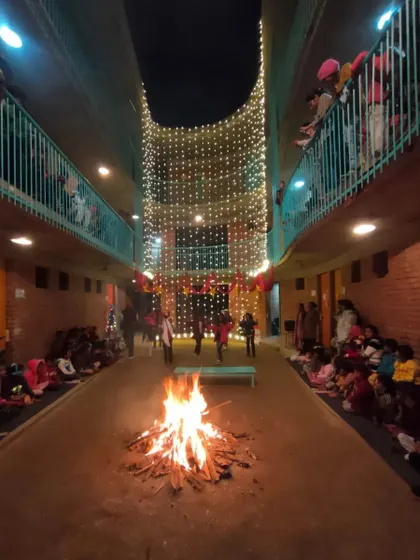
Urban Design & Placemaking in Bengaluru
We design public spaces by working directly with communities, using art, adaptive reuse, and hands-on methods to create places that connect people and respect local context.
Pricing Guide
ESTIMATESAbout Urban Design & Placemaking
How I See Urban Design
I don’t just build structures - I try to build connections. For me, spaces should feel alive, open and part of the neighbourhood, not just separate blocks of concrete. Every project is about finding a balance between nature and city, tradition and new ideas, people and place. Soham - 'I am That' - guides my approach, weaving unity into each space.
What We Do at MapBee
I started MapBee in 2009 as a way to bring different voices together for change. We work with all kinds of people - planners, artists, policy folks, activists - to rethink how our city works. Our methods are pretty hands-on and sometimes experimental, using small steps to spark bigger shifts.
Our Work in Public Spaces
- We use creative placemaking strategies like public art and curation to give neighbourhoods some soul. For example, the "Pincodes" art show in North Bangalore and the Playfield 1SR exhibition at 1 Shanthi Road both used art to connect people to place.
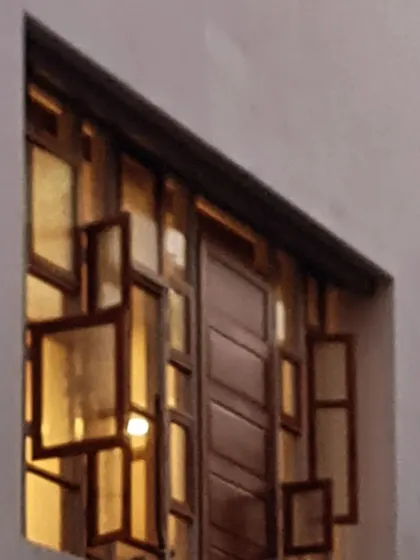
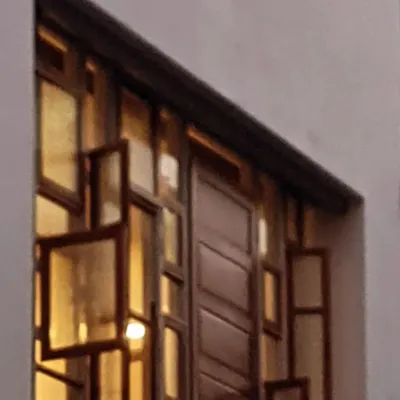
- Urban revitalization through art and design is a big part of our practice. We’ve transformed old buildings into new spaces, like the Kalasangama project, where we reused old doors and windows to keep the memory of the structure alive.
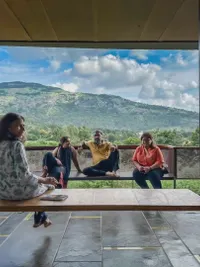
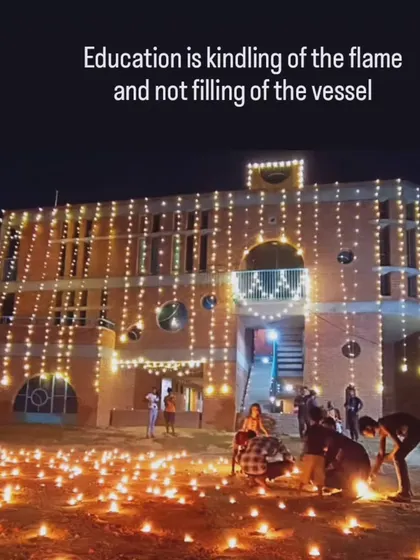
- Community-led public space projects really matter to me. I prefer working with residents, not just for them. Camps, outdoor museums, and school courtyards become places where everyone feels some ownership.
- Adaptive reuse in urban design lets us respect history while keeping spaces useful for today.
My Approach
No fixed style here. I shape each project around its context, with curiosity and a sense of shared responsibility. Mistakes happen, and sometimes ideas don’t land, but I keep learning from every experience.
Highlights
Browse through Meeta Jain Architects's best work
Meet your Expert
Meeta Jain Architects
My Story
I started doodling before I could spell my name, honestly. Studied at CEPT in Ahmedabad, learned architecture’s not just about buildings—it’s about art, space, people. Delhi raised me, but Bangalore let me breathe and build my own rhythm. Set up my studio in 2000, then came 1 Shanthi Road—helped me see how creative spaces shape culture. MapBee happened in 2009, bringing folks together for small city changes. Mentoring students—watching them get it, that’s the real high. Full circle, as they say.
My Work
What We Do - We design homes, artist studios, community spaces, educational places for kids, and public art through MapBee.
Art Meets Architecture - For us, context-aware architecture and art are one thing—each project tells its own story, never just a style.
Design Process - No fixed style here. Every project is a fresh journey, shaped by close teamwork and trust with clients.
Materials We Love - We play with natural, raw stuff—exposed brick, steel, RCC—mixing light and heavy, up and down, grounded and skyward.
Spaces for Change - MapBee - MapBee is about temporary public spaces, workshops, and preserving history—sparking community and new ways to connect.