The Art of Abhinaya: Storytelling Through Bharatanatyam
Abhinaya is where dance becomes a conversation. I use my expressions and gestures to bring stories from mythology and daily life to the stage, letting the audience feel every emotion exactly as I do.
How many ways can you call 'Krishna'? Here's an exploration of abhinaya, showing seven different emotions from the classic song "Krishna Nee Begane Baro", accompanied by my husband on the fretless guitar.
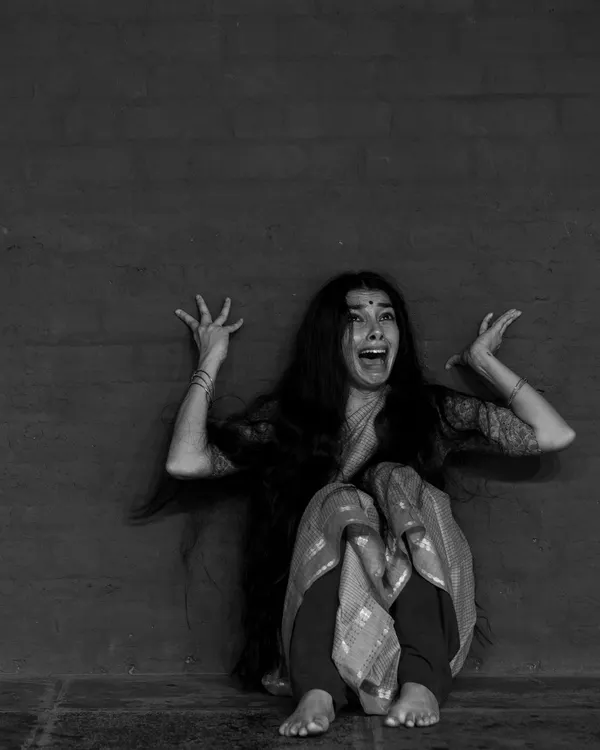
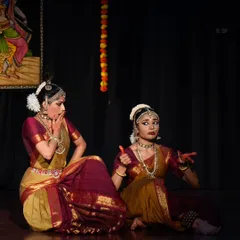
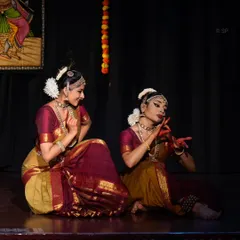
Portraying Yashoda playfully scaring Krishna in a Kannada devaranama. Using abhinaya to tell these treasured stories is one of the most enjoyable parts of being a dancer.
A close-up from a Thodi Varnam, capturing the deep longing of a devotee. Abhinaya is not just about making faces; it's about feeling the emotion from within and letting it flower through your expressions and gestures.
A moment from a Telugu Javali, a piece that is rich in sringara (romantic love) and playful banter. The abhinaya in a Javali is often subtle, suggestive, and full of charm.
This Javali, which I learned during my medical studies, is a testament to the power of abhinaya to transport both the dancer and the audience to another world. It's pure fun and emotion.
A moment of quiet contemplation and love. This close-up from a performance in Delhi shows how abhinaya can convey deep, internal feelings with just a simple gesture and expression.
The eyes are said to be the window to the soul, and in Bharatanatyam, they are a primary tool for abhinaya. This profile shot highlights the expressive power of the eyes in dance.
Offering a flower to the divine. Even a simple act can be filled with layers of meaning and emotion through the art of abhinaya.
The wide-eyed look of surprise and wonder is a key expression in many stories, especially those involving the miracles of gods like Krishna.
A moment of prayerful devotion. Abhinaya allows me to express my own bhakti and connect with the spiritual core of the art form.
About The Art of Abhinaya: Storytelling Through Dance
My abhinaya doesn't just happen on stage; it often starts during my long shifts at the hospital. I mentally choreograph expressions while analyzing pathology slides, sometimes testing a new gaze or hand gesture in a quiet hallway before taking it to the practice room. This habit of finding stillness in a busy day is how I prepare for a performance, ensuring that when I step onto the stage, the emotion isn't just performed, it is genuinely lived.
For me, Abhinaya is the bridge between technical movement and the audience's heart. It is the language of the eyes, the tilt of the head, and the subtle shift in posture that tells a story of longing, devotion, or mischief.
The Process of Expression
When I perform, I rely on the training I received from my guru, Smt. Indira Kadambi. We do not just mimic the story; we embody it. Whether I am portraying the playfulness of Yashoda scaring Krishna with stories of the 'boochi' (monster) or the deep, romantic yearning found in a Telugu Javali, the focus is always on internalizing the feeling before the outward gesture follows. This is why I often share stories from my own life—my zoophobia, my cravings, or the quiet moments of devotion—during my recitals. It makes the ancient stories feel relevant and human.
Why Live Music Matters
The nuances of Abhinaya are best captured when I am in sync with a live orchestra. The sound of the Nattuvangam, the violin, and the Mridangam provides a rhythmic canvas that guides my expressions. When a violinist hits a high note during a piece on separation or love, it triggers a genuine emotional response that recorded music simply cannot replicate. This is why I insist on a 45-minute technical sound check before every event; it allows us to align the audio landscape with the emotional arc of the performance, ensuring that every gesture lands with impact.
If you are planning an event, think of the story you want to tell. Whether it is a traditional piece or a custom thematic production, I am here to help you translate those concepts into a dance that resonates with your guests.
Similar work from other experts
Browse through Curated picks from other experts on mytribe
 29
29
The Art of Abhinaya: Expressive Dance Performances
Abhinaya & Bhava: The Soul of Storytelling
 13
13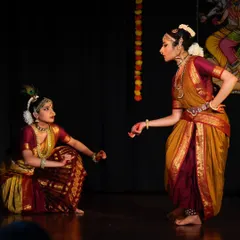
Mythological Storytelling through Bharatanatyam Abhinaya
Mastering Abhinaya and Expressions in Bharatanatyam
Mastering Abhinaya: The Art of Expression in Dance
Master the Art of Abhinaya and Expressive Bharatanatyam
More from Bharatanatyam Performances by Ramya Suresh
More services by Ramya Suresh