Behind the Scenes: My Bharatanatyam Practice and Process
The stage is where I perform, but the studio is where I grow. Here is a look at my daily riyaaz, the disciplined work with my guru, and the grounding reality of preparing for the stage.
There is no feeling like returning to your routine and your basics. After a busy season of shows, going back to class to practice adavus and start from scratch is a humbling and cleansing experience.
Some days the body feels heavy, but you have to push through. This was me practicing a challenging Simhendramadhyama thillana after a long day, and the satisfaction at the end was immense.
Just feeling the joy of dance. This is me practicing my new favorite Saraswati Jathiswaram after class, simply because I love the music and the movement.
Revisiting a Varnam I first performed for my arangetram at 8 years old. It's amazing to see how the body and the understanding of a piece evolve over twenty years.
A quick practice session at home. Even in a simple space, the discipline of dance remains the same. This was a run-through before a performance in Chennai.
Every class is a new process of cleansing and growth. A short video from a regular practice session with my guru, focusing on the fundamentals.
A few clips from rehearsals in our studio. The energy of practice, especially before a show, is a mix of focus, hard work, and excitement.
Rehearsing a beautiful Tanjore Quartet varnam, "Sarasaalanu", at the wonderful practice space of Bharatakalanjali in Chennai. This is my favorite part of the piece.
About Behind the Scenes: My Practice and Process
People often ask me how I manage the demands of my medical career and my passion for Bharatanatyam, but the real secret is simply showing up. I regularly commute 50km through Bangalore traffic just to train at the studio. It is during these hours of riyaaz—away from the applause—that I return to my basics, constantly clearing the slate to refine my technique under my guru, Smt. Indira Kadambi.
The Discipline of Dance
Returning to the classroom is a cleansing experience. Even after years of performing at venues across India, entering the studio with an empty slate is essential for growth. Whether I am preparing for a Margam performance or choreographing a new thematic piece, the process remains the same: I focus on the adavus (basic steps) to ensure the foundation remains strong.
Balancing Science and Art
Many see a contradiction between my work as a pathologist and my life as a dancer, but I find they complement each other. The hospital teaches me precision and high-pressure decision-making, while dance offers a space to process that energy through movement.
What Practice Looks Like
My training sessions often involve:
- Revisiting Foundations: Working on adavus to maintain stamina and clarity.
- Technical Drills: Focusing on complex pieces like the Simhendramadhyama thillana or specific Jathiswarams.
- Mentorship: Regular guidance sessions with Smt. Indira Kadambi at Bharatakalanjali, where we refine not just the movement, but the intent behind the abhinaya (expression).
If you are a student or a fellow artist, you understand that the performance is only the final five percent of the journey. The other ninety-five percent happens here, in the practice space.
Similar work from other experts
Browse through Curated picks from other experts on mytribe
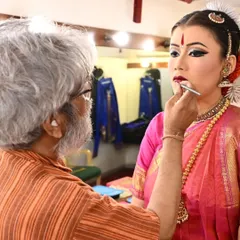
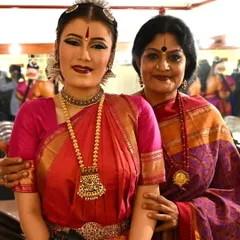
Behind the Scenes of Bharatanatyam Rehearsals
Behind the Art: My Bharatanatyam Journey and Creative Process
Behind the Curtain: Bharatanatyam Practice and Creative Process
Behind the Scenes: Preparation for Bharatanatyam
Behind the Scenes: The Making of a Bharatanatyam Performance
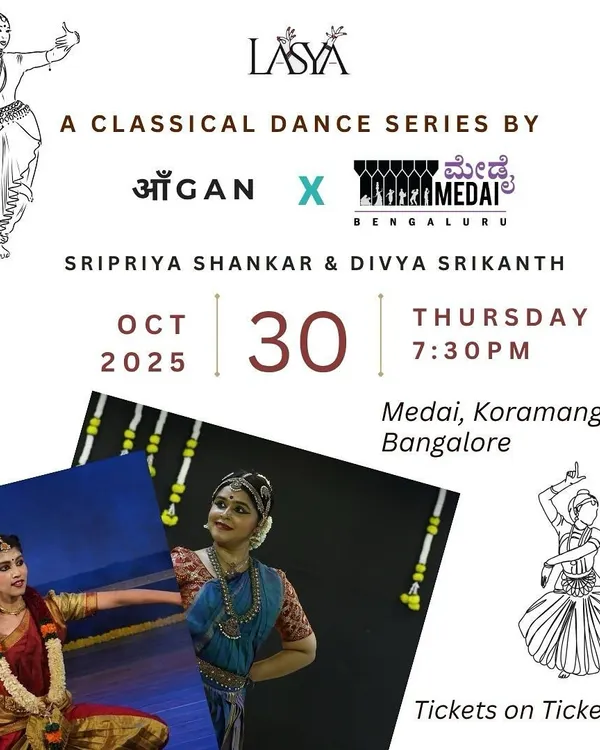 4
4
Behind the Scenes of a Bharatanatyam Performance
More from Bharatanatyam Performances by Ramya Suresh
More services by Ramya Suresh