Bharatanatyam Training: The Discipline of Practice
Step into my studio in HSR Layout, where we trade the noise of the city for the rhythm of the Ghungroo. Whether you are building your foundation or refining your Abhinaya, this is where the rigorous work happens.
In class with a fellow dancer, you can see how we move in sync. This is the result of countless hours of practice and a shared understanding of the rhythm and form, something I foster in my group classes.
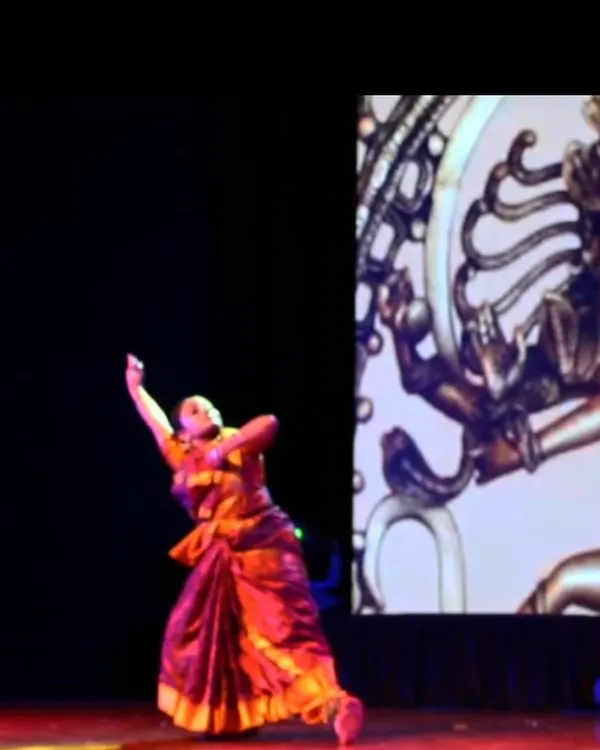
Just for the joy of it. Here I am dancing to a favorite Jathiswaram after class. It’s a piece that focuses on pure dance (Nritta), and practicing it helps refine technique and build stamina.
Revisiting a Varnam I first performed as an 8 year old. Dance is a lifelong journey of learning and rediscovery, and it’s humbling to see how my understanding of a piece has evolved over two decades.
On days when the body feels heavy, you just have to push through. This video shows a practice of a physically demanding Thillana that requires immense core engagement. This is the discipline that dance teaches us.
A morning practice session starting with a Tisra Gathi Alarippu. This piece helps wake up the body and mind, setting the tone for a day of focused training. Every class begins with warm ups and foundational pieces like this.
Nattuvangam, the art of wielding the cymbals and reciting rhythmic syllables, is integral to Bharatanatyam. Here I am practicing rhythmic transitions, a skill that deepens a dancer's understanding of laya (rhythm).
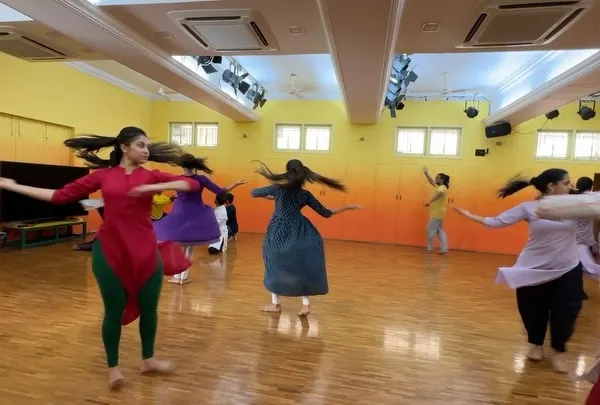
Every class is a cleansing process. This clip shows a simple practice routine in the studio, a space where we shed the outside world and focus purely on the movement and the moment.
About Inside the Studio: Practice and Process
Dance practice here is not just about repetition. Because I balance my life as a pathologist with my work as a dancer, my warm-ups focus on anatomically safe conditioning to prevent injury and correct posture. When you join a session, expect to focus as much on the structural integrity of your Adavus as you do on the grace of your expression.
Our Approach to Training
I believe that every movement must have a purpose. In my HSR Layout studio, classes are limited to 8-12 students so that I can provide individual attention to posture and technique. My teaching methodology, rooted in the Ambalam Arts pedagogy, ensures that students build a solid foundation before moving to complex pieces.
Why Medical-Backed Conditioning?
As a doctor, I see the body as a temple of mechanics. Many dancers struggle with repetitive strain injuries. That is why I integrate warm-ups designed to strengthen the core and align the spine. We start every session with foundational Adavu practice, ensuring your body is ready to execute Nritta with precision.
What to Expect
- Foundations: We begin with Adavu basics to ensure your lines and footwork are clean.
- Depth: Advanced students move into Margam repertoire, including Abhinaya (art of expression) workshops based on the Kalanidhi Narayanan style.
- Discipline: Learning takes patience. Whether we are practicing Talam structures or Nattuvangam, the goal is to develop the focus needed for a full performance.
Frequently Asked Questions
Do you offer online classes? Yes, I provide 1-on-1 private mentorship sessions via video for students who cannot make it to the HSR studio.
I am a beginner. Can I join? Absolutely. Everyone starts from scratch. We focus on building the basics of Slokas and rhythm before moving to complex choreography.
What should I bring? Just your enthusiasm and a willingness to learn. Everything else, from practice techniques to theoretical knowledge, we cover in class.
Similar work from other experts
Browse through Curated picks from other experts on mytribe
Bharatanatyam Training Methodology at Ambalam
Bharatanatyam Training & Studio Practice
Bharatanatyam Classes: Traditional Margam Training
 4
4Classical Bharathanatyam Classes and Training in Bengaluru

Authentic Bharatanatyam Training and Practice
 10
10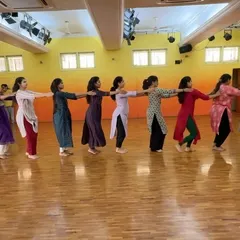
Bharathanatyam and Kathak Dance Training in JP Nagar
More from Bharatanatyam Classes by Ramya Suresh
More services by Ramya Suresh