Therapeutic Yoga & Prop-Assisted Practice
Props aren't just for beginners. Whether you're working through back pain or trying to unlock a deeper inversion, we use ropes, blocks, and the wall to safely find space and alignment.
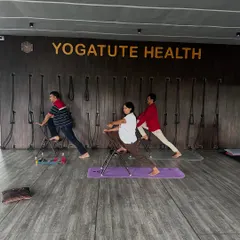
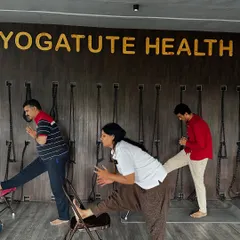
Using the Iyengar rope wall to assist a student in a supported downward-facing dog. This variation allows for deep hamstring stretching and spinal traction without putting pressure on the wrists or shoulders.
This is Niralamba Sirsasana, a supported headstand using the rope wall. It’s a fantastic way to experience the benefits of an inversion, like increased blood flow to the head, while the ropes decompress the spine.
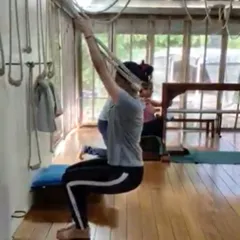
Exploring a deep spinal extension and shoulder flexion using a DIY rope setup at home. This helps prepare the body for advanced backbends by working against gravity.
This is my happy place, hanging upside down. This supported Baddha Konasana in Sirsasana (Bound Angle Pose in Headstand) is deeply relaxing for the hips and lower back.
The simple tools of our therapeutic practice. These ropes, securely fastened, are the key to unlocking a whole new level of release and alignment in the body.
Finding inner silence while hanging in a supported inversion. Reversing the blood flow like this can feel intense at first, but it brings a unique sense of calm and clarity.
A supported headstand variation using the ropes. This allows me to work on alignment and stay in the pose longer, focusing on the breath without straining my neck or shoulders.
Another variation of a supported inversion, this time with legs in Baddha Konasana. This is therapy for the spine, taking gravitational pressure off the disks and creating space between the vertebrae.
Another variation of a supported inversion, this time with legs in Baddha Konasana. This is therapy for the spine, taking gravitational pressure off the disks and creating space between the vertebrae.
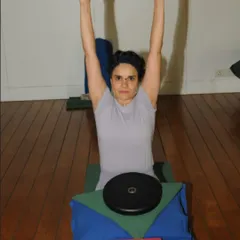
A side-by-side comparison of my Vrischikasana (Scorpion Pose) practice, eleven months apart. The image on the right shows a deeper, more comfortable backbend, a result of consistent, assisted practice.
About Assisted & Therapeutic Yoga: Using Props for Deeper Practice
Props like the rope wall or blocks act like a second pair of hands. They let us target specific tightness in the hips or spine without straining, giving you a chance to hold deep stretches for longer. It is not about making a pose easier, but about making it accessible enough to actually feel the release.
When I started using Iyengar-inspired props, it felt like cheating. Then I realized it was just smart. My body had been through ligament tears and shoulder pops, and I needed to stop fighting gravity and start working with it.
In my therapeutic sessions at the Malleshwaram studio, we use the yoga rope wall to create actual traction. When you are suspended, gravity helps decompress the spine, creating space between the vertebrae that a floor mat simply cannot offer. This is what we call Niralamba Shirshasana or inverted therapy. It helps improve blood flow while letting the muscles stay relatively disengaged, allowing for genuine nervous system rest.
Here is what we often focus on:
- Spinal Decompression: Using bolsters and ropes to take gravitational pressure off the nerve roots and disks. This is essential if you have lower back stiffness.
- Alignment Awareness: We use blocks and belts to help you understand where your bones should be, rather than just forcing the body into a shape that might cause injury.
- Safe Inversions: You don't need to be an expert to go upside down. We use the wall and ropes to support you, so you get the benefits of an inversion without the fear of falling.
My practice is not about looking aesthetic. It is about understanding what you have and working with it. If you have an injury, we work around it. If you are stiff, we create the space. It is a constant conversation between you, me, and the props.
Similar work from other experts
Browse through Curated picks from other experts on mytribe
Prop-Assisted Yoga for Precision and Healing
Prop-Supported Yoga for Safe Alignment and Pain Relief
Prop-Based Assisted Yoga for Deep Healing
Therapeutic Yoga with Props
Rope Wall Yoga for Spinal Decompression
Iyengar Yoga Props & Precision Alignment Techniques
More from Multi-Style Yoga Instruction by Rakshith Setty
More services by Rakshith Setty