Preparatory Seated Postures
Mastering your seat is the first step to mastering your breath. These foundational asanas build the spinal stability and hip openness required for authentic Iyengar practice.
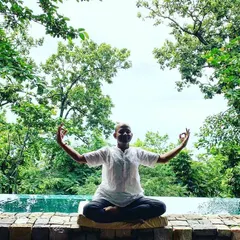
The classic Padmasana, or Lotus Pose. Achieving stillness and correct posture in this asana is a primary step before beginning any yogic breathing techniques.
Gomukhasana, shown here, is a deep stretch for the hips and shoulders. This preparation is vital for sitting comfortably for longer periods during pranayama.
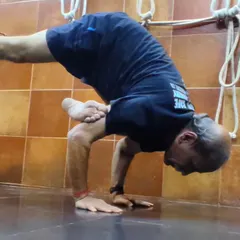
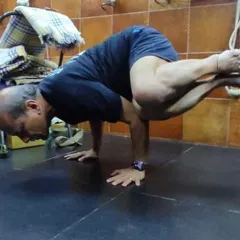
This is Gorakshasana, a balancing seated pose that requires significant hip flexibility. We work on such postures to develop control over the body.
A seated spinal twist, Bharadvajasana, performed with the support of a bolster and a block. Props help in achieving the correct twist, which aids digestion and improves spinal mobility.
Marichasana 1, a seated forward bend and twist. This asana tones the abdominal organs and prepares the spine for deeper movements.
Marichasana 2 involves a half-lotus position, which deepens the stretch in the hips and back. Notice how the bolster provides support to maintain the posture correctly.
Marichasana 3 is a powerful spinal twist. This posture energizes the spine and is an important preparatory pose for advanced pranayama.
About Preparatory Seated Postures
To hold a pose like Marichasana or Padmasana without slouching, you must lift the spine from the base. We use bolsters and blocks not as a crutch, but to give your hips the necessary space to open. When your foundation is solid, your breath flows without restriction, which is essential before you attempt advanced Pranayama.
In my 45 years of practice, I have seen many students rush into complex movements, forgetting that the most profound work happens when you are still. These seated postures are the building blocks of the Iyengar method. They are not merely resting positions. They are technical asanas designed to align the pelvis, release the lower back, and create the thoracic expansion required for controlled breathing.
Whether we are working on Gomukhasana to open the shoulders or using a block in Bharadvajasana to achieve a clean twist, the goal remains the same: precision. If your hips are tight, your lower back will compensate. If your chest is collapsed, your lungs cannot expand. By learning to use simple props—like a folded blanket to tilt the pelvis or a bolster for height—you teach your body to find balance. This is the path shown by my Guruji, Dr. B.K.S. Iyengar. Practice these diligently, and you will find that your body becomes a stable vessel for the breath.
Similar work from other experts
Browse through Curated picks from other experts on mytribe
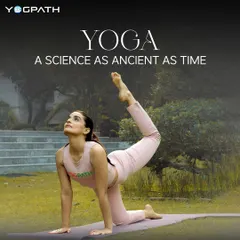
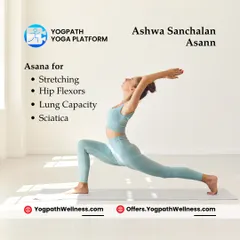
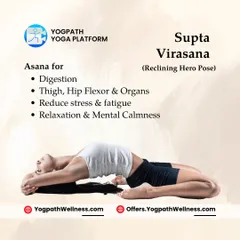
Foundational Asanas for a Strong Practice
Foundational Yoga Poses and Techniques
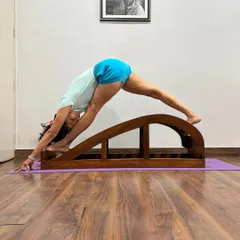
Forward Bends, Twists & Standing Poses
Foundational Yoga Asanas for Real Strength and Stability
 5
5
Asana Practice for Balance and Mindfulness
 11
11
Authentic Iyengar Asana Practice
More from Online Pranayama Classes by Madhava R
More services by Madhava R