Self-Care & Recovery Techniques for Better Movement
Recovery is not just about rest, it is about how you prep your muscles. Learn to use the right tools to ease tension and move without pain.
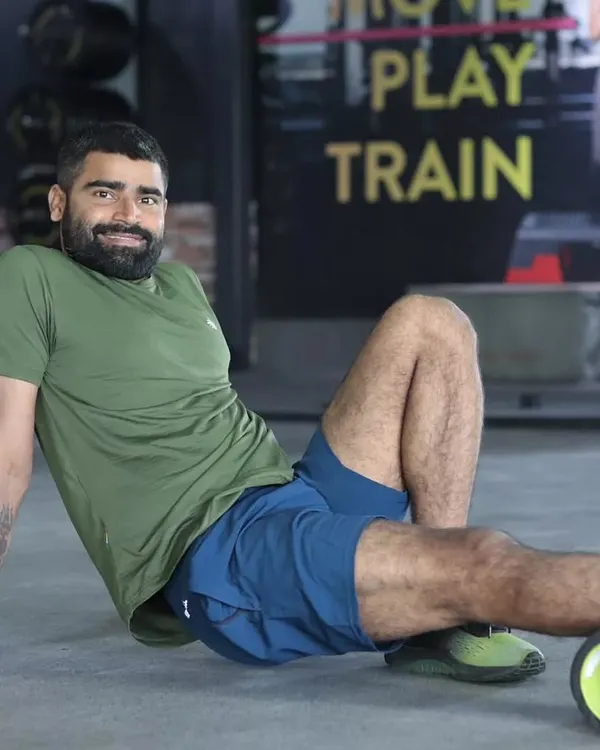
Not all foam rollers are the same. In this video, I explain the differences between beginner, intermediate, textured, and advanced rollers so you can choose the right tool for your needs, whether you need a gentle massage or deep tissue release.
Using a foam roller is a key part of my pre-habilitation and recovery protocols. It helps relieve muscle tightness, improve flexibility, and enhance joint mobility. Here, I demonstrate how to use one to improve thoracic extension and relieve back stiffness.
About Self-Care & Recovery Techniques
Picking the right roller is the first step to effective recovery, but most people grab the first one they see. Beginner-friendly foam rollers provide a gentle massage, while textured or high-density rollers are designed to break up deep muscle knots. Using the wrong tool can cause bruising or irritate sensitive areas, so it helps to know which density matches your current recovery needs.
Muscle recovery is often misunderstood as just taking a day off. Real recovery involves actively addressing the micro-trauma caused by workouts. When you use tools like foam rollers, lacrosse balls, or hand rollers, you are performing self-myofascial release. This technique helps increase blood flow to tight tissues and signals your nervous system to down-regulate, reducing muscle guarding.
We emphasize pre-habilitation before rehabilitation. By incorporating five to ten minutes of rolling before your session, you can improve thoracic extension and spinal mobility. This prep work is not just for heavy lifters. If you sit at a desk all day in Bangalore, your upper back and hips are likely locked up. A simple session with a foam roller can open up your chest, making your squat or overhead press safer and more efficient.
Not every muscle group needs the same intensity. We often see clients using advanced textured rollers on sensitive areas like the IT band, which can lead to inflammation. Start with softer, smooth rollers to map out trigger points. Once you identify a spot that needs attention, you can progress to firmer tools. If you are unsure about your form, our physios are on the gym floor to help you dial in the pressure so you get the benefits without the pain.
Similar work from other experts
Browse through Curated picks from other experts on mytribe
 5
5

Master Your Flexibility & Recovery

Recovery and Mobility Exercises for Better Performance
Mobility and Joint Recovery Training
Running Recovery & Injury Prevention Sessions
Recovery & Mindful Movement Workouts for Women
Mobility, Recovery & Yoga to Build Resilient Athletes
More from Physiotherapy & Rehabilitation by Lotus Sports and Fitness
More services by Lotus Sports and Fitness