Joyful Music and Movement Classes for Toddlers
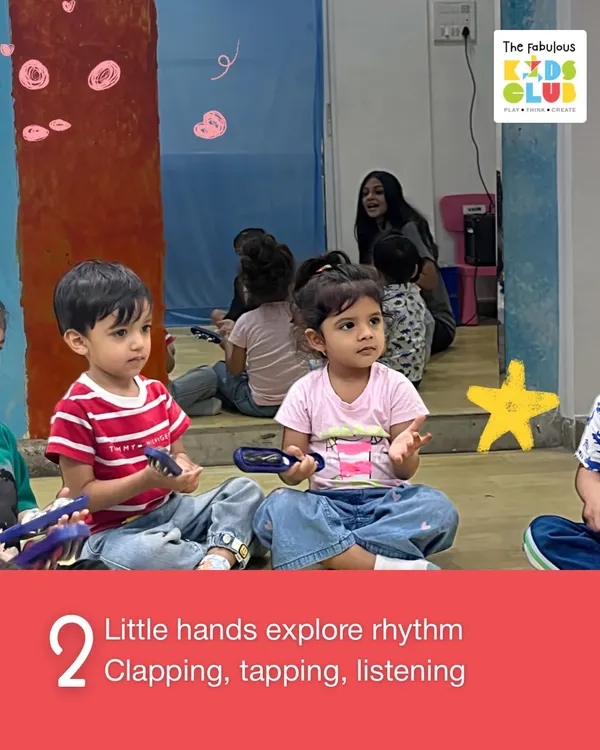
Movement is the primary language of toddlers. In our music sessions, we use rhythmic activities and props to help your child internalize the beat, making Indian classical music feel natural and fun.
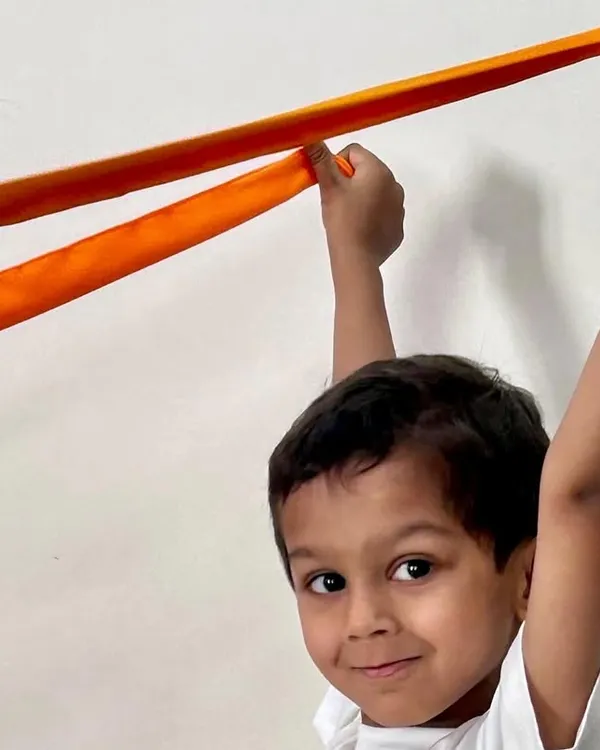
There is so much joy in free expression. We use props like these flowing red ribbons to help children connect with the music through movement, encouraging them to dance and feel the rhythm in their own unique way.
From colorful flowers to dandiya sticks, we love using props to make music and movement even more engaging. These activities help develop motor skills and a physical understanding of different tempos and beats in Indian music.
We love celebrating our culture together. Here, our little ustaads are moving to the classic song 'Aane wala pal' while waving the Indian flag to celebrate Independence Day, blending music, movement, and national pride.
About Joyful Music & Movement
When you see the children moving with our rhythm sticks or colorful ribbons, it looks like simple play. This is actually our intentional method. We use these physical props to teach coordination alongside musical concepts like tempo and rhythm, helping your child feel the beat of Indian classical music in their bodies long before they need to understand the formal theory.
Our approach to music education is physical because children between 6 months and 5 years learn best when they are active, not sitting still. By integrating movement into every session, we help children intuitively grasp the difference between various taals (rhythms) and raags (melodic frameworks) through physical expression.
Each class involves:
- Prop-based Learning: We use Bandhani scarves, rhythm sticks, and flowers to visualize tempo. If the music speeds up, the movement speeds up. This connection solidifies their understanding of musical structure.
- Cultural Integration: We do not just play simple nursery rhymes. We mix classical compositions with songs like 'Aane wala pal', exposing toddlers to diverse melodies and lyrics while they dance.
- Cognitive Development: Early exposure to rhythmic movement supports motor skill development and self-regulation.
Whether it is a festive celebration or a regular jam session, our goal is to make the classroom a space of pure joy. You will see your child gain confidence as they learn to follow a beat, mimic simple hand movements, and eventually, lead their own little dance circles. This is not about strict discipline; it is about building a foundation of rhythm that lasts a lifetime.
Similar work from other experts
Browse through Curated picks from other experts on mytribe
Playful Beginnings: Music Classes for Toddlers & Parents in Mumbai
 53
53Early Music Education for Children in Mumbai
Sing, Dance, and Play Music Classes for Toddlers
Joyful Movement & Dance Classes for Kids
 12
12
Music and Movement Programs for Kids
Music Classes for Kids: Playful Learning in Ghatkopar
More from Early Childhood Indian Music & Movement by Little Ustaads