Yogic Philosophy and Guiding Principles
Yoga is a discipline of the mind, not merely a physical exercise. Our teachings are rooted in traditional texts and a century of research, helping you move beyond basic postures into true self-awareness and mental stability.
Progress does not require abandoning tradition, but understanding it deeply. This graphic illustrates my philosophy of combining ancient wisdom with modern inquiry to keep the practice of yoga authentic and relevant.
This post explains Kriya Yoga from the Yoga Sutras, which involves discipline, self-study, and devotion. It includes a practical tip to observe a half-day of silence (Mauna) to quiet the mind and reduce negative thoughts.
A teaching from the Bhagavad Gita on performing duties without attachment to the results. This principle of Nishkama Karma is central to my philosophy, encouraging action guided by purpose, not expectation.
This graphic shares a verse from the Bhagavad Gita, explaining how a mind that follows the senses can be led astray. It is a core teaching on the importance of mental discipline and sense control (Pratyahara).
An explanation of the mystic syllable OM (Pranava) as described in the Yoga Sutras. This post details why chanting Om is a powerful practice for organizing attention, calming the nervous system, and centering awareness.
About Our Yogic Philosophy: Guiding Principles
Our application of philosophy is not abstract. In our Mumbai centre, we teach the Yoga Sutras and Bhagavad Gita not as historical documents, but as practical frameworks for mental discipline. When we discuss principles like Nishkama Karma or Pratyahara, we explain them through anatomy and nervous system regulation, ensuring you understand exactly how these ancient concepts stabilize the mind in your daily routine.
Tradition Informed by Investigation
At Kaivalyadhama, our foundation rests on a simple yet rigorous premise: tradition does not need to be abandoned to be understood. Since 1924, we have approached yoga by respecting classical texts while asking modern questions about breath, posture, and mental health. This dual focus ensures that our practice remains authentic while being relevant to the lives of contemporary practitioners.
The Science of Practice
We treat the Yoga Sutras and other foundational texts as blueprints for physiological and psychological well-being. Whether it is Kriya Yoga, which emphasizes self-study and discipline, or the practice of Mauna to quiet mental noise, our approach is structured to be measurable and effective. We do not just show you how to perform an asana; we explain the mechanism behind it—how it impacts the nervous system and influences mental clarity.
Your Path to Mastery
For students and serious practitioners, this philosophical grounding is the difference between learning a routine and mastering a way of life. By integrating these guiding principles into our certificate courses, diploma programs, and therapy sessions in Mumbai, we ensure that you are equipped with the knowledge to teach and practice responsibly. If you are looking to deepen your understanding of yoga beyond the surface level, our classrooms offer a space for disciplined study and intellectual rigour.
Similar work from other experts
Browse through Curated picks from other experts on mytribe
The Logical Path to Understanding Yoga
The Philosophy of Yoga: Beyond the Asanas
The Philosophy of Yoga: Ancient Wisdom for Modern Life
The Philosophy of Yoga: Going Beyond the Mat
 11
11
Yoga Philosophy and Reflections on Practice
 9
9
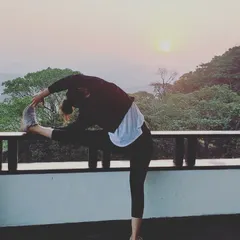

The Deeper Practice: Yoga Philosophy
More from Yoga Teacher Training & Certification by Kaivalyadhama
More services by Kaivalyadhama