Karate Fundamentals and Basic Training
Karate is a way of life. Learn the foundation of Okinawa Karate Do in my Kudlu dojo, focusing on stances, discipline, and practical self-defense techniques.
This chart shows the basic punches (Tsuki) and kicks (Geri) that form the foundation of our striking techniques. We practice these every day.
Stances, or Dachi, are the foundation of all movement in karate. This guide shows the names and forms of the fundamental stances we teach.
Karate training is divided into two main parts: Kata (forms) and Kumite (sparring). Both are essential for developing into a complete martial artist.
Discipline starts with a consistent routine. This is a sample workout for beginners to build strength, stamina, and technique.
The belt represents a student's journey and progress. This chart explains the meaning behind each color, from the beginning seed to the darkness beyond the sun.
Safety is the first priority in Kumite. This guide shows the required protective gear and the legal target areas for competition.
To ensure safety and sportsmanship, there are strict rules in Kumite. This shows some of the prohibited moves, such as excessive contact and grabbing.
The bow, or Rei, is a sign of respect that we do at the beginning and end of every class. This shows the correct way to bow to your instructor and fellow students.
Learning to tie your belt correctly is one of the first things a new student learns. It is a symbol of your preparation and readiness to train.
About Karate Fundamentals
You will not start sparring on your first day. We begin with Kihon—the essential foundation of stances and strikes. I spend our sessions correcting your posture, balance, and breathing so your body builds the correct muscle memory long before you attempt more advanced forms like Kata or competitive Kumite. We focus on discipline and repetition because, as I always say, practice makes man perfect.
Starting karate is a commitment, not a hobby. When you join my fundamentals program, you are stepping into a traditional dojo environment where discipline is the first lesson.
Why Stances (Dachi) are Key
Many beginners want to jump straight to sparring. That is a mistake. Without a solid stance, you have no balance and no power. We spend significant time on Dachi training, ensuring your center of gravity is low and stable. Whether it is Heiko-Dachi or Kokutsu-Dachi, these positions are the bedrock of your self-defense capabilities.
The Training Routine
My classes follow a structured path. We begin with a warm-up—pushups, squats, and wind sprints—to prepare your body. Then, we move to Kihon. You will repeat punches and blocks hundreds of times. This is the method. Your body must remember the movement before your mind even processes it.
What You Can Expect
- Personal Correction: I watch every student. If your elbow is wrong or your posture is weak, I will correct it.
- Safety First: We follow strict etiquette. You learn to bow (Rei) correctly and treat your training partners with respect.
- Gradual Progression: You start as a beginner. As you master the forms (Kata) and techniques, you will earn your belt. The belt system is not just a status symbol; it is a map of your progress from the beginning to advanced knowledge.
If you are looking for a place to build real confidence in Bangalore, join us in Kudlu. We work hard, we sweat, and we improve every single session. Oss.
Similar work from other experts
Browse through Curated picks from other experts on mytribe
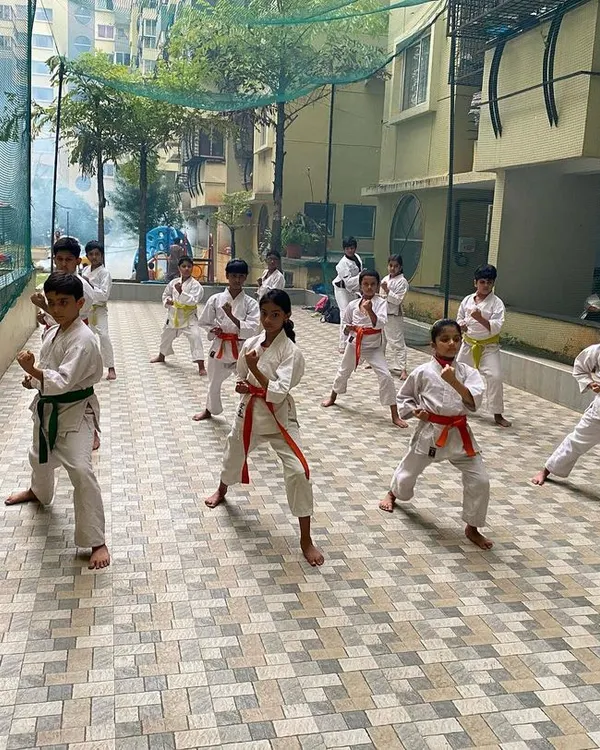
Karate Foundation Training: Kata and Martial Arts Drills
 16
16
Mastering Kihon: The Foundation of Shotokan Karate
Martial Arts Training at the Dojo
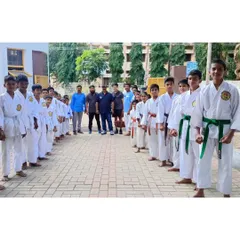
Shorin-ryu Karate: The Foundation
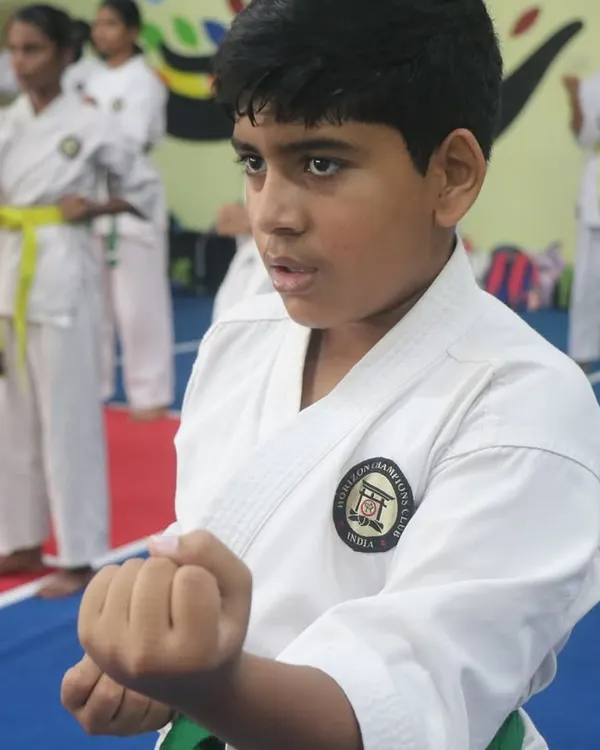 13
13
Mastering Kihon and Kata: Karate Fundamentals in Bengaluru
Master Kata and Kihon: The Foundation of Kyokushin Karate
More from Karate Training by GD Sharma
More services by GD Sharma