Scientific Assessment & Injury Prevention for Athletes
Stop guessing your fitness needs. We use sports science and biomechanical screening to identify your body's weak points before you lift a single weight.
We do not guess, we test. Here I am conducting fitness tests for cricketers, including medicine ball throws and pull-ups, to get objective data that informs our training program.
This is what I call Advanced CAPE. These exercises, performed before the main workout, include core stabilization, mobility work, and muscle activation to prevent injury and improve performance.
A look at advanced prehab exercises for cricketers. Using resistance bands in split squat and lunge variations helps to correct muscle imbalances and improve neuromuscular control.
A proper warm-up is specific to your game. Here, I am leading a team through a dynamic warm-up that includes jogging, mobility drills, and activation exercises to prepare them for the session ahead.
The work does not stop. Here I am on the field using a foam roller on my IT band as part of my own recovery and prehab routine.
Activating the body before a session is crucial. A simple bodyweight squat is an effective way to warm up the lower body and prepare for more intense work.
A kneeling hip flexor stretch is a key part of my warm-up routine. Keeping the hips mobile is essential for preventing lower back pain and improving running mechanics.
This video details the benefits of CAPE, which stands for Core, Accessory, and Prehab Exercises. These movements prevent injury, develop core strength, and improve stability and mobility.
A closer look at a resistance band exercise for prehab. This movement targets stability in the hips and core while in a lunge position, a common pattern in many sports.
About Scientific Assessment & Injury Prevention
We start every partnership with a 90-minute diagnostic session. Using the Functional Movement Screen (FMS), I pinpoint asymmetries in your hips, spine, and ankles that could sideline you mid-season. We then build your training roadmap around fixing these specific gaps, rather than just adding weight to a bar. It is the only way to ensure your gym work actually translates to the ground.
Training for a sport is different from training to look fit. In cricket and other rotational sports, if your foundation is shaky, your performance suffers. My approach to injury prevention relies on the CAPE system: Core, Accessory, and Prehab Exercises.
These are not just warm-ups. They are foundational movements designed to mobilise, activate, and stabilise your body. Here is how we break it down:
- Why we test: If you have limited thoracic mobility or tight hip flexors, your batting or bowling velocity will suffer. We use vertical jumps, broad jumps, and biomechanical video analysis to get objective data. We do not guess.
- The process: We assess your history of injuries, screen your movement patterns, and conduct capacity testing. This gives us a baseline to measure progress throughout your season.
- Why it works: Many athletes train hard but train the wrong things. By identifying whether you need better neuro-motor control or raw explosive power, we stop wasting time on generic gym templates.
Whether you are a state-level cricketer or a recreational athlete, the goal remains the same: translate your gym strength into ground performance. We train with a purpose, and that starts with understanding exactly how you move.
Similar work from other experts
Browse through Curated picks from other experts on mytribe
 8
8Scientific Biomechanical Assessment and Athlete Screening
 4
4

Injury Prevention & Medical Assessment Programs
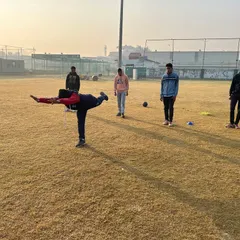
Peak Cricket Fitness & Injury Prevention Programs
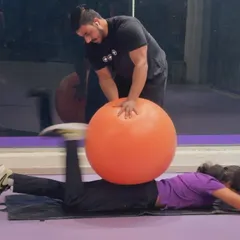
Injury Prevention & Recovery Training for Cricketers
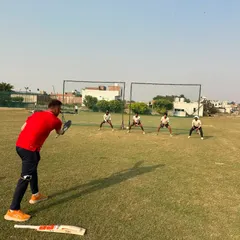
Athlete Conditioning & Injury Prevention for Cricketers
Injury Prevention & Recovery
More from Strength & Conditioning for Athletes by Gaurav Kaushik
More services by Gaurav Kaushik