The Joy of the Harvest: Growing Organic Vegetables at Home
There is nothing like the crunch of a cucumber or the taste of fresh palak picked straight from your own balcony. We turn your urban space into a thriving food source, so you can stop buying and start harvesting.
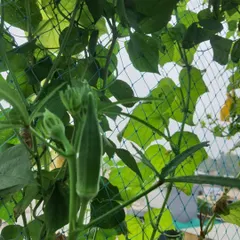
Fresh okra, or bhindi, growing perfectly at a client's farm. This is a staple in Indian kitchens, and growing it yourself ensures it's completely chemical-free.
A hand holding a freshly picked snake gourd, or chichinda. Growing your own vegetables allows you to harvest them at the peak of their freshness and flavor.
A healthy sponge gourd, also known as chikni tori, thriving on the vine. These climbing plants are perfect for urban gardens with vertical space.
A butternut squash ripening on the vine at a client's farm. It's incredibly rewarding to grow more exotic vegetables right in your own backyard.
A young green brinjal, or hara baigan, growing on a healthy plant. Homegrown brinjals have a superior taste and texture compared to store-bought ones.
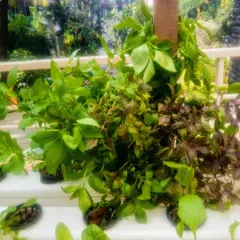
A lush bed of Kalmi Saag, also known as water spinach. Growing your own leafy greens ensures you have a constant supply of fresh, nutritious food for your meals.
The ultimate goal: a bag full of fresh, organic produce that you've grown yourself. This image represents the principle of "Grow what you eat, eat what you grow."
When you grow your own food, you know exactly what you're eating. It's free from harmful chemicals, pesticides, and preservatives because you control the entire process.
Food harvested straight from your garden is fresher and more nutritious. It retains more vitamins and minerals, and the taste is incomparably better than store-bought alternatives.
Growing your own food is good for the planet. It reduces your carbon footprint by cutting down on food miles, packaging waste, and the impact of industrial farming.
About The Joy of the Harvest
A common worry is the 'all at once' harvest, where you suddenly have more vegetables than you can eat. We manage this through succession planting, staggering your crop cycles so you have a steady, manageable supply of fresh greens every week, rather than a single, overwhelming harvest that leaves your fridge overflowing.
From Seed to Salad
Growing your own food is about more than just the final harvest; it is about knowing exactly what went into your soil. When we set up your kitchen garden, we focus on the entire lifecycle of your plants, from the initial mitti mix to the final pluck.
Why Your Garden Needs a Plan
We don't just dump soil in a pot. Our process involves:
- Sunlight Analysis: Mapping out your balcony or terrace to place sun-loving crops like tomatoes and peppers in the right spots.
- Soil Health: Using proprietary blends of coco-peat, vermicompost, and neem cake to ensure your plants have the nutrients they need to fruit, not just grow leaves.
- Pest Management: We teach you natural, chemical-free ways to handle pests, using neem oil and companion planting so you never have to worry about toxic sprays on your bhindi or brinjal.
What You Can Grow in Delhi-NCR
Even in the city, you would be surprised at the abundance you can achieve. We help you set up crops suited to the local climate:
- Leafy Greens: Palak, Methi, and Kalmi Saag thrive almost year-round.
- Climbers: Gourd varieties like Chichinda (Snake Gourd) and Chikni Tori (Sponge Gourd) are perfect for vertical spaces.
- Essentials: Fresh tomatoes, chilies, and herbs like pudina are staples we prioritize in every balcony setup.
Our Commitment to Your Harvest
We stick around. Our monthly maintenance visits include succession planting and expert health checks to diagnose nutrient deficiencies or pest issues early. Whether you are a total beginner or looking to expand your existing garden, we ensure your space works as hard as you do to put food on your table.
Similar work from other experts
Browse through Curated picks from other experts on mytribe
 21
21

Bountiful Harvests: Growing Your Own Organic Food
Vertical Vegetable Garden Harvest: Real Results from Home

Growing Your Own Organic Vegetable Garden at Home
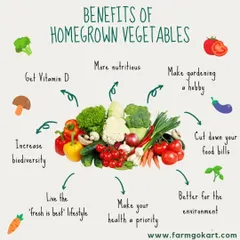

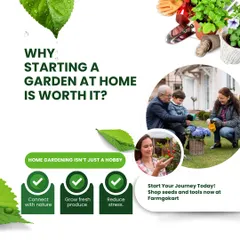
The Joy and Benefits of Home Gardening
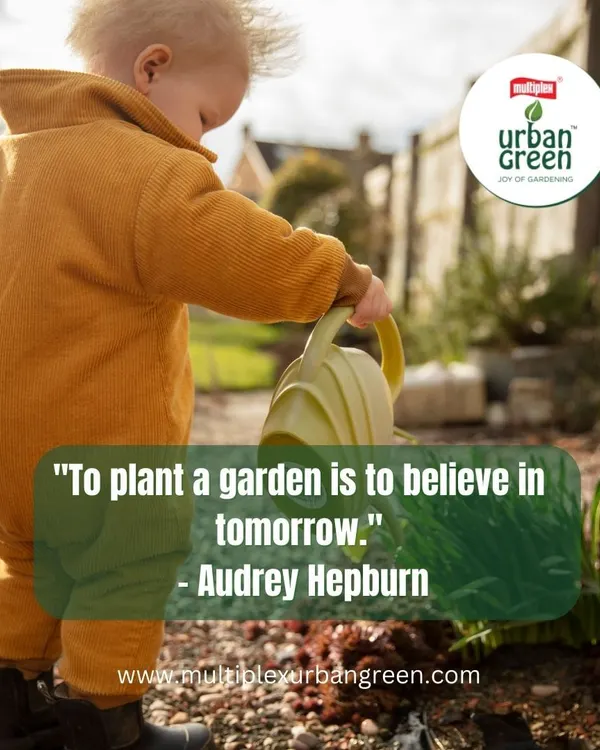 14
14
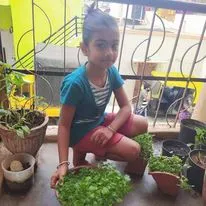
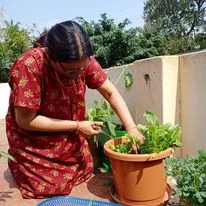
Growing Food Together: The Joy of Urban Gardening
 9
9

Your Future Harvest: Grow Pesticide-Free Greens at Home
More from Urban Gardening & Landscaping by Edible Routes
More services by Edible Routes