Understanding Vitiligo: A Visual Guide to Symptoms
Vitiligo looks different on everyone, from small spots to larger patches. Dosto, remember that these patches are treatable, and identifying your specific pattern early makes a big difference in the recovery process.
This patient has Vitiligo patches on the face, an area that can cause a lot of stress. My treatment focuses on carefully restoring pigment to these visible areas.
The hands and fingertips are common but challenging areas for Vitiligo treatment because the skin is different. I use a combination of therapies and sometimes surgery for these spots.
This image shows extensive Vitiligo, or safed daag, covering large areas of the legs. My first goal in such cases is to immediately stop the condition from spreading further.
Here you can see Vitiligo patches on the arm and chest area. My treatment plan is designed to halt the progression and begin the process of repigmentation.
White patches can also appear on the neck and behind the ears. Early intervention is key to managing leucoderma in these areas effectively.
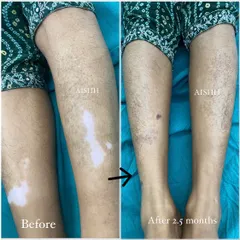
This is another example of Vitiligo vulgaris on the legs. My treatment is designed to be economical and successful, using advanced lasers and UVB therapy.
This is a case of Leucoderma Vitiligo vulgaris on the lower leg. I have a solution for such conditions, having cured over 5000 patients with a systematic approach.
About Patient Gallery: Understanding Different Cases
Dosto, seeing these images might cause anxiety, but remember that vitiligo is not a systemic disease inside your body. It is a skin condition that we can manage together. Whether the patches are on the face, hands, or legs, the key to success is stabilizing the condition to stop further spread before we focus on repigmentation. Please do not waste time or money on tattoos or 'skin-colour' inks; these often block real medical treatments and can cause permanent damage to the surrounding skin.
Why Recognizing Your Pattern Matters
Vitiligo, or safed daag, presents uniquely in every person. Some might see tiny spots on fingertips, while others might notice larger patches on the face or limbs. I have curated these images to show that there is no standard look for this condition. When you come to the clinic, my first step is never to panic, but to assess the stability of the patches.
My Treatment Philosophy
I do not believe in aggressive, expensive methods that promise overnight results. My approach is simple:
- Stabilization: Using allopathic medication to stop the spread. This is the most critical phase for any new patient.
- Repigmentation: Once stable, we use UVB therapy or Excimer laser to wake up your pigment cells.
- Surgical Grafting: Reserved for stable patches on tough areas like lips or fingertips where light therapy might take longer.
A Word on Safety
Please be careful with your skin. Many patients come to me after trying home remedies, random tattoos, or ink to cover patches. These often cause chemical burns or permanent pigmentation issues that make future medical treatment much harder. If you see white patches spreading, see a board-certified dermatologist immediately. Whether you live in Delhi or elsewhere, you can share photos with me, and we can discuss the right path forward.
Similar work from other experts
Browse through Curated picks from other experts on mytribe
 6
6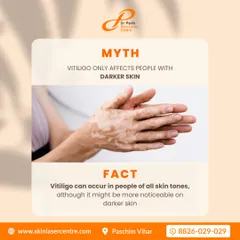
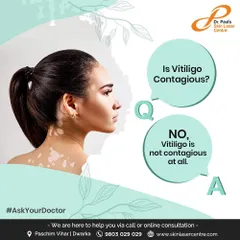

Understanding Vitiligo: Separating Facts from Myths
 5
5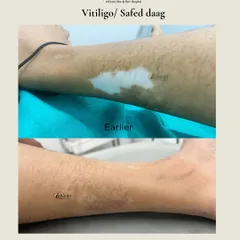
Vitiligo and Safed Daag Treatment in Delhi
 4
4
Specialized Vitiligo Treatments in Delhi
Understanding and Treating Pigmentation on Indian Skin
 17
17
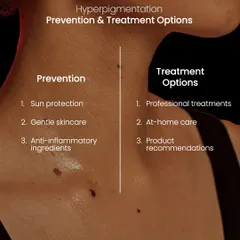
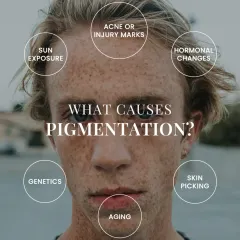
Understanding Your Pigmentation and Dark Spots
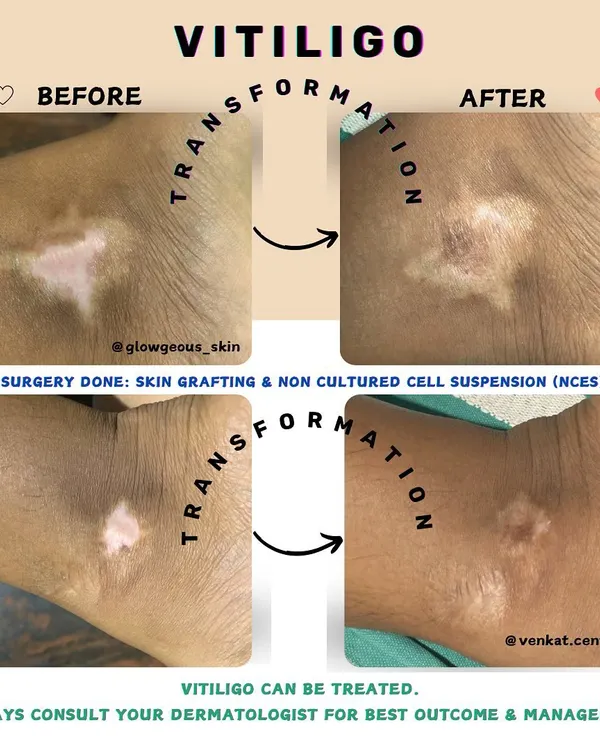 14
14Vitiligo Treatment and Advanced Scar Revision
More from Vitiligo Treatment by Sandesh Gupta