Understanding Vitiligo: Separating Facts from Myths
Vitiligo is a complex autoimmune condition, and there is a lot of misinformation that causes unnecessary worry. Let's look at the science, clear up the common myths, and discuss real paths to treatment.
A common myth is that certain foods cause vitiligo. The fact is, vitiligo is an autoimmune condition and is not related to your diet. Understanding the science behind the condition is the first step toward effective management.
Vitiligo can occur in people of all skin tones. While the contrast may make it more noticeable on darker skin, it is a condition that affects individuals from every background.
I am often asked if vitiligo is contagious. The answer is simple: no, it is not contagious at all. It is an autoimmune condition, not an infection, and it cannot be spread through any form of contact.
Let's clear up another myth. Vitiligo is a completely separate condition and is not related to skin cancer, leprosy, or albinism. It is important to have an accurate diagnosis from a dermatologist.
Vitiligo does not spread from person to person like the flu or a common cold. Knowing and sharing this fact helps end the social stigma that many people with vitiligo face.
This video highlights some of the most important facts about vitiligo. It can happen to anyone, it is not caused by food, and while there is no permanent cure, it is a treatable condition.
About Understanding Vitiligo: Facts vs. Myths
Most people walk into my clinic having read incorrect information online, which often causes more stress than the condition itself. Before we discuss any surgical procedure or laser treatment, we must clear the slate with an accurate diagnosis using Wood's Lamp. The first step isn't just treating the skin, but verifying whether your patches are stable or progressive, which dictates every part of your recovery plan.
Debunking Common Myths
There is no scientific link between your diet and vitiligo. You cannot cause or cure this condition by eating certain foods. Furthermore, vitiligo is an autoimmune condition where the body mistakenly targets melanin-producing cells. It is not contagious, it cannot be spread through touch or sharing food, and it is completely unrelated to skin cancer or leprosy.
The Clinical Approach
When you visit my clinic in Paschim Vihar or my practice at Manipal Hospital, Dwarka, we move away from guesswork. My process is structured:
- Diagnosis & Mapping: We use Dermoscopy and Wood's Lamp to define the extent of pigment loss.
- Stability Check: We determine if the disease is active (spreading) or stable. This is the most critical decision point.
- Tailored Treatment:
- For active vitiligo, we focus on medical management to stabilize your immune system.
- For stable patches, we look at interventions like melanocyte cell transplantation, excimer laser, or micro-needling to restore color.
Why Accuracy Matters
Many patients arrive after years of trying home remedies that do nothing. My role is to help you understand your skin type and your specific health history so we don't waste time on treatments that won't work for you. Vitiligo is not something you have to hide, but it is a condition that requires a professional, evidence-based roadmap.
Similar work from other experts
Browse through Curated picks from other experts on mytribe
 7
7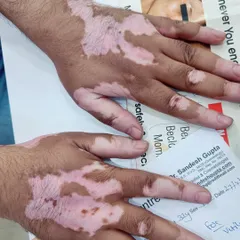
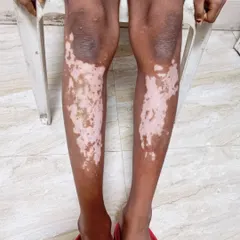
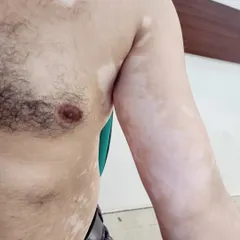
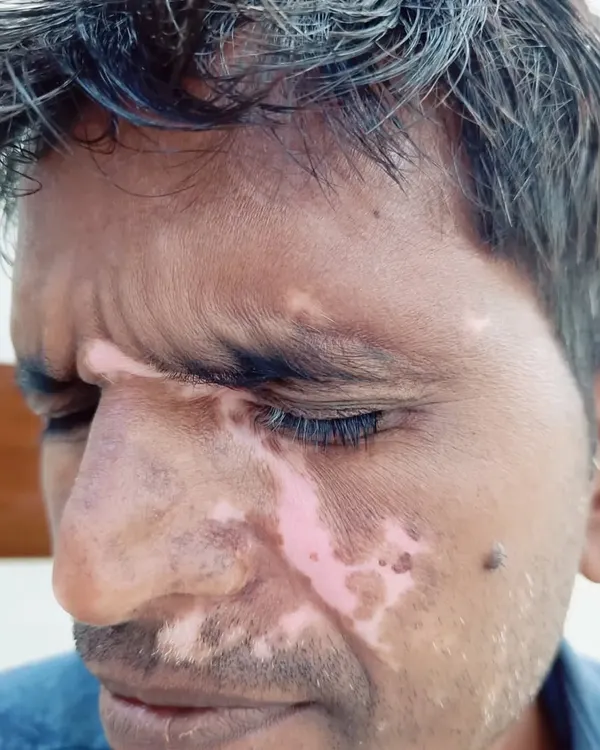
Understanding Vitiligo: A Visual Guide to Symptoms
 5
5
Vitiligo and Safed Daag Treatment in Delhi
 4
4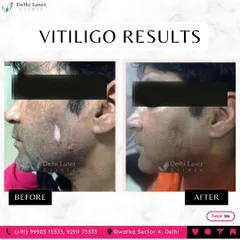
Specialized Vitiligo Treatments in Delhi
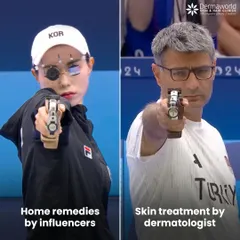
Expert Dermatologist Advice: Separating Skin Facts from Myths
Expert Dermatologist Advice & Skincare Education
Expert Skincare Advice: Debunking Myths with Science
More from Vitiligo Treatment by Munish Paul