Step-by-Step Vitiligo Treatment Plan
Vitiligo is an autoimmune condition, not a permanent end. My treatment focuses on three clear phases: halting the spread, restoring pigment with light therapy, and surgical grafting for stubborn areas.
Dosto, Vitiligo is an autoimmune disorder, not a dangerous disease. In this video, I explain how my treatment works: we first control the spread with medicine, then use UVB therapy to bring back colour, and finally, use minor surgery for difficult areas.
This is a short video of a young patient undergoing excimer laser therapy at my clinic. The procedure is safe, non-invasive, and a key part of my treatment for bringing colour back to the white patches, even for children.
For stable white patches that don't respond to other treatments, I perform a minor surgical procedure called punch grafting. I take tiny pieces of your normal skin and place them on the white areas to help repigment stubborn spots like lips or fingertips.
My clinic offers a complete range of Vitiligo treatments under one roof. This includes medical therapy to stop the spread, phototherapy and excimer laser to restore colour, and vitiligo surgery for stable patches.
Surgery is not for everyone. I only recommend a surgical treatment like grafting when the Vitiligo has been stable for at least one year, with no new patches or spreading. This ensures the best possible outcome.
About Our Treatment Approach: A Step-by-Step Guide
We start with a Wood’s lamp exam to determine if your Vitiligo is active or stable. If it is active, we prioritize allopathic medication to stop the spread before moving to phototherapy. For stubborn, static patches on areas like lips or fingertips, we only recommend minor punch grafting once you have been stable for over a year.
My Treatment Philosophy
Vitiligo can impact your confidence, but it is not a dangerous disease. My goal is simple: halt the progression and restore your natural pigment. I do not believe in masking the issue with tattoos or skin inks, which can block actual treatment.
Phase 1: Stabilization
Everything begins with the diagnosis. We check your Vitiligo activity level. If the disease is spreading, I prescribe allopathic immunomodulators to calm the autoimmune response. This stops new patches from forming. There is no major hassle involved here, just a consistent plan.
Phase 2: Repigmentation
Once stable, we need to wake up your pigment cells. We use clinical phototherapy, specifically NBUVB chambers or Excimer laser sessions. Most patients require 8-12 sessions per month. If you live far from my Krishna Nagar clinic, I can guide you on the safe use of a portable UVB machine for home therapy.
Phase 3: Surgical Grafting
If you have stubborn white patches that have remained unchanged for at least one year, surgery is an option. I perform minor punch grafting—a procedure where I take tiny pieces of healthy skin and place them on the white areas. This is a day-care procedure, and the graft uptake is assessed after one week.
Remember, no two cases are alike. My approach is tailored to your skin type and the specific location of your patches.
Similar work from other experts
Browse through Curated picks from other experts on mytribe

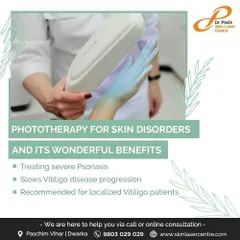
Advanced Vitiligo Treatments and Procedures
 4
4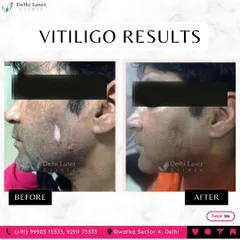
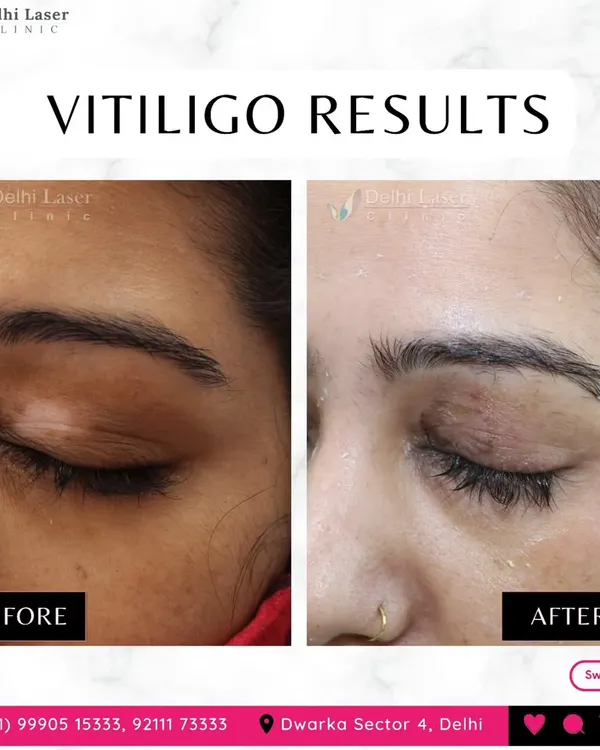
Specialized Vitiligo Treatments in Delhi
 5
5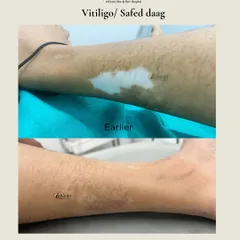
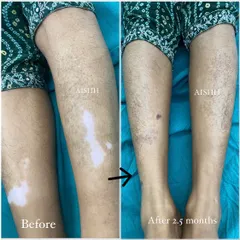
Vitiligo and Safed Daag Treatment in Delhi
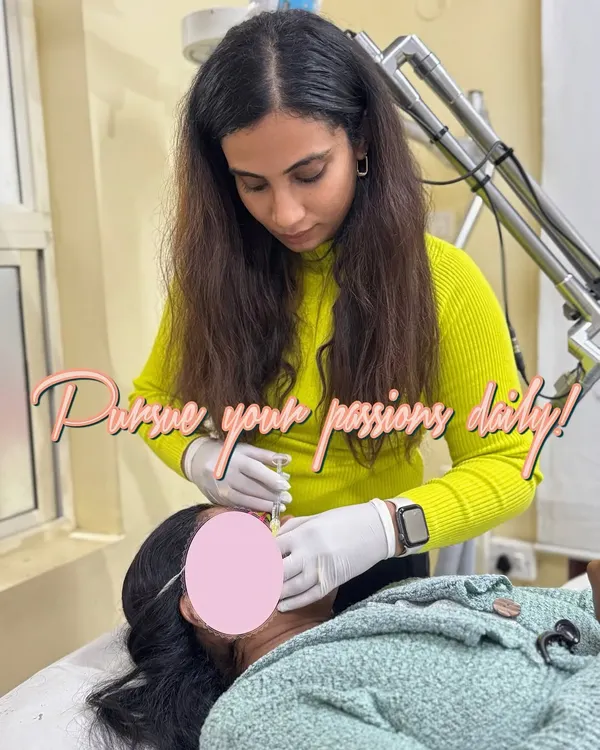 5
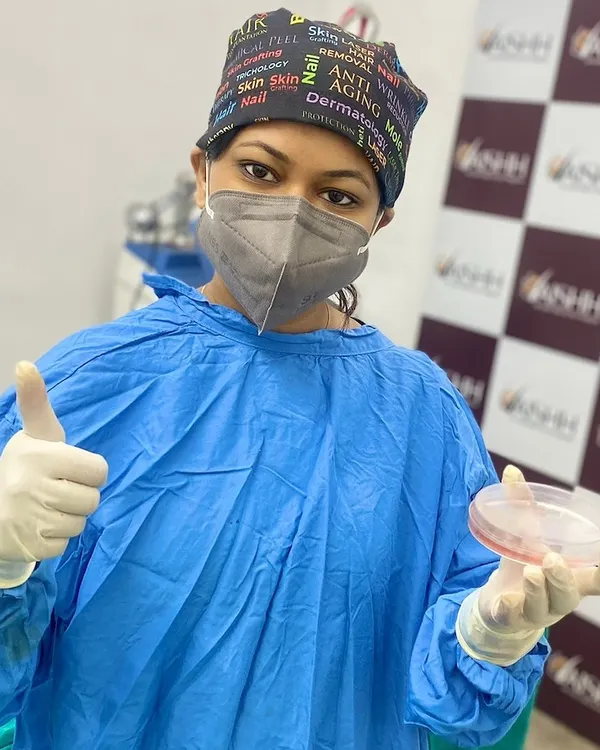
5Advanced Clinical Treatments for Complex Skin Conditions
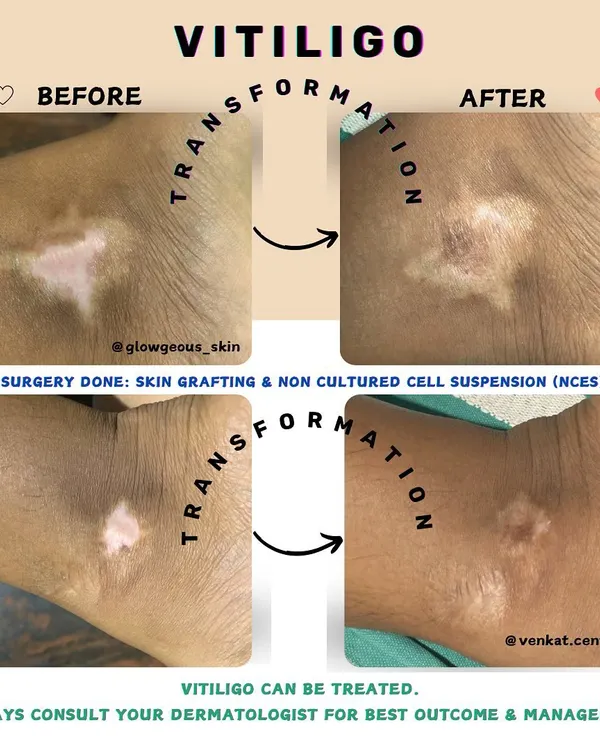 14
14Vitiligo Treatment and Advanced Scar Revision
 9
9
Pigmentation and Melasma Solutions
More from Vitiligo Treatment by Sandesh Gupta