Understanding Your Pigmentation and Dark Spots
Pigmentation is complex, and standard creams often miss the mark. We help you identify the root cause—be it hormones, sun exposure, or inflammation—to build a treatment plan that delivers results.
Welcome to your happy skin textbook. In this chapter, we delve into hyperpigmentation, which is the darkening of skin in patches due to excess melanin production.
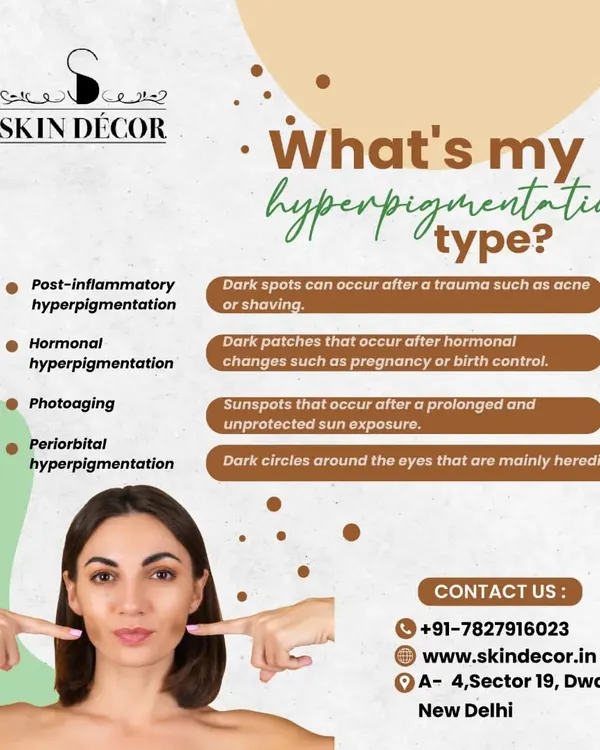
This visual breaks down the common types of hyperpigmentation, including post-inflammatory marks, melasma, and sun spots, alongside their primary causes like sun exposure and hormonal shifts.
Knowledge is power. Here, we outline the key strategies for both preventing hyperpigmentation, such as sun protection, and the professional treatment options available to correct it.
What causes pigmentation? This graphic illustrates the multiple factors, including sun exposure, genetics, hormonal changes, and even skin picking, that can lead to uneven skin tone.
Are you experiencing hyperpigmentation or hypopigmentation? This image introduces the key question to help you understand what's really happening with your skin's melanin production.
This infographic clearly defines the difference between hyperpigmentation (too much melanin, causing dark spots) and hypopigmentation (too little melanin, causing light patches).
Melasma appears as hormonal brown patches on the skin. I treat it with a careful combination of gentle peels, specialized topical creams, and strict sun protection protocols.
Post-Inflammatory Hyperpigmentation (PIH) refers to the dark marks left behind after acne or an injury. I treat this with targeted serums, professional peels, and advanced lasers.
Tanning is an overall darkening of the skin caused by sun exposure. To reverse this, I use skin-brightening chemical peels and specific laser treatments to restore your natural skin tone.
Why do pimples leave dark marks? This image introduces the concept of Post-Inflammatory Hyperpigmentation, a common concern that I can help you effectively manage.
About Understanding Your Pigmentation
If you have been applying brightening creams for months without significant change, your pigment likely sits deeper than surface-level skincare can penetrate. I conduct a detailed skin analysis to determine if your concern is superficial tanning, hormonal melasma, or post-acne marks, helping us choose between medical-grade chemical peels, Q-switched laser toning, or AdvaTx therapy for precise, lasting results.
Decoding Pigmentation
Not all dark spots are identical, and treating them incorrectly can sometimes make the issue worse. Pigmentation generally falls into a few key categories, each requiring a different clinical approach:
- Post-Inflammatory Hyperpigmentation (PIH): These are the dark marks left behind after acne or skin injury. We treat these by calming the underlying inflammation and accelerating cell turnover using targeted serums and chemical peels.
- Melasma: Often triggered by hormonal shifts, this presents as stubborn, patchy brown discoloration. Because melasma is sensitive to heat and light, we avoid aggressive burning treatments and instead use a cautious combination of medical-grade topicals and gentle, non-heat-based laser sessions to manage pigment production.
- Sun Damage & Tanning: While prevention via broad-spectrum sunscreen is the primary defense, existing sun spots often respond best to Q-Switched laser toning, which breaks down melanin clusters without damaging the surrounding skin.
Why Clinical Treatment Matters
While over-the-counter ingredients like Vitamin C or Niacinamide are excellent for maintenance, they rarely address deep-seated or long-standing pigmentation. When we move to a clinical setting, we can utilize technology like the AdvaTx laser to target the vascular components of melasma or precise chemical peels to exfoliate deeper layers of the epidermis.
My priority is always the health of your skin barrier. I do not believe in quick fixes that leave your skin compromised. We will start by identifying your unique triggers, whether that is lifestyle habits, sun exposure, or internal hormonal factors, and then curate a plan that balances professional procedures with simple, effective at-home care.
Similar work from other experts
Browse through Curated picks from other experts on mytribe
 4
4

Understanding Pigmentation and Root Causes
Expert Pigmentation & Melasma Care
 4
4
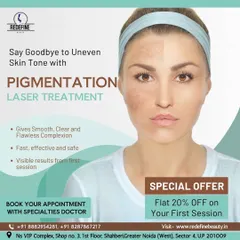
Effective Solutions for Pigmentation and Uneven Skin Tone
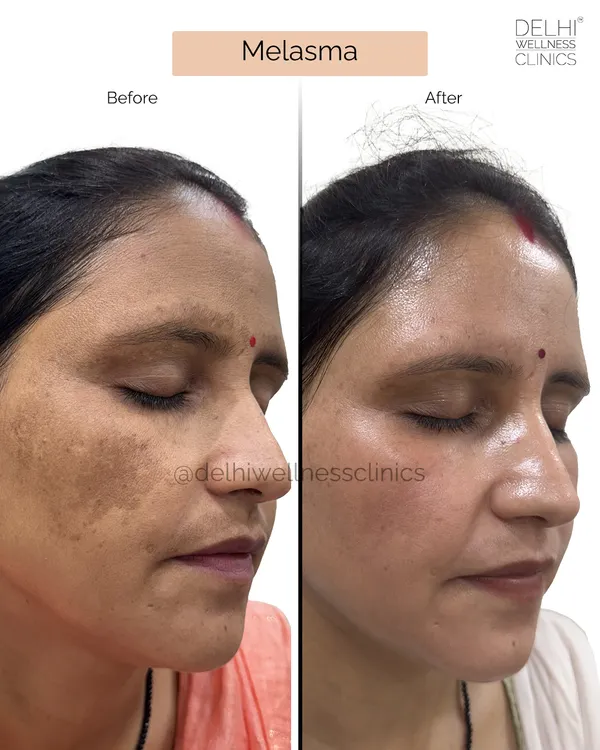 6
6
Clear Skin Solutions: Pigmentation & Sun Damage Treatment
Understanding and Treating Pigmentation on Indian Skin
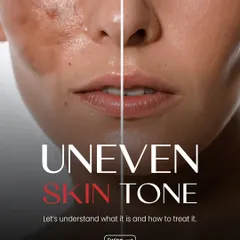
Pigmentation Treatment and Uneven Skin Tone Correction
More from Pigmentation & Skin Brightening by Ankita Pant