Understanding and Treating Pigmentation on Indian Skin
Pigmentation is rarely just a surface issue; it is a sign of what your skin is experiencing. From hormonal shifts to our hot, humid climate, I help you decode the root cause of your skin concerns.
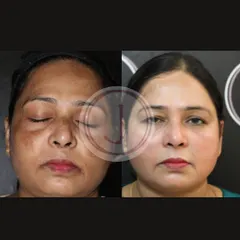
Melasma is a particularly stubborn form of pigmentation, often triggered by sun exposure, hormones, or genetics. I discuss the comprehensive approach required to manage it, which includes a healthy lifestyle, strict sun protection with physical sunscreens, and advanced in-clinic treatments like Q-switched lasers.
Acanthosis Nigricans presents as dark, velvety patches in body folds and is often a sign of an underlying issue like insulin resistance, PCOD, or obesity. I explain how treating the root cause, combined with topical creams like tretinoin or azelaic acid, can effectively lighten these areas.
In our hot and humid climate, the fungal infection Pityriasis Versicolor is quite common, appearing as discolored patches on the body. I detail its cause, the Malassezia fungus, and explain the treatment protocol, which involves specific antifungal shampoos, creams, and sometimes oral medication.
Rosacea is a chronic inflammatory condition that causes persistent facial redness and sometimes acne-like bumps, which I see frequently in North India. I outline the four main types of rosacea, identify common triggers like sun and spicy food, and discuss management strategies from sunscreens to topical and oral medications.
Have you ever noticed ripple-patterned black lines on your arms, neck, or back? This is often a condition called Macular Amyloidosis, where a protein deposits in the skin. I explain how this can be caused by friction from waxing or shaving and discuss effective treatments like peeling creams and in-clinic TCA peels.
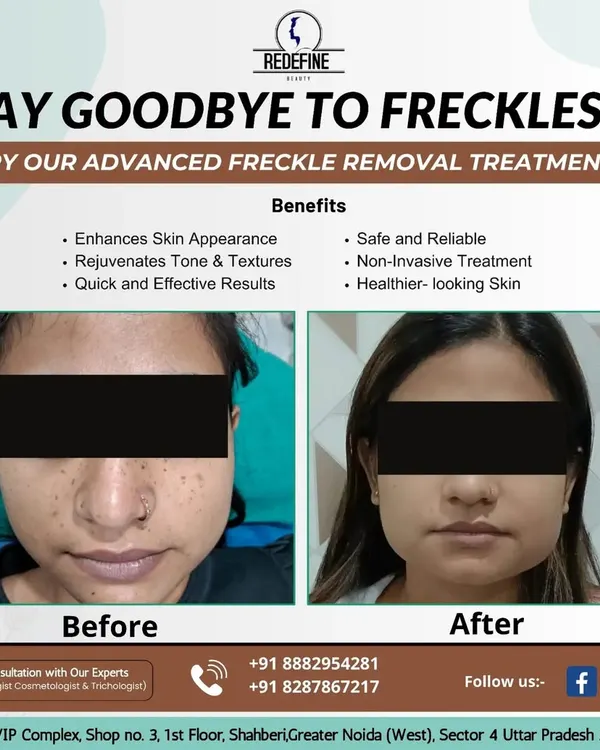
It is important to differentiate between various skin lesions. I explain the key differences between freckles, DPNs, seborrheic keratosis, and moles, discussing their appearance, causes, and how they can evolve. All of these can be safely and effectively removed with laser by an expert hand, leaving no scar.
That blackish discoloration you might see at the corners of your eyes or mouth may not be simple pigmentation. It could be a specific condition known as a Pigmentary Demarcation Line. I explain why a proper diagnosis from a dermatologist is crucial to determine the correct treatment path.
About A Guide to Common Pigmentation Concerns
Treating pigmentation is not about trial and error; it is about precision. Most dark patches I see—whether it is melasma, post-acne marks, or fungal infections like Pityriasis Versicolor—have distinct triggers that require specific, targeted management. We must first identify whether your concern is caused by hormonal shifts, underlying insulin resistance, or simple sun exposure before selecting a treatment protocol, as using the wrong active ingredient can often disrupt your skin barrier and worsen the condition.
Decoding Your Skin Concerns
Many patients come to me having tried multiple over-the-counter products without success. This usually happens because they are treating the symptom, not the cause.
Melasma Often triggered by sun exposure, hormonal changes, or genetics, melasma presents as symmetric patches, frequently on the cheeks or forehead. In our climate, standard chemical sunscreens are often insufficient. I focus on lifestyle changes, physical sunscreens containing zinc or titanium oxide, and targeted laser toning to break down pigment.
Acanthosis Nigricans If you notice dark, velvety patches in body folds like the neck or underarms, this is frequently linked to insulin resistance or hormonal imbalances. This is a condition where we must address the root cause, often alongside topical treatments, rather than just scrubbing the area, which can exacerbate the issue.
Fungal Infections In our hot, humid environment, conditions like Pityriasis Versicolor are common. Caused by the Malassezia fungus, these patches are often mistaken for simple pigmentation. Because this fungus feeds on oil, your treatment plan will be fundamentally different from one for sun damage, requiring specific antifungal protocols.
Identifying Pigmentary Demarcation Lines (PDL) Sometimes, the 'darkness' you see is actually a PDL, a normal genetic variation in skin pigmentation, not a disorder. It is important to have a clinical assessment to determine if treatment is even necessary or if it is a characteristic of your skin type.
The Importance of a Custom Plan
Now, why does the method matter? Because your skin type and environment dictate the solution.
- Methodical Diagnosis: I examine the depth of the pigment. Surface-level freckles require a different approach than deep-seated melasma.
- Procedural Safety: Whether it is a medical-grade chemical peel for exfoliation or a Q-Switch laser to target deeper melanin, I personally perform every procedure.
- Realistic Expectations: Pigmentation correction is a gradual process. We do not look for magic overnight; we look for consistent, sustainable improvement.
By combining clinical dermatology with the right home-care routine, we can manage these concerns effectively.
Similar work from other experts
Browse through Curated picks from other experts on mytribe
 17
17
Understanding Your Pigmentation and Dark Spots
 4
4

Understanding Pigmentation and Root Causes
Expert Pigmentation & Melasma Care
 4
4

Effective Solutions for Pigmentation and Uneven Skin Tone
Effective Solutions for Pigmentation and Uneven Skin Tone
 7
7

Treating Pigmentation and Dark Spots
More from Pigmentation & Skin Tone Correction by Anwesha Poddar