Expert Guide to Choosing the Right Sunscreen
Sunscreen is non-negotiable, but most of us are using it wrong. From understanding PA++++ ratings to mastering reapplication without ruining your day, here is how you build a real defense against tanning and premature aging.
Choosing the right sunscreen can feel overwhelming, so let's break down the label together. I explain what SPF and PA ratings mean, the difference between textures like gel and cream, and what ingredients to look for to ensure you get full protection.
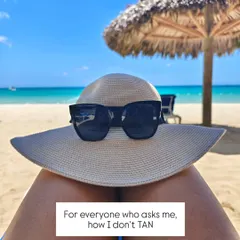
Still getting tanned on your trip even though you use sunscreen? You are not alone. This is a common complaint I hear, and it's usually because of a few key mistakes in application and product choice.
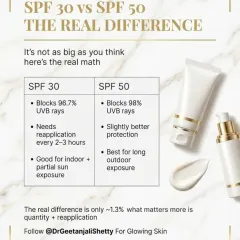
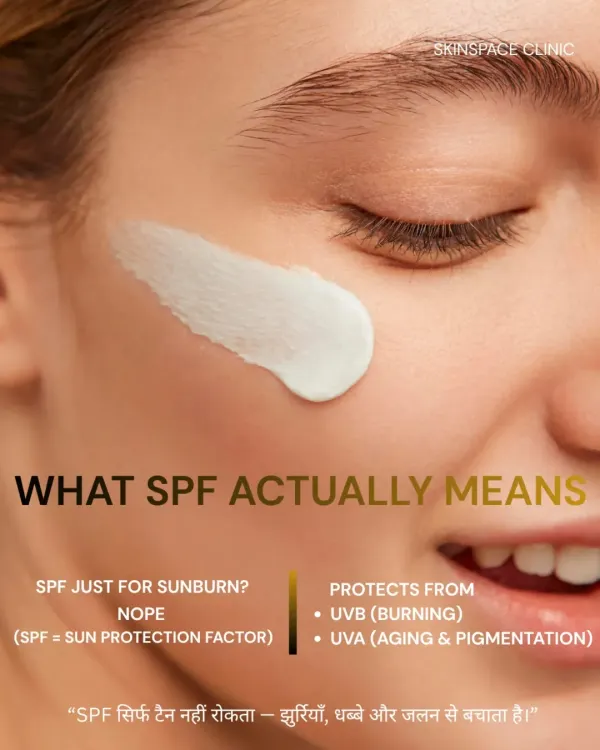
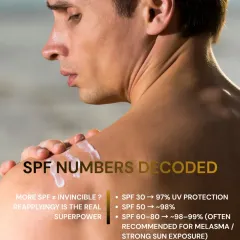
The first reason you might still be tanning is that you are not using the right sunscreen. Always look for a broad-spectrum formula with SPF 30 to 50 and a PA++++ rating for strong protection against both UVA and UVB rays.
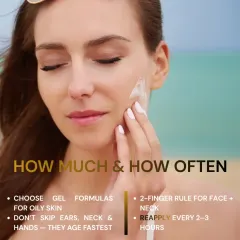
The second reason is quantity. Are you using enough? The two-finger rule for the face and neck is a good guide, but you also need to apply generously to all exposed parts of your body to get the protection stated on the bottle.
Third, reapplication is key. Sunscreen wears off with sweat, water, and time. You must reapply it religiously every two to three hours, especially when you are outdoors, to maintain protection.
Fourth, be careful with sprays and sticks for reapplication. While convenient, it's hard to know if you've applied enough for full coverage. Be generous with your application or layer it with a cream sunscreen.
We all know sunscreen needs reapplication, but it can be tough. I demonstrate different methods I use, from sunscreen sticks and SPF compacts for on-the-go touch-ups to tinted formulas that provide coverage and protection.
Have you heard of oral sunscreens? These are antioxidant supplements that help reduce UV-induced damage from within. While they don't replace your topical sunscreen, they provide an excellent additional layer of defense against pigmentation and sun damage.
Oral sunscreens are a powerful add-on for people prone to pigmentation like melasma, those with sun sensitivity, or anyone undergoing laser procedures. However, they must be combined with topical sunscreen for full protection.
Is the summer heat breaking you out? It's time to adjust your routine. I recommend switching to lightweight gel moisturizers and matte sunscreens, using foaming cleansers, and hydrating from the inside out to keep your skin cool and clear.
About Sun Protection: Your Daily Shield
The biggest mistake I see in my clinic? Not the brand you're using, but the amount. If you aren't following the two-finger rule, you are likely getting less than half the protection stated on the bottle. Remember, if you are wearing sunscreen indoors or even on a flight, you are already ahead of the game, but that bottle needs to be broad-spectrum to actually stop UVA-induced pigmentation.
Beyond the Bottle: What 'Broad-Spectrum' Actually Means
Most people look for SPF, but the PA rating (PA++++ is the gold standard) is what stops tanning and long-term UVA damage. I always recommend hybrid sunscreens—they combine physical filters like zinc oxide with chemical filters to give you the best of both worlds without that heavy white cast on Indian skin.
The 'Indoors' Myth
I hear this often: 'Dr. Saloni, I am indoors all day, do I really need it?' The answer is yes. UVA rays penetrate glass. Your office window, your car windshield, and even the window seat on a flight allow UV radiation to reach your skin. This constant exposure is the silent cause of hyperpigmentation and fine lines.
Practical Reapplication Tactics
We all know we should reapply every two to three hours, but let’s be practical—it is hard to smear cream over makeup.
- On the go: Use an SPF-infused compact or a mineral powder to touch up without disturbing your base.
- For body/travel: A sunscreen spray is excellent, but be generous with your application.
- For the face: If you are busy, a stick sunscreen allows for mess-free coverage.
When To See Me
If you are struggling with melasma, sun sensitivity, or post-inflammatory hyperpigmentation, topical sunscreen is your base layer. However, we might need to look at oral sunscreens—antioxidant-based supplements—to support your skin's defense from within. These are not a replacement for SPF, but a powerful add-on for specific skin health goals.
Similar work from other experts
Browse through Curated picks from other experts on mytribe
Sunscreen School: Expert Guide for Indian Skin
Sunscreen School: Your Daily Defense Against Sun Damage
Sunscreen is Non-Negotiable: The Truth About Daily Protection
Sunscreen 101: A Dermatologist’s Guide to Real Sun Protection
Sun Protection Simplified: A Dermatologist's Daily Guide
 9
9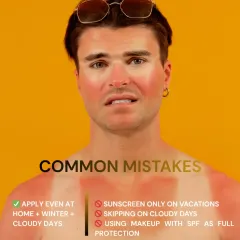
Science-Backed Daily Skincare & Prevention Tips
More from Acne, Scar & Pigmentation Correction by Saloni Vora-Gala