Sunscreen School: Your Daily Defense Against Sun Damage
Stop listening to influencers who don't know your skin. Learn the real science behind SPF, PA ratings, and how to actually protect your skin from the sun.
The "two-finger rule" for sunscreen isn't always accurate. I demonstrate that the amount of sunscreen you get depends on the size of the tube's nozzle. The most reliable way to ensure you're getting enough protection is to use a half-teaspoon measure for your face and neck.
What does the PA rating on your sunscreen mean? I explain that PA stands for Protection Grade of UVA, the rays responsible for aging. The more plus signs you see, like PA++++, the higher the protection against UVA radiation.
What SPF level is right for Indian skin? I recommend a minimum of SPF 30 for daily indoor use. If you are going to be outdoors in direct sunlight, you should use SPF 50 for adequate protection against sunburn and tanning.
Choosing a sunscreen can be confusing. I break down the key factors to consider: broad-spectrum coverage, SPF and PA ratings, non-comedogenic for acne-prone skin, and water resistance for sports. I also explain how to choose a formula based on your skin type, whether it's oily or dry.
Why is sunscreen so important? I explain the fundamental benefits. Daily use prevents sunburn, premature aging like wrinkles and fine lines, and reduces your risk of skin cancer by protecting your skin from harmful UV radiation.
I recently returned from a trip to Thailand and avoided getting a tan. My secret was simple: religiously reapplying sunscreen every two hours, especially after water activities. This video shows the real-world importance of reapplication for preventing sun damage.
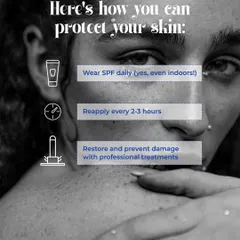
When do you really need to reapply sunscreen? I clarify the rules. If you're outdoors, sweating, or swimming, reapplication every two hours is a must. If you're indoors all day, applying once in the morning and once in the afternoon is usually sufficient.
A common mistake is skipping sunscreen on cloudy or rainy days. Clouds block visible light, but up to 80% of UV radiation still reaches your skin. You must wear sunscreen every day, regardless of the weather, to stay protected.
Not reapplying sunscreen is the second biggest mistake people make. The effectiveness of sunscreen decreases over time due to sweat and sun exposure. I explain the practical rules for reapplication to ensure you stay protected throughout the day.
Traveling on a flight exposes you to higher levels of UV radiation. I share my essential in-flight skincare tips: always wear sunscreen, use a good moisturizer to combat dry cabin air, and stay hydrated by drinking plenty of water.
About Sunscreen School: Your Daily Defense
Most people rely on the 'two-finger rule,' but it often fails if your sunscreen tube has a tiny nozzle. You need roughly 1/2 a teaspoon of product to cover your face and neck properly. Anything less, and you are just wasting your money on protection that isn't really protecting you.
Let’s clear the air. You do not need to layer on twenty different products to be healthy, but you do need to stop neglecting the one thing that actually prevents aging: sunscreen. Whether you are stuck in Bengaluru traffic or working from home, UV radiation is real and it hits your skin even on cloudy days. Clouds block visible light, but they do not block the UV rays that cause tanning and damage.
Many people ask if SPF 30 is enough. If you are mostly indoors, yes. If you are stepping out in direct sun, you need SPF 50. But the number on the bottle matters less if your application technique is wrong. If you aren't reapplying, you are effectively unprotected by the afternoon. The effectiveness of sunscreen degrades over time due to sweat and environmental exposure. If you are outside, you must reapply every two hours.
I help patients audit their current products to ditch the viral junk that causes breakouts and pigmentation. We focus on identifying non-comedogenic, gel-based, or lotion-based formulas that actually suit your specific skin type, rather than what someone on YouTube told you to buy. Skincare is not kitchen magic or an overnight fix. It is about consistency, understanding your skin's unique needs, and building a simple, effective routine. If you want to stop guessing and start protecting, let's look at what is in your skincare bag and build a plan that works.
Similar work from other experts
Browse through Curated picks from other experts on mytribe

Sunscreen School: Expert Advice on SPF & Skin Protection
Your Sunscreen Guide: Science-Backed Protection for Indian Skin
Sunscreen School: Expert Guide for Indian Skin

Sunscreen: Why It Is Your Best Defense Against Aging

Sun Protection Simplified: A Dermatologist's Daily Guide
Sun Protection Guide: Why SPF Is Your Non-Negotiable Daily Routine
More from Dermatology Consultation by Vandhana Manoharan
More services by Vandhana Manoharan