Decoding Common Skin Concerns: Science-Backed Truths
Stop chasing viral trends. From stubborn acne to confusing dark circles, your skin is unique, and it deserves an honest, scientific approach rather than a social media hack.
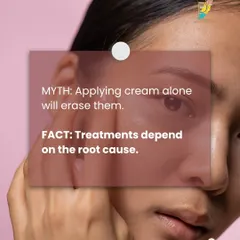
Not all dark circles are the same, which is why your eye cream might not be working. This simple guide will help you understand what your under-eyes really need by identifying the type of dark circle you have.
If you have brownish discoloration under your eyes, you likely have pigmented dark circles. These are often caused by genetics, sun exposure, or even hormonal imbalances, and creams alone are rarely enough to treat them.
Greyish or bluish dark circles are usually not a sign of pigmentation. This is typically caused by very thin under-eye skin, which makes the blood vessels underneath more visible.
What helps pigmented dark circles? Treatment may include a combination of approaches, from addressing underlying allergies to in-clinic procedures like chemical peels, pigment-targeting lasers, or microneedling with PDRN. Results are gradual and require consistency.
Sudden acne breakouts can be frustrating. The most common triggers are hormonal changes, diet and lifestyle factors like high sugar intake, or using the wrong skincare products that clog your pores. Identifying the root cause is key to effective treatment.
Do pimple patches really work? Yes, they can be very effective for pus-filled acne by absorbing the fluid and reducing inflammation. However, they are a quick fix and do not treat the root cause of acne or work on other types of pimples.
Those tiny, stubborn white bumps, often around the eyes, are called milia. They are not pimples but tiny cysts of trapped keratin. I demonstrate the safe, professional procedure for removing them, which should never be attempted at home.
Those pesky red bumps you get after shaving are called folliculitis. I explain how to prevent them with proper skin prep, using a sharp razor, and shaving in the direction of hair growth. For recurrent issues, laser hair reduction is an excellent long-term solution.
If you have 'strawberry skin' or 'chicken skin', you likely have Keratosis Pilaris (KP). Aggressive scrubbing and waxing will only make it worse. The right way to treat it is with gentle chemical exfoliants and moisturizers, or long-term with laser hair reduction.
Pigmentation is a very common concern, but prevention is always better than cure. The three most important things you can do are: use sunscreen daily, stop picking at acne or scabs, and add antioxidants like Vitamin C to your routine.
About Decoding Common Skin Concerns
Dark circles, for instance, are rarely one-size-fits-all. Some are pigment-based, while others are structural, caused by thin skin or volume loss. If you are applying an eye cream to a structural issue, it simply won't work. We need to look closely to see if you actually need a targeted laser treatment, a chemical peel, or just a change in your daily habits.
Why Your Skin Might Be Reacting
Many patients come to my clinic in Marine Lines or Juhu after trying DIY routines they saw online. They are frustrated because the 'magic' ingredients did not fix their acne or pigmentation. The truth is, skin issues like active acne, milia, or keratosis pilaris (strawberry skin) have root causes that topical creams often cannot touch.
Breaking Down the Science
- Acne & Breakouts: Sudden flares are often hormonal or lifestyle-driven. Sugar, dairy, or even the wrong hair products can clog pores. Treating them requires a consistent routine, not a quick fix.
- Dark Circles: Identifying whether you have pigmented dark circles or thin-skin visibility is the first step. Treatment plans might range from lifestyle adjustments to in-clinic procedures like Q-switched lasers or PDRN infusions.
- Keratosis Pilaris (KP): Aggressive scrubbing only triggers more inflammation. We manage KP by using gentle chemical exfoliants to dissolve keratin plugs and laser hair reduction to minimize the source of the blockage.
The Importance of a Professional Diagnosis
When you visit, we do not follow a set script. I assess your skin type, your history, and your specific goals. Whether it is a chemical peel to manage melasma or a precise extraction for milia, every step is controlled and medically supervised. My goal is to ensure you stop wasting money on treatments that don't apply to your skin type and start a routine that actually works.
Ready to get to the root of your skin concerns? Let's stop guessing and start treating with science.
Similar work from other experts
Browse through Curated picks from other experts on mytribe
 6
6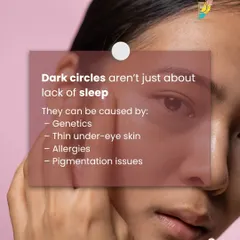

Expert Guidance for Your Unique Skin Concerns
Science-Backed Skin Health and Myth-Busting
Targeted Skin Solutions for Acne, Pigmentation, and Dark Circles
Science-Backed Acne and Pigmentation Treatments
Expert Dermatologist Advice for Your Skin and Hair



Your Skincare Questions Answered
More from Acne, Scar & Pigmentation Correction by Saloni Vora-Gala