Chemical Peels: Safe, Science-Based Skin Renewal in Mumbai
Stop guessing your skin routine. Chemical peels are medical treatments that, when done right, clarify your skin and build collagen. Here is the science, not the social media hype.
This is your complete guide to chemical peels, answering all the common questions I receive. A professionally administered chemical peel is a medical treatment that can significantly improve skin quality when chosen and applied correctly.
Let's start with the basics. Chemical peels are medical skin treatments that work through controlled exfoliation. They remove damaged, dead skin cells from the surface, which in turn stimulates new cell turnover and collagen production for healthier skin.
A very important question: Are chemical peels safe for Indian skin? Yes, they are, but only when the correct peel and strength are chosen by a doctor. The wrong selection can cause pigmentation, which is why professional guidance is essential.
Not all peels are the same. I use different types, from superficial peels for glow and mild acne to medium-depth peels for deeper pigmentation and texture issues. Deep peels are rarely used and require strict medical supervision.
Who can benefit from a chemical peel? This treatment is highly effective for a range of concerns, including active acne, acne marks, pigmentation, uneven skin tone, dullness, enlarged pores, and even early signs of aging.
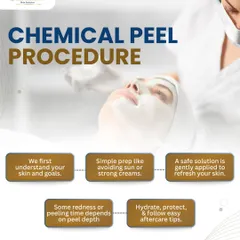
Here is what you can expect during a chemical peel session at my clinic. The process is quick, controlled, and safe, involving a skin assessment, cleansing, peel application, neutralization, and detailed guidance on post-procedure care.
So, what do chemical peels actually do? They remove damaged surface cells, stimulate new cell turnover, and trigger collagen production in the deeper layers of the skin. The result over time is healthier, thicker, and stronger skin.
Let's be clear: No, chemical peels do not thin your skin. In fact, when done correctly, they do the opposite by building collagen and improving skin density.
The type of peel used matters immensely. I select from superficial, medium, or deep peels based on your specific skin type and the concern we are addressing, ensuring a personalized and safe treatment.
Why do people think peels thin the skin? This myth often comes from the visible skin shedding, temporary sensitivity after a peel, or confusion with the effects of unsupervised steroid creams. The reality is that peeling does not equal thinning.
About Chemical Peels: The Real Science
A professional chemical peel is not about making your skin thin or sensitive; it is about controlled exfoliation to reset your skin health. In my clinic, I don't follow a one-size-fits-all protocol. We prep your skin by degreasing the surface, then apply a medical-grade acid blend—like salicylic for active acne or glycolic for texture—that is customized to your specific skin tolerance. The session ends with precise neutralization and a calming recovery balm, ensuring we treat your concern without damaging your skin barrier.
Understanding Chemical Peels
Many people think a chemical peel is just about peeling off skin, but that is a myth. A medical-grade peel works by causing a controlled, intentional injury to the surface layers. This triggers your skin to repair itself by shedding dead cells and boosting collagen production in the deeper layers. The result is thicker, stronger, and more even-toned skin.
Is it safe for Indian skin?
Indian skin is prone to hyperpigmentation, which is why strength and peel selection are non-negotiable. I use specialized, USFDA-approved acids that provide results without causing post-inflammatory hyperpigmentation. We don't just 'apply a peel'; we manage your skin’s pH and hydration throughout the process.
Why DIY is a disaster
I see many patients who tried at-home peels and ended up with burns or permanent dark spots. Kitchen ingredients or over-the-counter high-strength acids lack the controlled neutralization that a dermatologist provides. When you use a peel at home, you have no way to stop the reaction, leading to chemical burns.
My Protocol
- Skin Assessment: I evaluate your skin barrier before every single session.
- Customized Blend: I might mix acids or adjust percentages based on what your skin needs that day.
- Neutralization: This is the most critical step that only a professional can execute perfectly.
- Post-Peel Care: You leave with a clear plan on how to protect your skin, including strict sun protection, which is non-negotiable.
If you are tired of acne marks, uneven texture, or dull skin, let’s see if a peel is the right path for you. No shortcuts, just science.
Similar work from other experts
Browse through Curated picks from other experts on mytribe
 7
7

Skin Renewal: Chemical Peels & Microneedling
Medical-Grade Facials and Chemical Peels
 4
4
Chemical Peels and Pigmentation Treatment in Mumbai & Gurgaon
Professional Chemical Peels & Medi-Facials for Clear Skin
Targeted Chemical Peels for Acne, Tan & Pigmentation
Skin Renewal: Microneedling & Chemical Peels
More from Acne, Scar & Pigmentation Correction by Saloni Vora-Gala