Debunking Viral Skincare Myths
Social media loves a quick fix, but your skin needs facts. Let us separate the science from the trends together.
I am seeing teenagers using 10-step skincare routines with strong actives like retinol, which is unnecessary and potentially harmful. For teen skin, a simple routine of a gentle cleanser, moisturizer, and sunscreen is the safest and most effective approach.
Please keep lemons off your face. The high acidity of lemon juice disrupts your skin's natural pH barrier, which can lead to chemical burns, irritation, and a type of hyperpigmentation that is very difficult to treat.
At-home microneedling with dermarollers is a huge risk. Using the wrong needle depth can easily cause infection, scarring, and pigmentation. This is a procedure that should only be performed by a trained professional in a sterile environment.
Facials with bleaching agents or fairness creams often contain harsh steroids or even mercury that can severely damage your skin barrier. Your skin's goal should be health, not a lighter shade.
This example shows why personalized treatment is so important. Three people can have the same concern, like acne scars, but require completely different treatment plans. What you see online is not a one-size-fits-all solution.
In this 'This or That' game, I compare common skincare choices. I'll always choose science-backed treatments like skin boosters over temporary solutions like HydraFacials, and RF microneedling over peels for long-term collagen boosting.
Let's play another round of 'This or That'. I explain why I prefer foundational ingredients like ceramides over trendy ones like snail mucin, and why clinical treatments like fillers and Botox provide more predictable results than supplements or face yoga.
I often see patients using too many active ingredients at once, which can overwhelm the skin. It's important to layer products mindfully. Here, I share some examples of good and bad ingredient pairings to help you build a safe and effective routine.
Skin cycling is about using your active ingredients smartly to get results without irritation. For example, you should not use retinoids and vitamin C in the same routine. Use vitamin C in the morning and retinoids at night to get the benefits of both.
Too much of a good thing can be bad for your skin. Overusing actives like retinol, AHAs, and BHAs can damage your skin barrier, leading to redness and irritation. Your skin needs rest days to heal and rebuild.
About Myth-Busting & Skincare Smarts
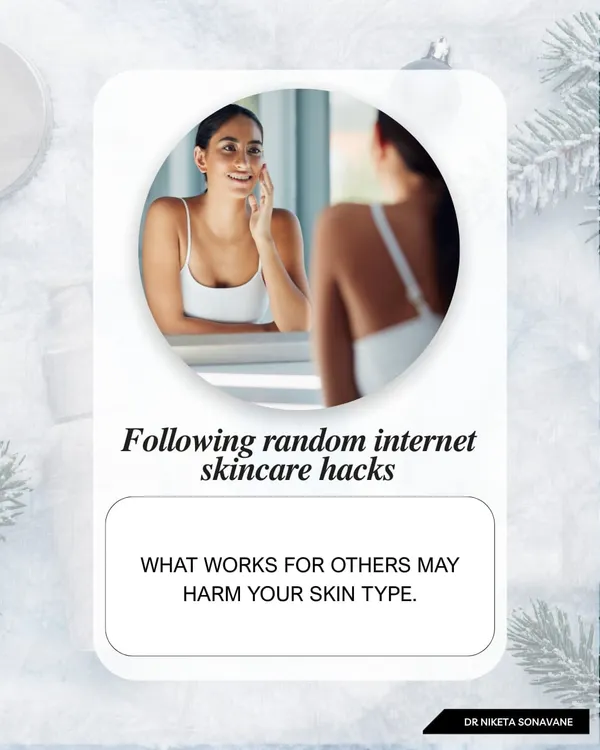
Do not waste your skin health on random viral hacks. Whether it is lemon on your face or an unnecessary 10-step routine, most trends end in a damaged skin barrier or lasting irritation. My priority is to keep your regimen simple, safe, and backed by actual dermatological science.
Teen Skincare: Start Smart
Teenage skin is often a target for aggressive marketing. If you are 13 or 14, your skin is developing and hormones are shifting. You do not need to layer AHA, BHA, and retinol products that might disrupt your skin barrier. A simple routine of a gentle cleanser, a suitable moisturizer, and sunscreen is the safest way to maintain health. Please skip the viral makeup trends that clog pores and lead to early acne.
The Dangers of DIY
Applying kitchen ingredients like lemon juice to your face is a significant risk. Lemon has a low pH that strips your natural barrier, causing dryness, irritation, and even chemical burns. This practice also induces photosensitivity, making your skin reactive to sunlight and leading to persistent pigmentation. Your skin deserves care, not harsh experiments.
Mastering Active Ingredients
Using too many actives at once is a recipe for redness. If you are using powerful ingredients like retinoids, always apply them at night. Follow the 'sandwich method' if your skin is sensitive, which involves applying moisturizer before and after your treatment to lock in hydration. Remember that retinoids and Vitamin C serve different purposes and should be spaced out, perhaps alternating morning and night, to avoid irritation. Skin cycling is about consistency, not intensity.
Similar work from other experts
Browse through Curated picks from other experts on mytribe
Real Skincare Facts: Debunking Viral Myths
Skincare Myth-Busting: Science-Backed Facts for Healthy Skin
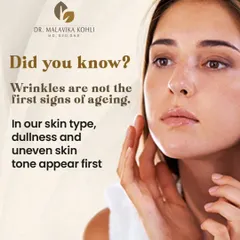

Science-Backed Skincare Advice
 18
18
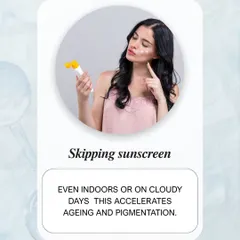
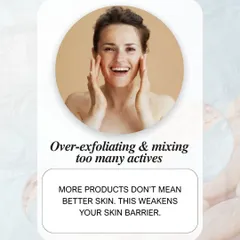
Stop Guessing: Skincare Myths vs. Science-Backed Facts
Skincare Myths & Real Facts Debunked
Skincare Myths vs. Facts: The Truth Behind Viral Trends
More from Acne, Scar & Pigmentation Correction by Saloni Vora-Gala