Sunscreen School: Expert Guide for Indian Skin
Stop guessing and start protecting. I’m here to show you how to choose the right SPF for our climate, decode those labels, and use sunscreen properly to prevent pigmentation.
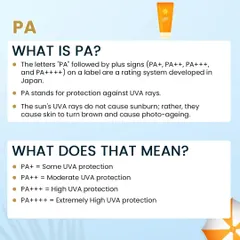
For Indian skin, the biggest concern is often pigmentation, not just sunburn. This is because we are more susceptible to damage from UVA rays and visible light. I explain why sunscreen is non-negotiable for us, even in monsoon, and what to look for on the label, like a PA rating of 4 plus, to truly protect your skin.
Do you think you can skip sunscreen in winter? Think again. The sun's UV rays are still strong, and when your skin is already dry from the cold, you are accelerating wrinkles and dark spots. I explain why SPF 50 is a must, every single day.
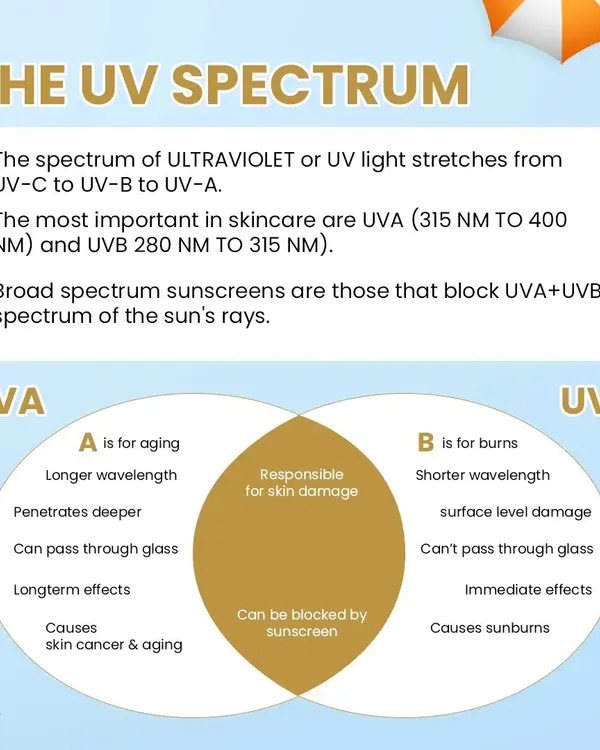
Driving with your car windows up does not protect you from sun damage. While the glass blocks most UVB rays, the aging UVA rays pass straight through. This silent, permanent damage happens even on cloudy days and in winter, so don't skip your sunscreen.
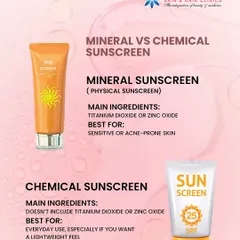
When choosing a sunscreen, there are five key things to look for. This video breaks down what you need on the label: SPF 30 or higher, broad-spectrum coverage, a high PA rating, water resistance, and a formulation suited to your skin type.
Are you applying sunscreen to all the right spots? Many people miss crucial areas like their eyelids, ears, neck, and hands. This graphic serves as a reminder to ensure you get complete coverage for full protection.
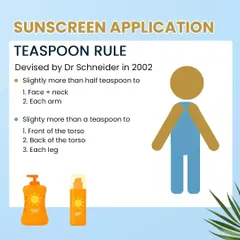
This is your daily reminder: did you apply sunscreen today? Proper application is key. I recommend the teaspoon rule for measuring the right amount for your face, neck, and body to ensure you are truly protected from UV damage.
Good skincare doesn't have to be expensive. Contrary to what some believe, you can find excellent, effective sunscreens under 500 rupees. Here, I recommend four budget-friendly options so you can protect your skin and save your money.
This is part two of my sunscreen series, focusing on recommendations for oily and combination skin types. I also cover the basics of application, like using two full finger lengths and applying it as the last step of your morning routine.
In part three of my sunscreen series, I provide specific product recommendations for those with dry skin. I explain what to look for in a formulation, such as cream and lotion textures that provide hydration while protecting your skin.
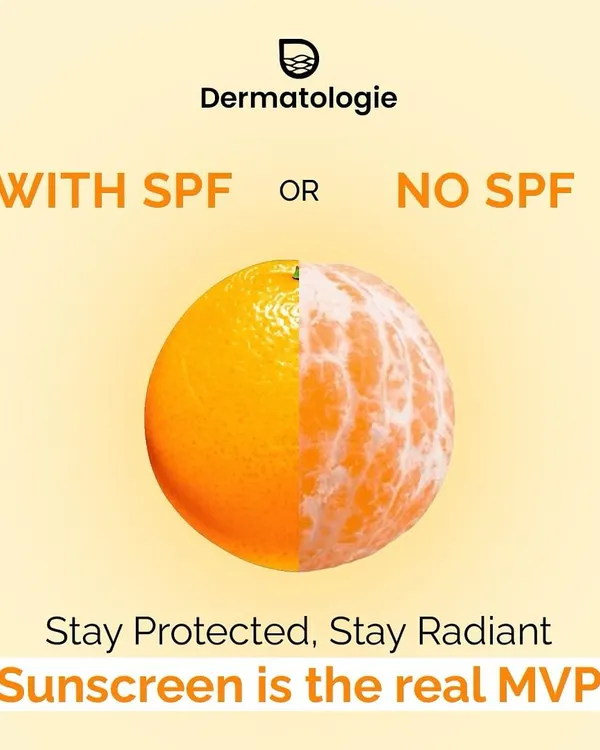
A patient asked me to rate different treatments for hyperpigmentation. While many ingredients are helpful, I give sunscreen a 1000 out of 10. It is the single most effective tool for preventing and treating pigmentation.
About Sunscreen School: Your Ultimate Guide
Most of you are under-applying. To get the protection listed on the bottle, you need a full teaspoon for your face and neck. If you are just dabbing a pea-sized amount, you are basically wearing expensive moisturizer, not a sunscreen. You need to apply it 20 to 30 minutes before stepping out, and reapply every three hours to actually stop the UV damage that causes your dark spots.
Let's get one thing straight. You aren't just protecting against sunburn. For us in India, the real enemy is UVA and visible light, which causes the pigmentation and melasma I see in my clinic every day. Many of you tell me you stop wearing sunscreen in the monsoon or winter because it feels unnecessary. This is a myth. UV rays are present all year round, and that silent damage leads to early aging and spots that are much harder to treat than they are to prevent.
What to actually look for on the bottle
When you buy a sunscreen, ignore the fancy packaging and marketing. Look for three non-negotiable details on the label:
- Broad-spectrum coverage: It must cover both UVA and UVB rays.
- SPF 30 or higher: I recommend SPF 50 for our climate to get that high level of protection.
- PA rating of 4 plus (PA++++): This is crucial. It is your primary shield against the UVA rays that cause long-term, deep skin damage.
Stop the bad habits
Please, stop letting influencers or the 'medical store bhaiya' decide your skincare. Those 'gore hone ki cream' products are often packed with steroids that will eventually thin your skin and cause permanent damage. If you have been using those, come see me. We can reverse the damage.
Whether you have oily, acne-prone, or dry skin, there is a formulation out there that won't make you look like a ghost or break you out. It is just about picking the right texture.
Similar work from other experts
Browse through Curated picks from other experts on mytribe
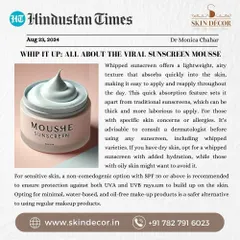
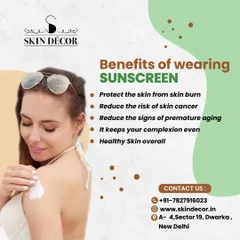
Sun Protection Essentials for Indian Skin
 4
4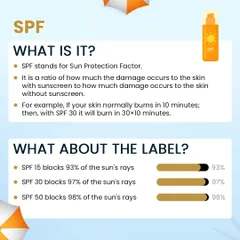
Understanding Sunscreen: A Dermatologist's Guide to Labels and Protection
 19
19
The Foundation: Sun Protection & SPF Guide
Sunscreen Guide: Find the Right Protection for Your Skin Type
Sunscreen School: Your Daily Defense Against Sun Damage
 7
7
Sunscreen 101: Simple Steps for Real Protection
More from Medical Dermatology by Meha Tyagi
More services by Meha Tyagi