Hair Transplant Guide: Safety, Results, and Honest Advice
A hair transplant is a significant medical decision. Before you rush into surgery, get clarity on what is actually safe, who is a good candidate, and how to spot genuine, long-term results versus unrealistic promises.
Can people with diabetes or hypertension get a hair transplant? Yes, it is possible if the condition is well-controlled. However, certain scalp diseases or unrealistic expectations, like wanting the hair of an 18-year-old, make someone an unsuitable candidate.
Swelling after a hair transplant is a common question, especially after seeing alarming photos online. Mild swelling can occur, but excessive swelling is not normal. I explain why it happens and the simple post-operative care steps to manage or prevent it.
Is a hair transplant risky? The risk is very low when performed correctly. One key factor is the type of anesthesia used. We use local anesthesia, which is confined to the scalp, unlike general anesthesia which affects the whole body, making the procedure much safer.
Genetics play a complex role in hair loss, with around 200 different gene locations influencing it. This is why hair loss patterns can vary so much even among siblings. While you can't change your genes, you can manage their effect with the right care.
Many myths surround hair transplants. No, the procedure does not affect your brain. No, it does not impact your sex life after a short recovery period. And yes, you must wash your hair post-transplant to keep it clean and prevent infection.
Is transplanted hair permanent? The hairs taken from the donor area are genetically resistant to the hormone that causes balding. While they are protected, other factors like aging or health issues can still affect them over time, which is why long-term care is important.
The success rate for hair transplants is very high, around 97-98%, but it's not a one-size-fits-all solution. Factors like the extent of your baldness and the quality of your donor area limit what's possible. For complete baldness, a transplant cannot restore a full head of hair.
Male pattern baldness is classified into grades, from Grade II (slight recession) to Grade VII (extensive baldness). In contrast, female pattern hair loss typically involves central thinning with an intact hairline. Understanding your pattern and grade is the first step in treatment.
Hair loss can significantly impact confidence, especially in a professional setting. Many patients seek a transplant not just for marriage prospects, but to feel more confident in their daily life and interactions among peers.
When should you consider a hair transplant? I advise against it for very young patients, typically under 24-25, as it's better to first stabilize the hair loss with medication. A transplant is a good option when hair loss is over 50% and medical treatments are not enough.
About Hair Transplant: Your Questions Answered
Dekhiye, a hair transplant is a medical procedure, not a cosmetic shortcut to 18-year-old hair. My 3D rule—Design, Density, and Direction—is what makes a result look natural, not fake. If you are considering this, your donor area is your savings account; we must manage it wisely rather than chasing unrealistic density that leaves you struggling with scarring or unnatural hairlines later. It is about restoring your look, not creating a fake one.
Safety and the 'Brain Myth'
First, let’s be clear: a hair transplant has absolutely no connection to your brain. We work exclusively within the top 2-3 millimeters of your scalp. It is a surface-level procedure. When performed under local anesthesia by a trained dermatologist, the risks are minimal. The most common issues, like mild swelling or transient pain, are easily managed with standard post-operative care.
Your Donor Area is Your Savings Account
Many patients come to me asking for maximum density in one session. This is a mistake. If you have Grade II or III hair loss, we need to think about your future. Think of your donor hair as a finite savings account. If we over-harvest early on, we have nothing left for the future if your hair loss progresses. I prioritize optimal density—giving you a natural look while preserving the health of your scalp and your donor potential for years to come.
Why Diagnosis Comes First
Hair loss is a symptom, not the primary disease. It can be caused by anything from stress and nutritional deficiencies to hormonal changes. Before planning any surgery, we must identify the root cause. Sometimes, the solution is not a transplant at all, but a combination of medical management—like PRP, GFC, or FDA-approved medications—to stabilize your existing hair. Surgery is only the right path if we have confirmed that medical treatments are no longer sufficient to meet your goals.
Post-Transplant Care
This is not a 'set it and forget it' procedure. You must commit to post-operative care, including proper cleaning to prevent infection, and long-term maintenance. Transplanted hair is resistant to the hormones that cause balding, but your existing hair still needs support. A combined approach of surgery and medication ensures your results last.
Similar work from other experts
Browse through Curated picks from other experts on mytribe
Hair Transplant FAQs: Real Answers Before You Decide
The Supermax Hair Transplant Process
 13
13


Your Hair Transplant Journey: A Transparent Guide
Hair Transplant Questions Answered
 13
13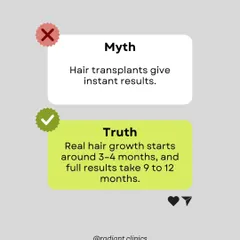
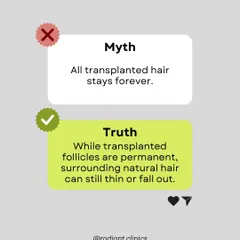
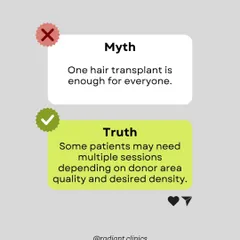
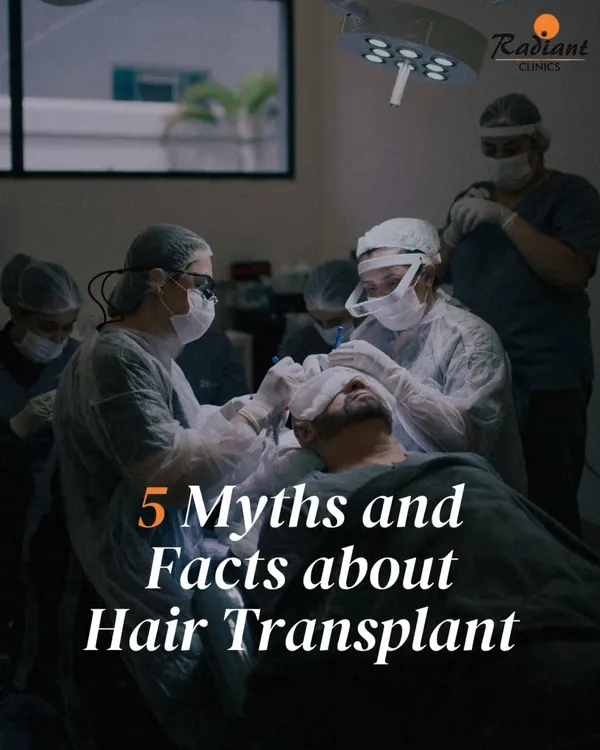
Hair Transplant Myths and Facts Explained
Your Hair Transplant Journey: From Consultation to Full Growth
More from Hair Loss Consultations by Dr. Jangid
More services by Dr. Jangid