Expert Hair Transplant & Restoration Services
Hair loss is a symptom, not just a cosmetic issue. My focus is on a proper diagnosis using the 3D rule—Design, Density, and Direction—to ensure natural, undetectable results.
A hair transplant is a safe procedure, but only when done right. I believe in empowering my patients with knowledge, so here are five essential points you must consider to ensure your safety and achieve the best results. Choosing the right surgeon and being medically fit are non-negotiable.
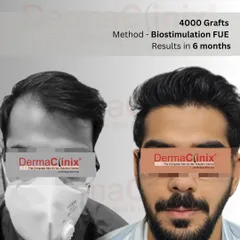
Seeing my patients regain their confidence is the most rewarding part of my work. This is Nishant, who serves in the Indian Army. After experiencing hair loss in his early 20s, he came to me for a consultation, and we achieved these remarkable results in just five months.
I always say that hair loss is a symptom, not the root problem. Before planning any treatment, my first step is always a thorough diagnosis to understand the underlying cause, whether it's genetics, a nutritional deficiency, or something else. A proper examination is the key to an effective treatment plan.
Many people ask about non-surgical options like PRP therapy. This is a supportive treatment where we use growth factors from your own blood to nourish hair roots. It is a simple and effective procedure, but it's important to first determine if it's the right solution for your specific condition.
You may have seen ads for Adivasi hair oil promising miraculous growth. It is important to understand that hair loss is a medical condition that requires a proper diagnosis. While some oils can condition hair strands, they cannot penetrate the scalp to treat the root cause of hair loss like a prescribed medication can.
It is important to have realistic expectations from a hair transplant. The goal is not to get back the hair you had at 18, but to achieve a natural-looking camouflage that is undetectable. A truly successful transplant is one where no one can tell any work has been done.
This patient came to me with Grade NW-4 baldness. After a detailed consultation, we performed an Enriched-FUE™ transplant with 3210 grafts. This is the result after just five months, showing significant density and a natural-looking hairline.
For many women, hair loss is linked to nutritional deficiencies, especially iron, due to our unique biological needs. A significant percentage of Indian women suffer from some form of deficiency, which can directly impact hair health. Often, the solution starts with addressing diet and nutrition.
About Featured
Think of a hair transplant as advanced camouflage, not a magic reset to your teenage hairline. Before booking any procedure, we must first diagnose the root cause of your hair loss—whether it is hormonal, nutritional, or genetic—because sometimes, the solution is as simple as correcting a deficiency, not surgery.
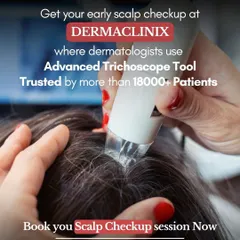
Many patients come to me asking for a transplant when they actually need to address an underlying medical condition. Hair loss is a symptom; if we do not treat the root cause, you will continue to lose hair even after surgery. At SkinQure, we start with a full scalp analysis, often using digital trichoscopy, to check follicle health and identify factors like stress, diet, or hormonal imbalances.
When surgery is the right path, I follow the 3D rule: Design, Density, and Direction.
- Design: Creating a hairline that looks natural, not like a straight, artificial fence.
- Density: Matching your existing hair thickness for a uniform look that blends in.
- Direction: Placing follicles to mimic the natural flow of your hair.
A successful transplant is undetectable—the goal is for no one to ever guess you had work done. Whether you are dealing with male pattern baldness or female hair thinning, we focus on what works for your specific scalp. My team and I prioritize your safety, providing a clear roadmap—from PRP and GFC therapies to Enriched-FUE surgery—so you know exactly what to expect before we begin.
Similar work from other experts
Browse through Curated picks from other experts on mytribe
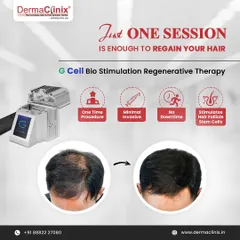
Advanced Hair Restoration and Medical Solutions

Advanced Hair Restoration and Treatment Solutions
Science-Based Hair Restoration by AIIMS Experts
 7
7
Natural Hair Transplants and Restorative Solutions
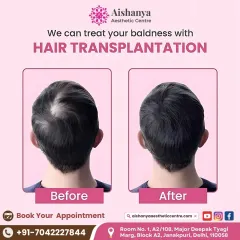
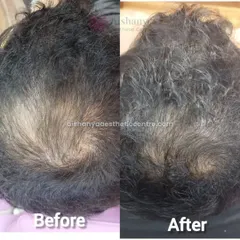
Advanced Hair Restoration and GFC-PRP Treatments
Advanced Medical Hair Restoration and Scalp Diagnostics
More from Hair Loss Consultations by Dr. Jangid
More services by Dr. Jangid