Corrective Hair Transplants for Unnatural Results
Had a previous transplant that doesn't look right? I specialize in fixing poor hairlines and restoring density, even when your donor area is limited.
Why is a corrective hair transplant needed? Often, it's because the initial procedure was performed by an untrained person. A hair transplant is a surgery, just like cardiac surgery. You must ensure your surgeon is a qualified and experienced dermatosurgeon.
Can body hair be used for a transplant? Yes, in corrective cases where the scalp donor area is depleted, we can use hair from the beard or chest. However, these hairs are different in texture and growth cycle, so they are mainly used as fillers to add density, not to create the hairline.
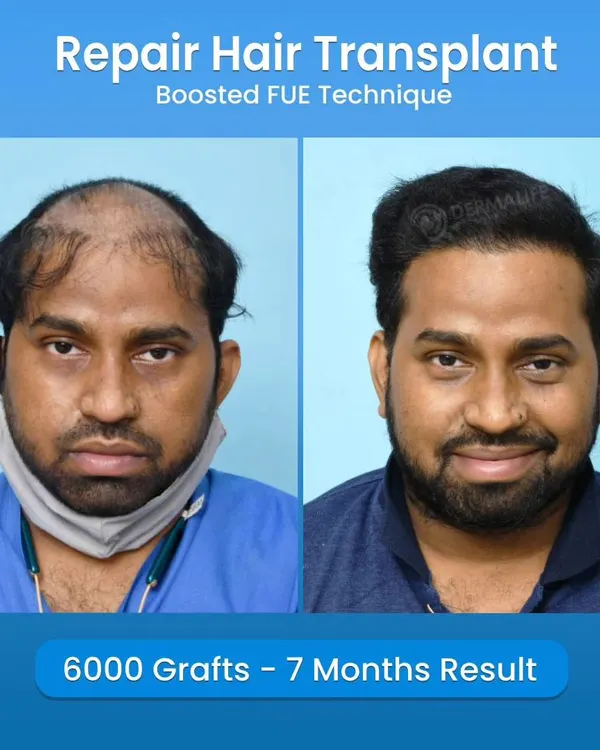
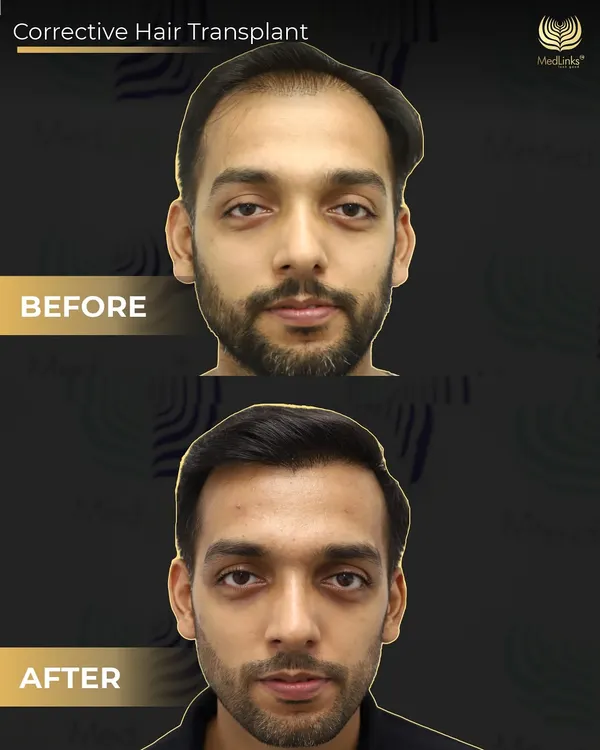
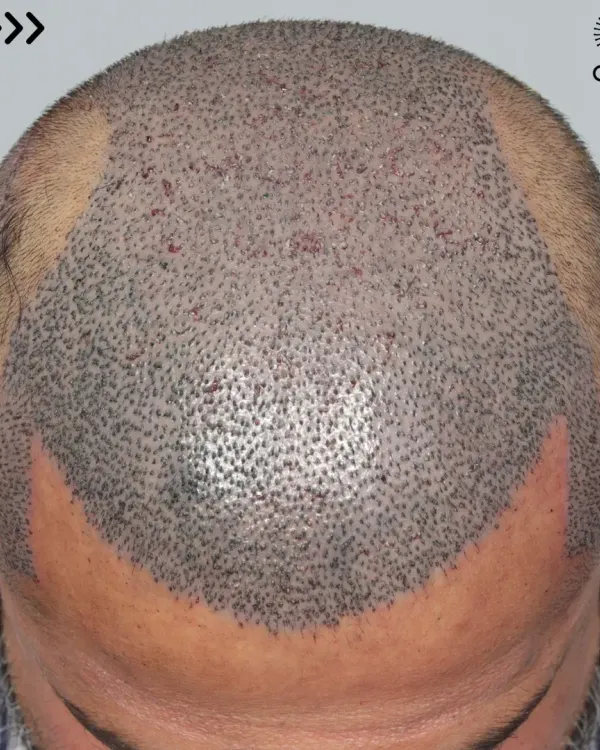
This is one of my most memorable cases. This patient had a poorly done transplant elsewhere that depleted his donor area. We performed multiple sittings, harvesting hair from his beard, chest, and even thighs to restore a natural look on his scalp. It shows what is possible with advanced techniques.
About Corrective Hair Transplants
Correction is more complex than the first surgery because your donor area is often already depleted. I frequently use beard or chest hair as fillers, which require careful handling because they have different textures and growth cycles than scalp hair. My focus is always on the '3D rule'—design, density, and direction—to ensure the repair blends naturally with your existing hair.
Why a Second Procedure is Different
When you come to me for a corrective hair transplant, we aren't starting from scratch. We are dealing with scarring, limited graft supply, and existing unnatural hairlines. This is why I always start with a detailed digital trichoscopy. We need to assess exactly how many viable follicles are left in your donor area before we promise anything.
The 3D Repair Method
Most unsuccessful transplants fail because they ignore the fundamentals of hair restoration. I use my 3D rule to fix these errors:
- Design: I redraw the hairline to match your facial structure, not just filling in space.
- Density: If your donor area is low, we might use body hair transplants to create the illusion of thickness.
- Direction: We ensure the new grafts grow at the correct angle so they mimic natural hair flow, which is where many initial surgeries go wrong.
Managing Expectations
Let’s be realistic. A corrective transplant will improve your look, but it won't give you the hair you had at 18. My goal is to make the work invisible. If no one can tell you have had surgery, that is a success. We often perform these in stages to avoid over-harvesting the donor site, keeping your safety as the primary constraint.
Similar work from other experts
Browse through Curated picks from other experts on mytribe
 4
4Hair Transplant Repair and Correction
 6
6
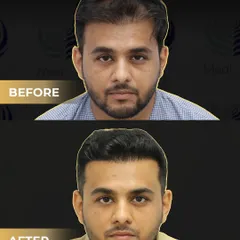
Corrective Hair Transplants: Fixing Unnatural Results
Fixing Failed Hair Transplants in Delhi
 7
7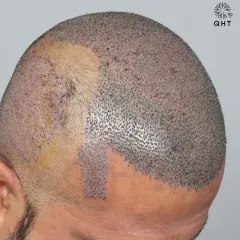
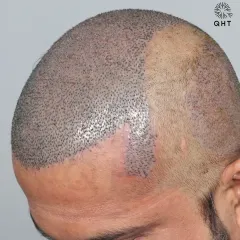
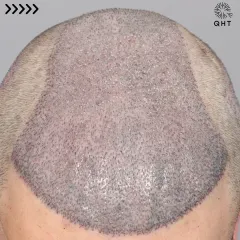
Fixing Failed Hair Transplants: Corrective Solutions
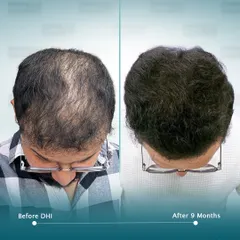
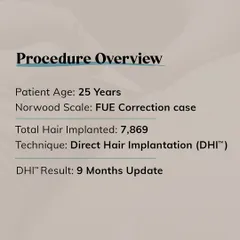
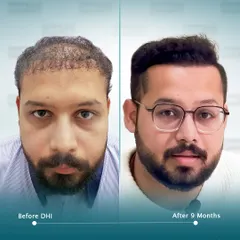
Repairing Failed Hair Transplants with Natural Results
Featured Hair Transplant Transformations & Corrective Cases
More from Hair Loss Consultations by Dr. Jangid
More services by Dr. Jangid