Real Hair Transplant Results & Patient Transformations
See actual results from my patients using Enriched-FUE and Bio-FUE techniques. Every case is unique, and these results are based on individual factors like donor capacity and specific hair loss patterns.
This video shows two examples of successful hair transplant results. Each case is unique, and a personal consultation is the only way to understand what results you can realistically expect. YouTube videos are for knowledge, but a treatment plan must be customized for you.
While celebrity results can be inspiring, it's crucial not to compare your potential outcome with theirs. A hair transplant is a personalized surgery, and success depends on individual factors like your donor area quality and the extent of your baldness.
Here are examples of corrective hair transplants. When a previous transplant fails, we often have to use hair from other body parts like the beard or chest. However, these hairs have different characteristics and are best used as fillers, not for creating a primary hairline.
These before and after images show the results of corrective hair transplants. Choosing an unqualified practitioner is the primary reason corrections are needed. It is vital to select a trained dermatosurgeon or plastic surgeon for your procedure.
This patient achieved this natural-looking density in just 8 months with a 3010 graft Enriched-FUE™ procedure. A successful transplant is not just about adding hair, but about creating a look that restores confidence.
These results were achieved with PRP therapy and medication, showing that surgery is not always the first option. For male pattern baldness, a consistent medication routine is crucial for maintaining both existing and new hair.
A combination of PRP-Meso therapy and medication helped this patient with male pattern hair loss achieve significant improvement. The right diagnosis helps in creating a multi-pronged treatment plan for the best outcomes.
This 30-year-old patient with Grade NW-4 baldness saw this transformation in 5 months after a 3210 graft Enriched-FUE™ transplant. Early and expert intervention can lead to excellent results.
These before and after photos show the power of a well-executed hair transplant. It's not just about surgery; post-procedure care, including washing and medication, is essential for a successful outcome.
This patient with Alopecia Subtotalis was treated with GFC therapy and medication over 6 months. It shows how non-surgical treatments can be highly effective for specific conditions when diagnosed correctly.
About Real Patient Transformations
Dekhiye, these images are not just 'before-after' photos for show. They are real cases with specific graft counts and timelines, like the 3010-graft Enriched-FUE procedure you see here. But understand this: a transplant is a custom surgery. What worked for a Grade NW-4 patient might not be the same for you because your donor area and scalp health are unique. A photo is just a reference; your personalized treatment plan is what truly matters.
My 3D Rule for Results
When I look at a scalp, I am not just thinking about putting hair in empty spaces. I follow a 3D rule: Design, Density, and Direction.
- Design: The hairline must look age-appropriate. If we place it too low or too straight, it looks artificial, not youthful.
- Density: We must work within the limits of your available donor hair. If your loss is extensive, we prioritize the frontal area for maximum cosmetic impact.
- Direction: Every hair has an angle of exit. I ensure we follow the natural flow of your existing hair so that when you style it, no one can point out that it is a transplant.
Why I Don't Promise 'Celebrity Hair'
You will see amazing transformations in this gallery, but please do not compare your scalp to a celebrity's or another patient's. Some patients come to me with a strong donor area; others have limited reserves. If you have Grade-VII baldness, we may use body hair from your beard or chest as a filler, but it will never match the texture of scalp hair perfectly. I prefer to be honest about these limitations during our consultation.
Diagnosis Before Treatment
Many of you come to me asking for a transplant, but often, the solution is medical management or therapy like GFC or PRP. Hair loss is a symptom, not the root problem. Whether you are dealing with male pattern baldness or something like Alopecia Areata, I will perform a Digital Trichoscopy first to see what is really happening. If we can save your existing hair with medication, that is always the first step. Surgery is reserved for when we genuinely need to restore what is lost.
Similar work from other experts
Browse through Curated picks from other experts on mytribe
Real Hair Transplant Transformations: Before and After Gallery
Real Hair Transplant Patient Results: Before & After
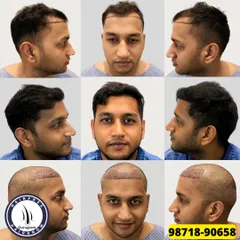
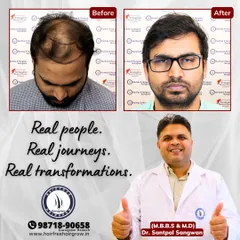
Hair Transplant Before & After Results
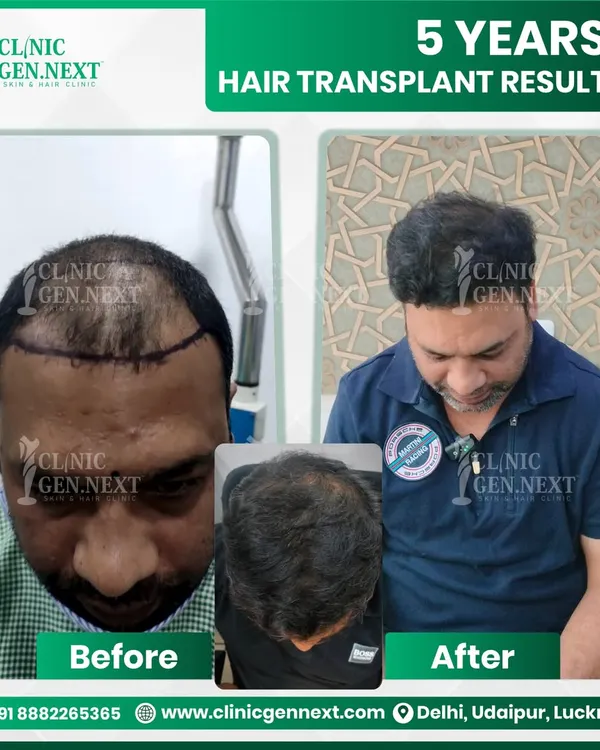 37
37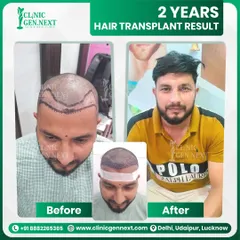
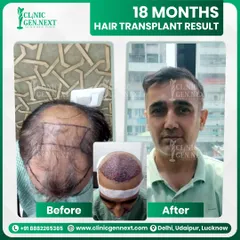
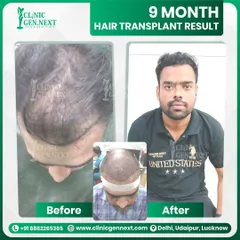
Real Hair Transplant Results & Patient Transformations
Hair Transplant Results & Before-After Transformations
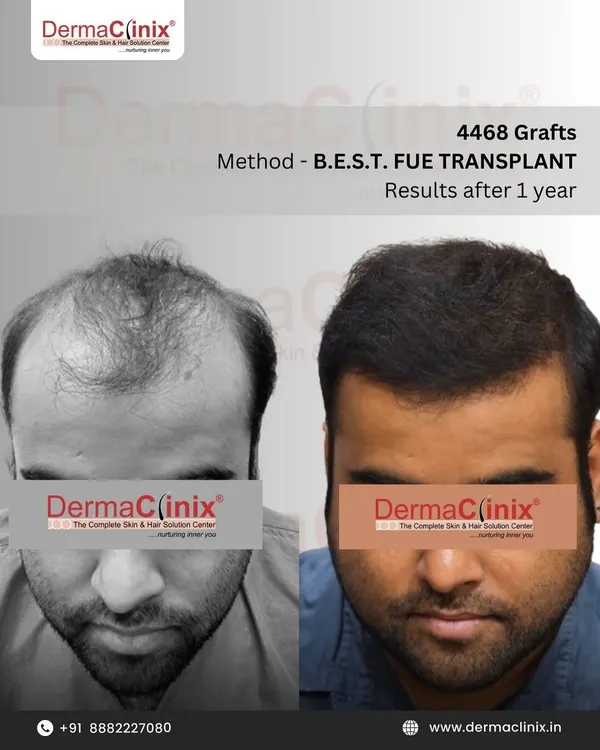 29
29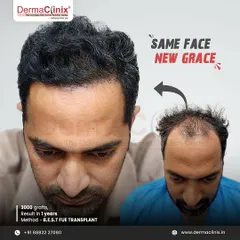
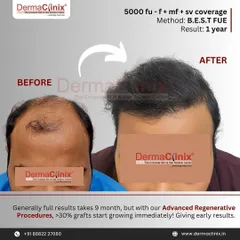
Real Scalp Hair Transplant Results
More from Hair Loss Consultations by Dr. Jangid
More services by Dr. Jangid