Sikh Heritage: Museums, Memorials, and Memory
Explore the intersection of history and memory through the museums and memorials that define Sikh heritage in Delhi. Join me for critical discussions that look beyond the surface of these sites.
My work focuses on how we remember history through public spaces. In this video, I introduce an upcoming panel discussion on the memorials built in Delhi to commemorate the 1984 anti-Sikh violence. I explore the questions behind these monuments: who built them, why, and what they communicate to us as part of our shared history.
This is the cover of my book, "The Story of a Sikh Museum," published by Cambridge University Press. It is a pioneering academic study of Sikh museums in contemporary India, using the Bhai Mati Das Museum in Delhi as a case study to examine how heritage, politics, and popular culture intersect.
This is a poster from a hybrid lecture I delivered at the Bhai Vir Singh Sahitya Sadan on the subject of Sikh Museums in contemporary India. My talks are designed for both academic and public audiences, available in person or online, to make critical historical research accessible.
An announcement for a book discussion forum at Ashoka University, where I was in conversation with former diplomat and author Navtej Sarna. These events provide a platform for deep, evidence based dialogue on topics like heritage, identity, and the politics of memory.
This promotional image provides biographical details for myself and Navtej Sarna for our discussion on my book, "The Story of a Sikh Museum." It highlights my position as Director for the Centre for Writing & Communication at Ashoka University.
A view of Gurudwara Sisganj Sahib in Chandni Chowk, the site of Guru Tegh Bahadur's martyrdom. This location is central to my research, as it houses the Bhai Mati Das Museum and stands as a powerful symbol of faith and sacrifice in Sikh history.
Interior views of the Bhai Mati Das Museum, located within the Gurudwara Sisganj Sahib complex. My book analyzes the collection of modern historical paintings in this museum, exploring how they construct and disseminate narratives of the Sikh past.
A wide view of an exhibition hall inside the Bhai Mati Das Museum. The displays, featuring history paintings against vibrant red walls, create a distinct visual narrative that I critically examine in my work on Sikh museology.
A close up of a painting depicting Mata Khivi Ji supervising the langar, a key institution in Sikhism. The bilingual labels in Punjabi and English are an important feature of the museum's curatorial strategy, making the history accessible to a wider audience.
Another gallery view within the Bhai Mati Das Museum, showing a series of paintings depicting the lives of the Sikh Gurus. My research investigates the origins of these paintings, many of which were commissioned for bank calendars before being acquired by the museum.
About Sikh Heritage: Museums, Memorials, and Memory
Most visitors view the paintings at the Bhai Mati Das Museum as traditional religious art, yet my research traces their origins to commercial bank calendars from years past. Understanding how these images transitioned from corporate promotion to historical narrative is central to my work. Whether you are organizing a university seminar or a public event, I provide the critical, evidence-based analysis needed to unpack these complexities.
The Intersection of Memory and Institution
In my practice, I explore the often overlooked relationship between institutional memory and public space. Whether examining the Bhai Mati Das Museum at Gurdwara Sisganj or the Wall of Truth at Gurdwara Rakabganj, my approach is to question the mechanics of heritage. I analyze not just what is displayed, but how and why it is presented to the public.
Analyzing Sikh Memorials
My research into the 1984 anti-Sikh violence memorials involves a critical look at spatial design and political narrative. These sites are not merely places of remembrance; they are constructed responses to trauma. By engaging with oral histories, state reports, and architectural choices, I offer a perspective that challenges standard historical accounts.
My Approach to Public History
My work is grounded in:
- Archival Research: Using primary sources and contemporary records to build context.
- Critical Dialogue: Focusing on panel discussions and book talks that prioritize evidence over popular myth.
- Academic Rigor: Bringing a scholarly lens to public history, ensuring that events, lectures, and panel moderations contribute to a deeper understanding of our shared past.
If you are looking for a speaker or moderator who prioritizes historical accuracy and critical inquiry, I am available to facilitate sessions that challenge the status quo.
Similar work from other experts
Browse through Curated picks from other experts on mytribe
 12
12
Documenting Historical Sites in Delhi & Beyond
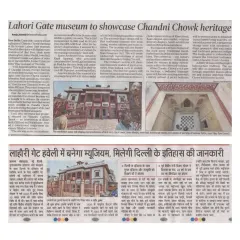
Cultural and Civic Architecture for Public Spaces
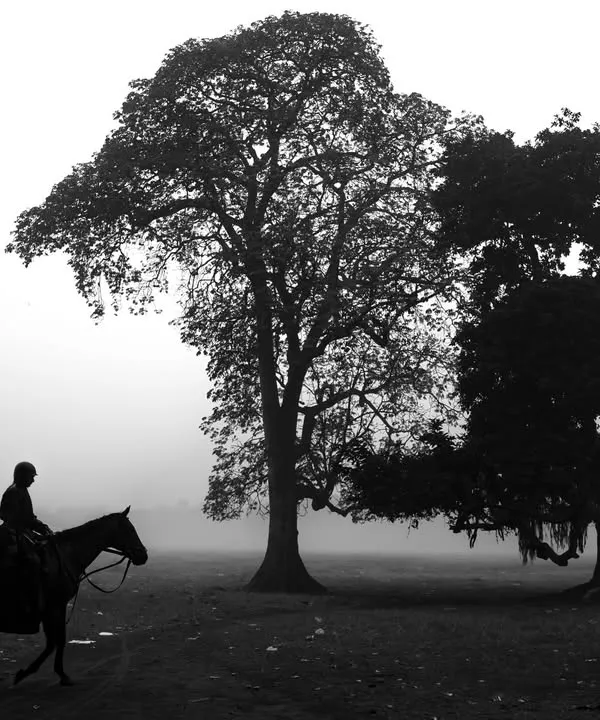 27
27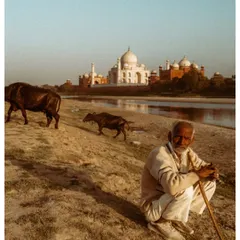
Authentic Street Photography and Monument Moments in India
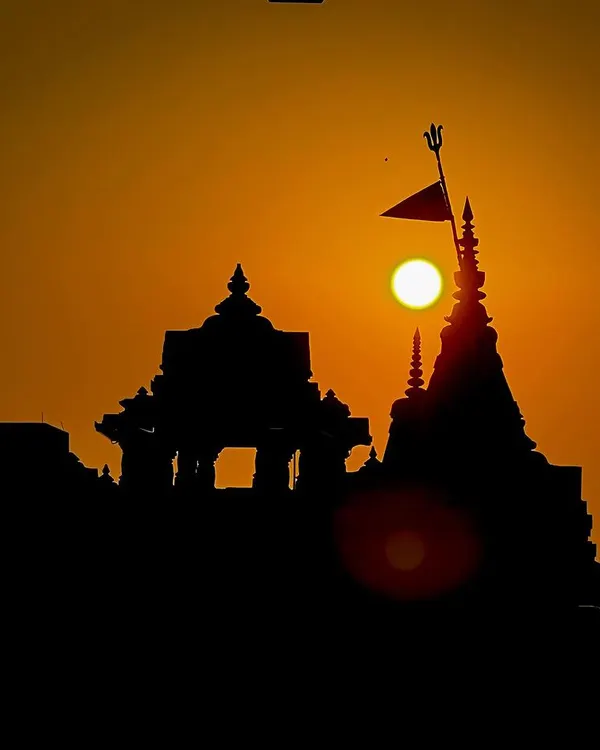 13
13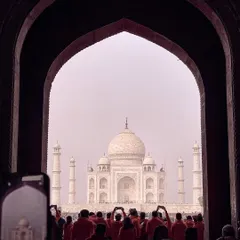
Sacred and Heritage Trails Photography in India
 39
39
Cultural Festivals and Rituals Photography
 8
8
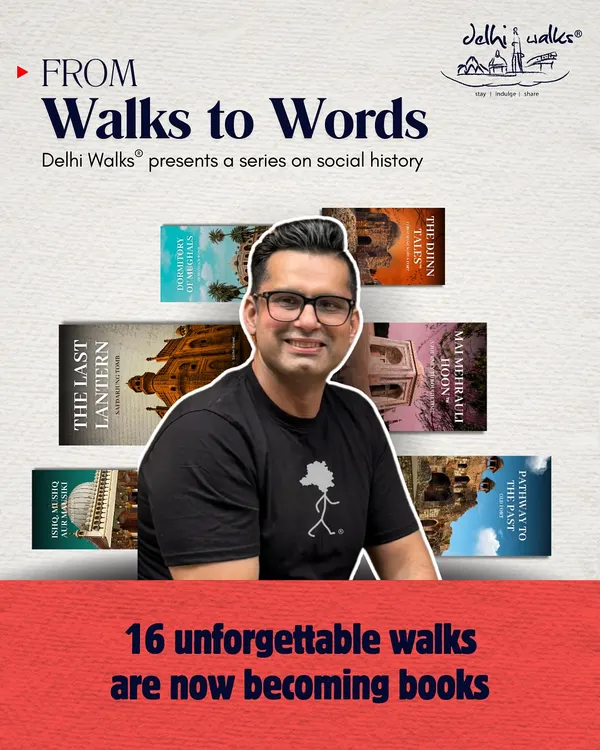
From Walks to Words: Our Delhi Heritage Book Series
More from Public Speaking & Academic Engagement by Kanika Singh
More services by Kanika Singh