The Historian's Bookshelf: Critical Readings on History & Culture
These texts provide the analytical framework I use to navigate Delhi's urban complexity and the layered history of India, moving beyond standard narratives to interrogate the past.
The cover of "New Delhi: Making of a Capital" by Malvika Singh and Rudrangshu Mukherjee. This book provides a detailed account of the planning and construction of New Delhi, using archival maps, plans, and photographs to tell the story of the imperial city's genesis.
Ranjana Sengupta's "Delhi Metropolitan: The Making of an Unlikely City." This work examines Delhi's continuous reinvention, from its ancient past to its modern expansion, exploring the cultural and social dynamics that have shaped its identity.
"In the City, Out of Place" by Awadhendhra Sharan, a critical examination of nuisance, pollution, and dwelling in Delhi from 1850-2000. This book is crucial for understanding the historical roots of Delhi's contemporary environmental and urban challenges.
The cover of "Rebuilding Shahjahanabad" by Jagmohan. Published in 1975, this book offers a fascinating, though contested, perspective from a key figure in Delhi's urban planning, revealing the philosophies that drove major changes in the walled city.
Sumanta K Bhowmick's "Princely Palaces in New Delhi." This book uncovers the history of buildings like Jaipur House and Mandi House, tracing their transformation from residences of maharajas to key public and governmental institutions.
"Delhi: Adventures in a Megacity" by Sam Miller. This book is a contemporary exploration of Delhi on foot, revealing the hidden layers of the city that are often missed. It champions the act of walking as a method of historical and cultural discovery.
The cover of "Beato's Delhi: 1857 & Beyond" by Jim Masselos and Narayani Gupta. This book analyzes the photographs of Felice Beato, who documented Delhi immediately after the Revolt of 1857, offering a critical look at the colonial gaze and the politics of representation.
"1857: Bihar Mein Mahayuddh" by Prasanna Kumar Chaudhary & Srikant. This important work in Hindi documents the events of the 1857 Revolt in the Bihar region, highlighting the participation of peasants, dalits, and tribes in the struggle.
The cover of "Gandhi in Cartoons," a compilation of cartoons about Mahatma Gandhi from around the world. This book provides a unique lens through which to view his global impact and how his methods were perceived and often satirized.
A 1907 sketch of Gandhi in European dress during his time in South Africa. This cartoon captures a specific moment when he was ordered to leave Transvaal for resisting discriminatory registration laws, marking an early phase of his political activism.
About The Historian's Bookshelf: Critical Readings on History & Culture
These books are not merely recommendations. They represent the primary sources, archival mappings, and socio-political critiques that form the foundation of my work. When I facilitate a panel or deliver a lecture, I use these specific materials to ground the conversation in evidence, moving the discourse away from casual observation and into rigorous historical analysis.
My approach to history is built on the belief that we must constantly question the archives we inherit. The books in this collection range from detailed architectural studies of New Delhi’s construction to visual analyses of political satire during the Gandhian era.
Urbanism and the City
I rely on texts like 'Delhi Metropolitan' and 'In the City, Out of Place' to deconstruct how Delhi has evolved. These works allow me to trace the transition from colonial sanitization projects to the contemporary environmental and infrastructure challenges that residents face today. If you are looking for a speaker who connects architectural history to current urban policy, these texts form the basis of that analysis.
1857 and Visual Evidence
Visual history is critical to my sessions. 'Beato's Delhi' is a key resource I bring into lectures to discuss the colonial gaze and the politics of representation. By juxtaposing 19th-century photography with modern site conditions, we can effectively map the physical and social changes that have occurred since the Revolt of 1857.
Political Culture
Works such as 'Gandhi in Cartoons' offer a unique lens on political history. I use these rare archival cartoons in academic presentations to discuss the satirical representation of non-violent resistance. These are not static historical artifacts; they are tools to prompt debate on dissent and power in public spaces.
Whether you are organizing a university symposium or a corporate history event, my sessions are designed to unpack these texts, offering your audience a perspective that is both deeply researched and intellectually challenging.
Similar work from other experts
Browse through Curated picks from other experts on mytribe
 6
6
A History Lover's Bookshelf
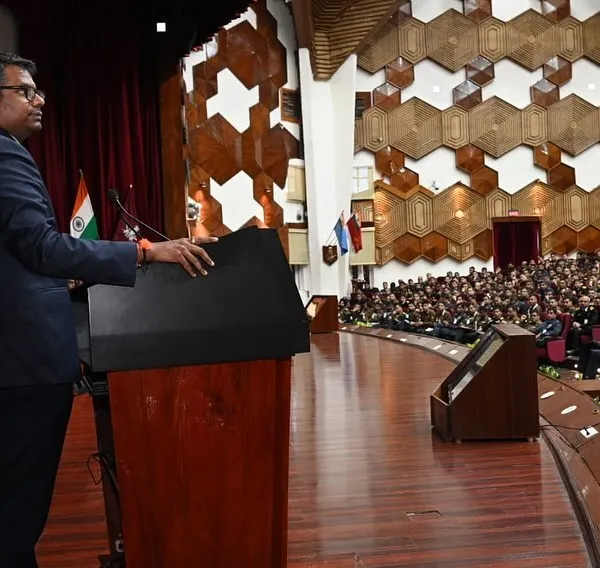 8
8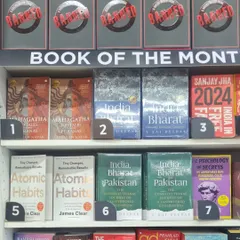

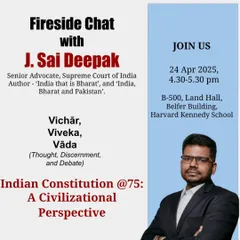
Decolonisation and Bharat: Civilizational Perspectives by J. Sai Deepak
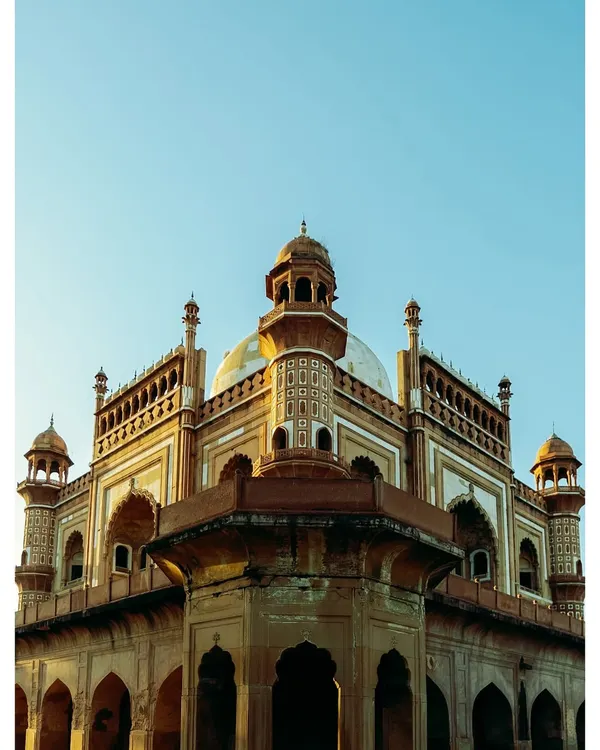 12
12

Documenting Historical Sites in Delhi & Beyond
 11
11
Book Talks and Inspiring Author Conversations
 8
8
Delhi, My Muse: Candid Urban Photography
 4
4

Meet the Storytellers Who Know Delhi Best
More from Public Speaking & Academic Engagement by Kanika Singh
More services by Kanika Singh