Archives, Museums, and the Politics of Preserving History
Archives do more than store paper. They shape our understanding of the past. From university repositories to specialized museums, these institutions are active sites of memory and evidence.
The state-of-the-art mobile shelving units at the Archives of Contemporary India (ACI) at Ashoka University. These systems ensure the long-term preservation of historical documents in a controlled and secure environment, which is fundamental to the work of historians.
Archival boxes neatly arranged on shelves at ACI. Each box contains carefully cataloged private papers from individuals and organizations, forming a repository of primary sources for researchers studying contemporary Indian history.
The processing room at the Archives of Contemporary India, where archivists sort, arrange, and describe historical documents. This meticulous work is what makes archival collections accessible and usable for academic research.
An archivist carefully placing documents into acid-free folders and boxes. This process of physical preservation is essential to prevent the deterioration of paper records, ensuring they survive for future generations of scholars.
The digitization and conservation equipment at ACI. High-resolution scanning and document repair are key functions of a modern archive, allowing for both wider access through digital copies and the physical restoration of fragile materials.
A photograph from a heritage walk and book discussion I organized at the Indraprastha College for Women archives in 2016. College archives are vital repositories for the history of education and women's movements in India.
The exterior of the Museum & Archives building at Indraprastha College for Women. The establishment of this archive in 2006 was a significant step in preserving the pioneering history of one of Delhi's oldest women's colleges.
A collage of exhibits from the Sulabh International Museum of Toilets. This unique museum uses historical artifacts and displays to trace the evolution of sanitation, demonstrating how museums can be powerful tools for social change and public education on unconventional topics.
About In the Archives: Preserving Contemporary India
You see a neat row of boxes, but in my work, these are battlegrounds for historical truth. Archivists do not just save paper. They make active choices about what constitutes a valid record and what gets silenced. Whether it is the personal papers at the Archives of Contemporary India or the educational legacy at Indraprastha College, understanding how these collections are curated is essential for any serious researcher or history enthusiast.
Why Archival Literacy Matters
We often treat archives as neutral storehouses. They are not. As a historian, I look at the finding aids, the cataloging systems, and the preservation techniques—such as the acid-free storage and digitization work I have observed at the ACI—not as administrative tasks, but as political acts.
Museums as Social Tools
Take the Sulabh International Museum of Toilets. It sounds unusual, but it demonstrates how a museum can use historical artifacts to force a conversation on sanitation and social reform. It is a clear example of how objects, when properly contextualized, become catalysts for change.
My Approach
I do not just visit these places. I analyze them. My lectures and panel moderation services help institutions and corporate groups decode these spaces. We look at:
- Provenance and Power: Who donated these papers and what was excluded from the record?
- Techniques of Memory: How does physical preservation, such as high-resolution scanning, change our access to historical truth?
- Institutional Narratives: How do colleges like Indraprastha preserve their own radical histories against the erosion of time?
If you are a university department, a cultural organization, or a curious collective, I am available to facilitate deep dives into these topics. Let us move beyond the surface and interrogate the records that build our collective memory.
Similar work from other experts
Browse through Curated picks from other experts on mytribe
 6
6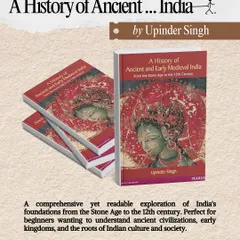
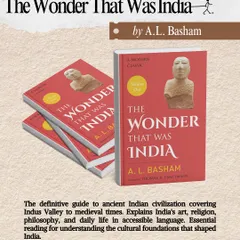
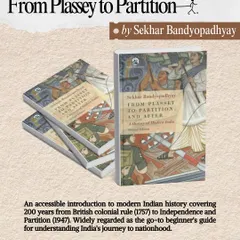
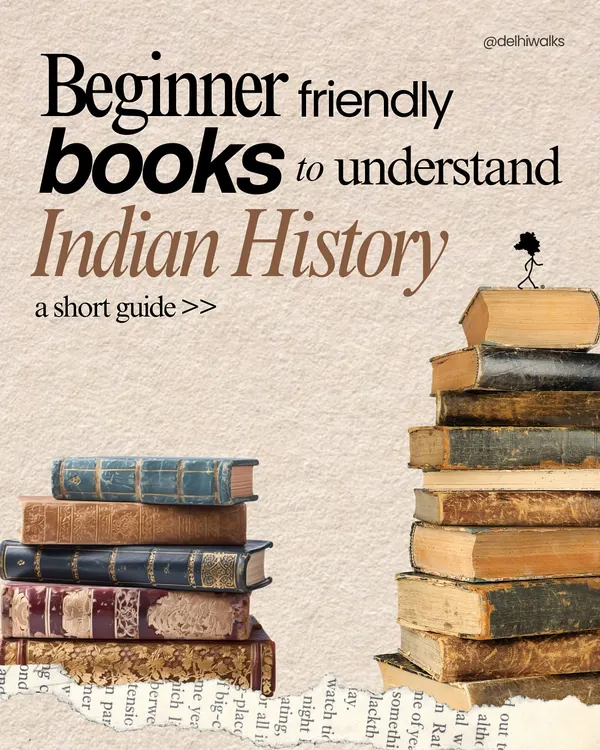
A History Lover's Bookshelf
 8
8

Significant auction archives and historic collections
Archival Kathak Performances and Legacy
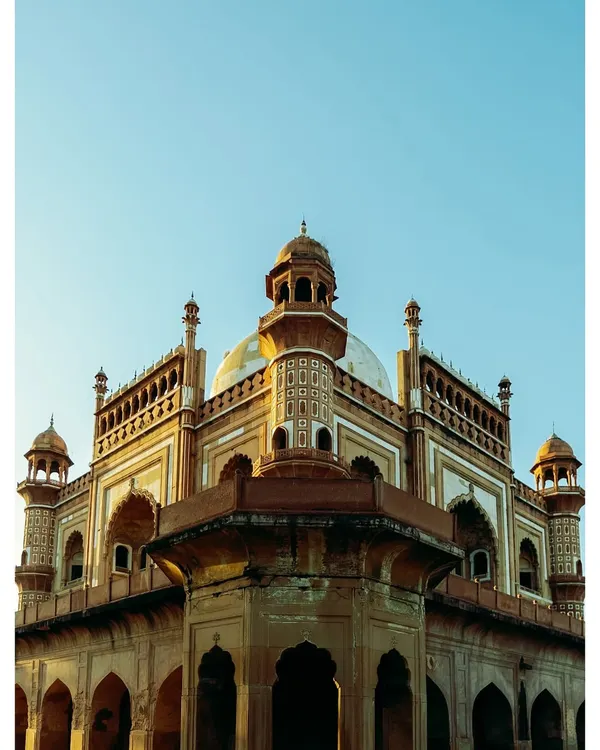
Cultural and Civic Architecture for Public Spaces
 12
12
Documenting Historical Sites in Delhi & Beyond
 35
35


Documenting Our Family Food Stories
More from Public Speaking & Academic Engagement by Kanika Singh
More services by Kanika Singh