The Sultanate Period: Exploring Delhi's Ancient Forts and Tombs
I take you beyond the familiar Mughal sights to uncover Delhi's older, more rugged Sultanate history. Join me as we trek through Tughlaqabad, Jahanpanah, and the hidden ruins of Mehrauli to understand the foundational layers of this city.
A video tour through Tughlaqabad Fort, where I explain the dramatic history of its rise and fall. The sheer scale of these 14th-century fortifications built by Ghiyasuddin Tughlaq is a testament to the ambitions of the Sultanate rulers.
A group photo with the team from JPAL-South Asia against the backdrop of Tughlaqabad's formidable ruins. It's always a pleasure to share Delhi's history with curious minds.
Walking along the massive ramparts of Tughlaqabad Fort. From here, we discuss the military strategy behind its construction and get a panoramic view of the vast, desolate landscape that was once a bustling capital city.
A moment of discussion amidst the ruins of the palace area in Tughlaqabad. My walks are based on deep research, connecting the physical evidence with historical accounts to reconstruct the past.
A close-up of our group on the fortifications of Tughlaqabad. The sloping walls are a characteristic feature of Tughlaq architecture, designed for defensive strength.
Overlooking the vast expanse of Tughlaqabad, I point out the location of the causeway connecting the fort to the Sultan's tomb. This view helps us understand the urban planning of the 14th century.
An engaged group listens intently within the palace complex of Tughlaqabad. We explore the series of courtyards, underground granaries, and residential quarters to understand life within the fort.
Exploring the rugged terrain of Tughlaqabad. I always recommend comfortable shoes as we often venture off the beaten path to uncover hidden details and stories.
Explaining the architectural details of the Tughlaq-era stonework. Even in decay, the craftsmanship and sheer scale of the construction are awe-inspiring.
A moment of rest and reflection for the group in front of Ghiyasuddin Tughluq's tomb. This fortified mausoleum, built of red sandstone and white marble, is a starkly beautiful example of early Sultanate architecture.
About The Sultanate Period: Forts, Tombs, and Lost Cities
We do not just walk through these ruins; we scramble up the ramparts and discuss the military engineering that defined the 14th century. Wear comfortable shoes for the uneven terrain at Tughlaqabad and Jahanpanah, because this history, marked by dynastic struggles and local legends, is far more complex than the dates in textbooks.
Most visitors see Delhi and immediately think of the Mughals, but the city's true foundations lie much earlier. My walks focus on the Sultanate period, where the architecture is defined not by ornamentation, but by raw, defensive power.
We start with Tughlaqabad, Ghiyasuddin Tughlaq's ambitious attempt to build a city in a few short years. It is a massive, skeletal fortress that feels abandoned even today. We discuss why it failed, looking beyond the popular legend of the curse of Sufi saint Nizamuddin Auliya to examine the real-world issues of water management and regional politics.
In Mehrauli, we visit the tomb of Sultan Balban, which houses the first true arch in Indian architecture. This was a technological turning point, and seeing it in the wild helps you understand how building techniques evolved from the Slave dynasty to the later Lodi period.
These walks are interactive sessions rather than lectures. We explore the 'why' behind the ruins. Why did they build so high? How did the city expand in Jahanpanah? What does the site of the Bijay Mandal tell us about the Sultan's daily life?
Practical notes for these walks:
- We cover significant distances over rough, rocky, and often unmaintained paths.
- These are not manicured park walks, so footwear with good grip is mandatory.
- We rely on natural light and site acoustics, so be prepared to gather close for the discussions.
Similar work from other experts
Browse through Curated picks from other experts on mytribe
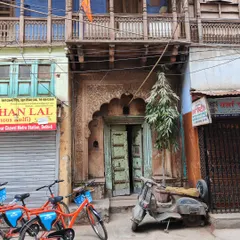


Old Delhi Heritage Walks
 31
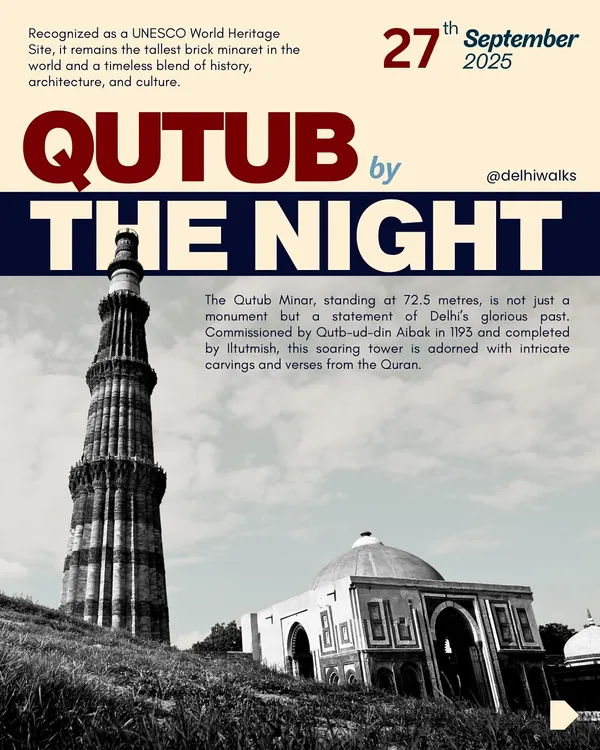
31
Exploring Delhi’s Monuments Under the Moonlight
 12
12

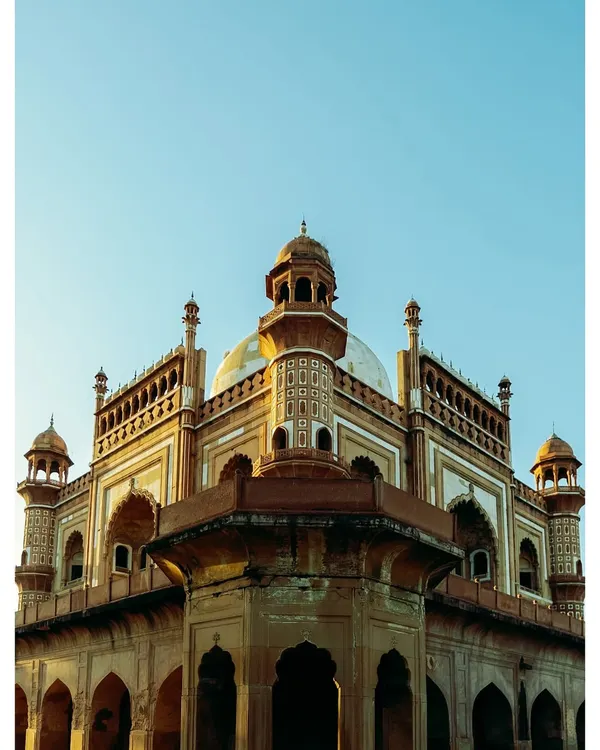
Documenting Historical Sites in Delhi & Beyond
 37
37
Scenic and Themed Cycling Adventures in Delhi
 5
5
Landmark and Travel Photography in Delhi
 18
18
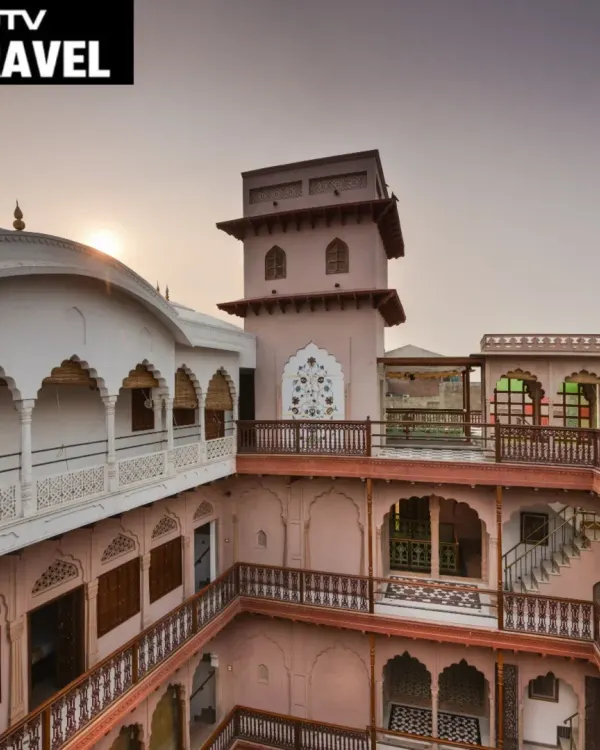
Haveli Dharampura: A UNESCO Award-Winning Revival
More from Heritage Walks & Historical Tours by Kanika Singh
More services by Kanika Singh