Shahjahanabad Heritage and Food Walks in Delhi
Join me for a critical look at the layers of Shahjahanabad. We walk beyond standard guidebooks to explore Mughal history, colonial architecture, and the evolving street food landscape of Old Delhi.
A collage announcing our Heritage and Food Walk in Old Delhi. This popular tour starts at Jama Masjid and winds through historic markets and lesser-known mosques, with delicious food stops along the way.
A mouth-watering collage of the street food we sample on our Old Delhi walk. From spicy chaat and fruit kulfis to fried chicken and shahi tukda, it's a culinary journey through the city's history.
Groups of participants at the grand Jama Masjid, the starting point of our Shahjahanabad exploration. Built by Shah Jahan, it remains one of the largest and most important mosques in India.
A view of the crowded Matia Mahal market from Jama Masjid. This vibrant scene captures the essence of Old Delhi, where life, commerce, and history are densely interwoven.
Exploring the Ruknuddaulah Masjid, a lesser-known 18th-century mosque in Chawri Bazar. My walks make a point of uncovering these hidden historical sites amidst the chaos of the old city.
A collage showing the courtyard of Hauz Qazi, a 300-year-old complex that once belonged to a Muslim law-giver. We also see the interior of a beautifully preserved 19th-century haveli that we visit on this walk.
Participants admiring the architecture of a 19th-century haveli in Old Delhi. These traditional mansions with their central courtyards offer a peaceful respite from the busy streets and a glimpse into a bygone lifestyle.
The Bhai Mati Das Museum, located within the Gurudwara Sisganj Sahib complex. The museum's paintings narrate key moments from Sikh history, providing context for the Guru's martyrdom at this very site.
The magnificent Gurudwara Sisganj Sahib in Chandni Chowk, a sacred site marking the martyrdom of the ninth Sikh Guru, Tegh Bahadur, in 1675.
A sunlit view of the golden domes of Gurudwara Sisganj Sahib. Our walk here covers the story of the Guru's sacrifice for religious freedom.
About Shahjahanabad: A Living History and Food Trail
These walks aren't passive sightseeing. We navigate the dense, uneven lanes of Old Delhi, so wear comfortable, sturdy shoes. We visit active religious sites and busy, chaotic markets, meaning we often experience the city's intensity firsthand. Come ready to question the historical narratives you've always heard.
History as an Active Debate
Old Delhi, or Shahjahanabad, is often reduced to a checklist of monuments, but my walks aim to dismantle that approach. When we visit the Jama Masjid or walk through the historic Chawri Bazar, we aren't just looking at stone; we are discussing the intent behind the architecture and the socio-economic conditions of the 17th century.
The Intersection of Past and Present
My trails connect the grandeur of Mughal-era Havelis with the living, breathing markets that occupy these spaces today. We delve into:
- Mughal Origins: Understanding the strategic importance of the Jama Masjid and the layout of the city during Shah Jahan's reign.
- Colonial Impact: Analyzing structures like the Town Hall to see how British civic architecture was imposed upon the existing city fabric.
- Sikh Heritage: We visit sites like Gurudwara Sisganj Sahib and the Bhai Mati Das Museum, discussing the critical role these locations played in Sikh history and how they are remembered today.
Food as a Historical Lens
We don't eat just for the sake of it. The street food stops are carefully chosen to reflect the cultural migration and trade history of Old Delhi. We sample food from century-old shops, using these culinary traditions to understand how communities settled and adapted in this part of the city.
What to Expect
Expect a 2.5 to 3-hour session that moves at a steady pace. This is not a lecture; it is an inquiry. I encourage participants to bring their curiosity and be prepared for walking on uneven terrain. We will often be in crowded spaces, which is an essential part of understanding the reality of Old Delhi's urban history.
Similar work from other experts
Browse through Curated picks from other experts on mytribe


Old Delhi Heritage Walks
A Taste of Delhi: Culinary Trails
 12
12
Documenting Historical Sites in Delhi & Beyond
Cultural Moments & Street Photography in Delhi NCR
 14
14


Authentic Purani Dilli Chaat Catering for Your Party
 5
5
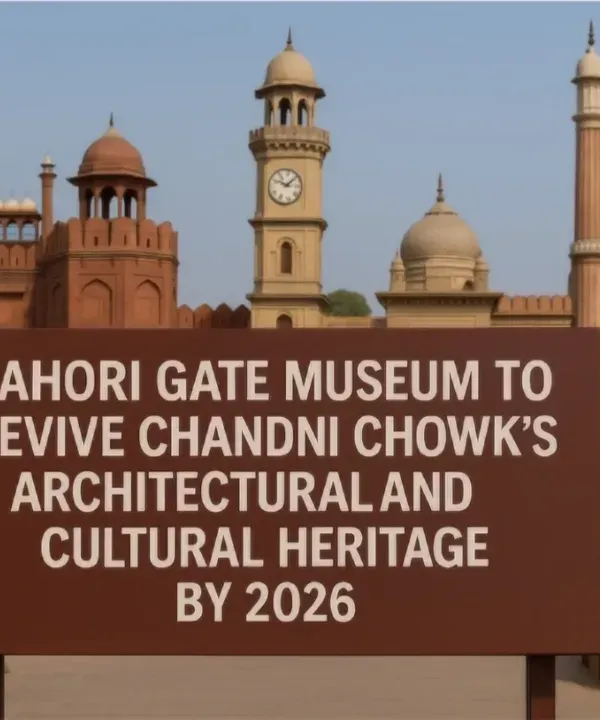
Lahori Gate Museum: Restoring Delhi's Heritage
More from Heritage Walks & Historical Tours by Kanika Singh
More services by Kanika Singh