The 1857 Revolt and Colonial Delhi Heritage Walks
We re-examine the 1857 uprising and the subsequent consolidation of British power. Join me to uncover the stories of soldiers, intellectuals, and ordinary people caught in this defining turning point of Indian history.
A historic 1857 photograph of Kashmiri Gate by Felice Beato, showing the damage sustained during the British assault to recapture Delhi. Comparing this with the gate today allows us to directly engage with the aftermath of the revolt.
A collage showing our group exploring the fortifications and ramparts of Kashmiri Gate. We walk the path of the British soldiers and discuss the military tactics of the siege.
Two scenes from a walk at Kashmiri Gate, showing groups listening to the history of the 1857 revolt. The open green space was once a scene of intense fighting.
The entrance to Nicholson Cemetery, named after Brigadier General John Nicholson, a key British figure who died during the 1857 revolt. The cemetery is the final resting place for many British soldiers and civilians from that era.
A group stands at the entrance of Nicholson Cemetery at sunset. Here, I introduce the complex character of John Nicholson and the role he played in the siege of Delhi.
Participants look at the grave of John Nicholson. We discuss his controversial legacy, from being a ruthless military leader to being worshipped by a cult known as the 'Nikal Seyn'.
Another view of Nicholson's grave, surrounded by the quiet greenery of the cemetery. This site offers a somber reflection on the human cost of the 1857 conflict.
The burial site of Master Ramachandra, a prominent intellectual of the 19th-century Delhi Renaissance. His story, which we uncover at Nicholson Cemetery, reflects the complex social and political currents of the time.
A group listens intently in the overgrown section of Nicholson Cemetery. We move beyond the military history to discuss figures like Master Ramachandra, whose life was tragically altered by the revolt.
Participants examine a tombstone in Nicholson Cemetery. Each grave tells a story, and our walk pieces together a larger narrative of colonial life and death in Delhi.
About The 1857 Revolt and Colonial Delhi
This is not a generic sightseeing tour. We stand exactly where the British assault began at Kashmiri Gate and look at the physical scars still visible on the walls. I rely on archival records and primary accounts to challenge the standard textbook narratives, helping you see the 1857 revolt as a complex, human event that continues to shape modern Delhi.
A Critical Look at 1857
History is rarely as clean as a textbook suggests. On these walks, we peel back the layers of the 1857 rebellion, moving beyond the well-known figures to understand the chaotic reality of the siege. We visit sites like Kashmiri Gate, where you can still spot the damage from cannonballs, to visualize the tactical intensity of the conflict. It is a place where we discuss the demarcation between the British-held Ridge and the Indian-occupied city.
The Human Side of Colonial History
We also explore the legacy of individuals often sidelined in traditional narratives. At Nicholson Cemetery, we discuss figures like the mathematician and intellectual Master Ramachandra, whose life was upturned by the revolt. We examine the complex, often contradictory legacy of figures like John Nicholson—a man feared and revered in equal measure. At St. James’ Church, the oldest surviving church in Delhi, we look at the life of James Skinner and his regiment, the 'Yellow Boys,' to understand the unique socio-military landscape of the era.
Why Walk with Me?
- Evidence-Based: We do not just listen to legends. We look at archival data and contemporary accounts.
- Interactive: I encourage questions. We debate the political context, the architectural history, and the social shifts of the 19th century.
- Beyond the Surface: Whether you are a student or a curious local, this walk is designed to make you question how history is memorialized and why some stories are remembered while others are erased.
Similar work from other experts
Browse through Curated picks from other experts on mytribe
 49
49
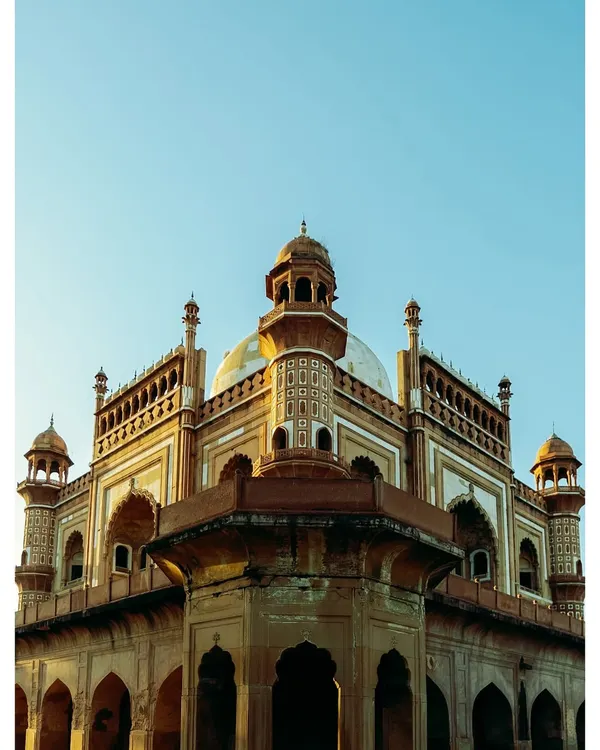
Vanishing Havelis of Old Delhi: A Heritage Walk Through Time
Walks Through Delhi's Green Oases
 12
12

Documenting Historical Sites in Delhi & Beyond
 37
37
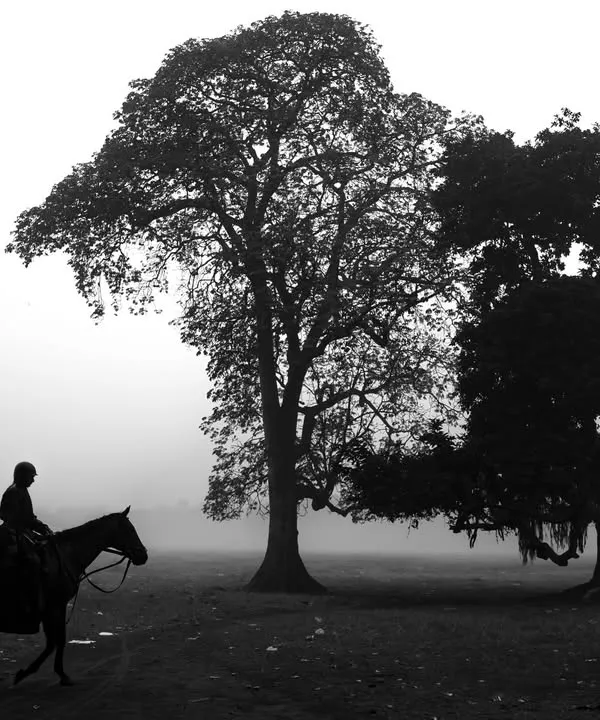
Scenic and Themed Cycling Adventures in Delhi
 27
27
Authentic Street Photography and Monument Moments in India
 13
13
Sacred and Heritage Trails Photography in India
More from Heritage Walks & Historical Tours by Kanika Singh
More services by Kanika Singh