Modern History and Nation-Building Walks in Delhi
We move beyond the surface of memorials to critically engage with the figures and events that shaped the identity of modern India.
The serene campus of Gandhi Smriti, the house where Mahatma Gandhi spent the last 144 days of his life. This is where we begin our exploration of his final days and enduring legacy.
A statue of Mahatma Gandhi at Gandhi Smriti. The museum preserves his living quarters and showcases his life and philosophy through photographs, sculptures, and personal artifacts.
The site map of Gandhi Smriti, located at 5, Tees January Marg. The former Birla House was converted into a national memorial after his assassination here in 1948.
The entrance to the Gandhi Smriti Museum. Our tour here is a reflective journey through the life of the Father of the Nation.
Exhibits inside the Gandhi Smriti museum, including a display of his famous talisman and a sculpture of him with his wife, Kasturba Gandhi.
Terracotta figurines depicting key moments from Gandhi's life, including the Dandi March. These detailed dioramas provide a vivid narrative of the freedom struggle.
The Lal Bahadur Shastri Memorial at 1, Motilal Nehru Place. This Lutyens-style bungalow was the residence of India's second Prime Minister.
A poignant image of Lal Bahadur Shastri with his handwritten note. The memorial offers a glimpse into the life of a leader known for his integrity and simplicity.
A collage of photographs from the Lal Bahadur Shastri Memorial, showing him as a 'Man of the Masses' and at a Commonwealth Prime Ministers' meeting.
Personal belongings of Lal Bahadur Shastri on display, including his wooden footwear (khadau) and his iconic Fiat car, which he bought on loan. These objects speak volumes about his humble lifestyle.
About Modern History and Nation-Building
When we visit sites like the Lal Bahadur Shastri Memorial or Gandhi Smriti, we are not just ticking boxes on a tourist itinerary. We examine specific artifacts—like Shastri’s personal Fiat car bought on loan or Gandhi’s handwritten notes—to understand the human being behind the public icon. It is about grounding the grand narrative of nation-building in the small, daily choices these leaders made and critically questioning how we choose to remember them today.
History is not a static list of dates; it is a contested space of memory and politics. In this cluster, we explore how the capital city acts as a canvas for the nation’s aspirations. We visit the former residences of India's leaders—now preserved as museums—to unpack the relationship between the private life of the individual and their public legacy.
At the Gandhi Smriti, we do not simply walk the grounds where the Mahatma spent his final 144 days. We analyze the preservation of his living quarters and the display of his daily articles, such as his glasses and the Gita, to discuss how his philosophy of Satyagraha has been institutionalized. We look at the terracotta figurines and dioramas to understand how specific historical moments were selected for public memory.
Similarly, at the Lal Bahadur Shastri Memorial, we examine the Lutyens-style bungalow that served as his residence. By observing the modest personal belongings and the iconic Fiat car, we discuss the administrative challenges and the personal ethics of a Prime Minister known for his integrity. We trace the lineage of these narratives from the immediate post-independence era through to the complexities of the 1980s, reflected in the Indira Gandhi Memorial Museum.
These walks are intended for those who want to move past the superficial view of monuments. We use archival references and oral histories to facilitate a debate on what it means to build a nation, who gets to tell these stories, and which narratives are often left behind. By engaging with these physical sites, we provide a deeper understanding of the political and social evolution of modern India.
Similar work from other experts
Browse through Curated picks from other experts on mytribe
 31
31
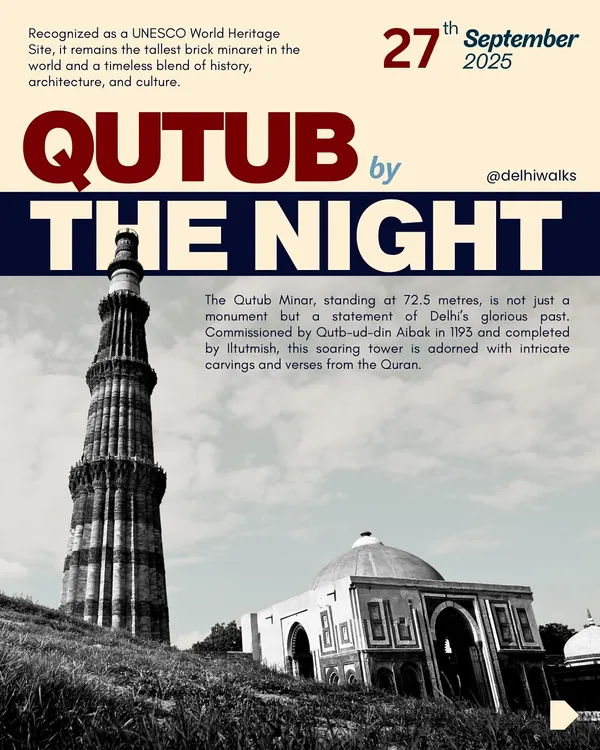
Exploring Delhi’s Monuments Under the Moonlight
 4
4
Meet the Storytellers Who Know Delhi Best
 12
12
Documenting Historical Sites in Delhi & Beyond
 37
37
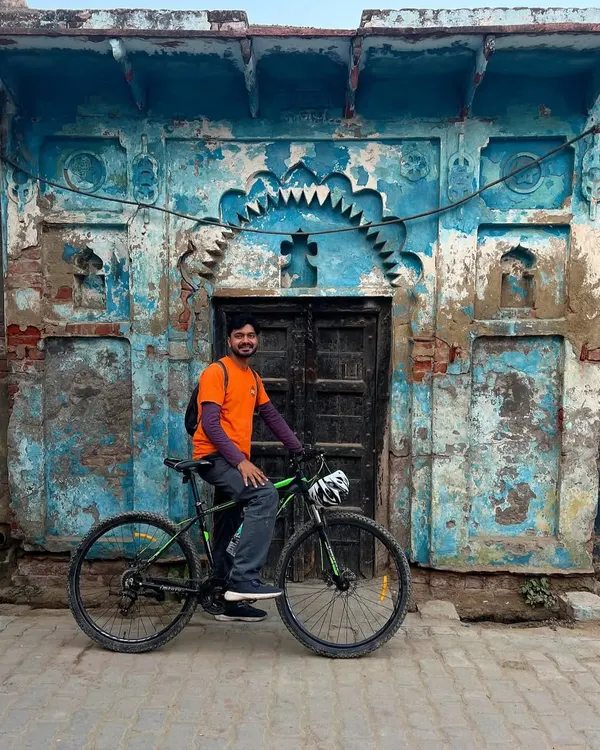
Scenic and Themed Cycling Adventures in Delhi
 11
11

Redefining Civic & Cultural Spaces in India
 27
27
Authentic Street Photography and Monument Moments in India
More from Heritage Walks & Historical Tours by Kanika Singh
More services by Kanika Singh