Rehabilitation for Chronic Conditions
Managing long-term health concerns requires more than just standard therapy. We combine clinical physiotherapy with Pilates to help you regain your independence and move with confidence.
This image introduces my complete fitness guide for managing Parkinson's Disease. My approach focuses on improving mobility, strength, and balance through targeted exercises to help clients maintain their independence and quality of life.
For clients with Parkinson's, I incorporate functional activities using tools like a stability ball. These exercises challenge balance and coordination in a safe, supported environment to improve motor control.
Deep breathing is a foundational exercise I teach clients with Parkinson's. It helps calm the nervous system, improve posture, and increase body awareness, which can be compromised by the condition.
Tandem walking, or walking heel-to-toe, is an exercise I use to improve balance and coordination for clients with neurological conditions like Parkinson's. It retrains the brain and body to work together for a steadier gait.
Simple movements like shoulder abduction are important for maintaining range of motion. This is a key part of my exercise protocol for clients with Parkinson's to prevent stiffness and maintain upper body function.
The straight leg raise is a fundamental exercise for strengthening the hip flexors and core without putting stress on the joints. I incorporate this into many rehabilitation programs, including for Parkinson's management.
Spot marching is an excellent exercise for improving balance and gait coordination. I use visual cues on the floor, as shown here, to help clients with Parkinson's improve their step length and rhythm.
For clients with Rheumatoid Arthritis, gentle movement is medicine. This video demonstrates safe, low-impact exercises like seated thoracic rotations and ball squeezes to reduce pain, maintain joint mobility, and stay active without causing a flare-up.
There are many myths surrounding osteoarthritis. This infographic debunks common misconceptions, explaining that exercise is beneficial, not harmful, and that pain is complex. I use this to educate clients and empower them to take an active role in their care.
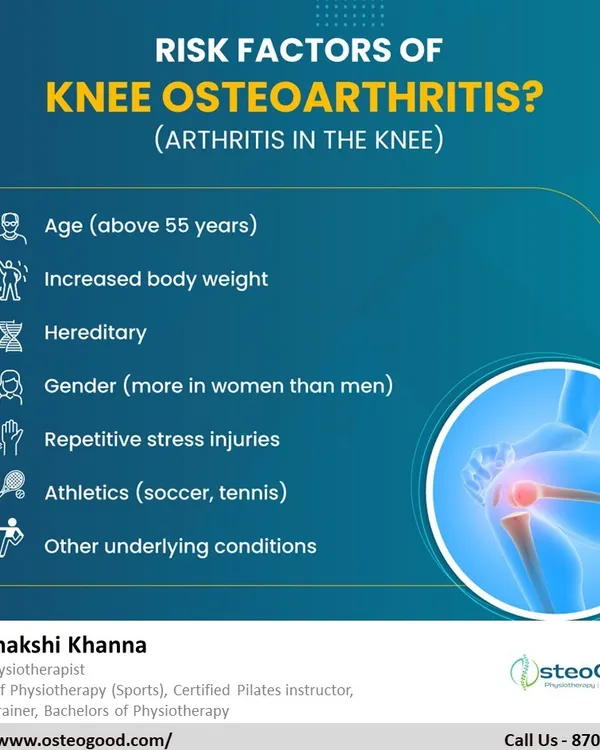
Prevention is key when it comes to osteoarthritis. This educational poster outlines the risk factors and highlights the most important modifiable factors: preventing joint injury and managing weight.
About Rehabilitation for Specific Conditions
You don't need to choose between pain relief and exercise. Our sessions start with a 60-minute clinical deep dive where we assess your gait, balance, and medical history to build a roadmap that is safe for your specific condition, whether you are dealing with Parkinson's, arthritis, or complex mobility challenges.
When you are living with a chronic condition, the goal of therapy should be more than just temporary relief. It must be about restoring your ability to engage with the world comfortably.
Our Clinical Approach
We move beyond treating symptoms. By integrating clinical physiotherapy with the precision of Pilates, we help your body relearn efficient movement patterns. Whether you are navigating the motor challenges of Parkinson's, managing the joint stiffness associated with Rheumatoid or Osteoarthritis, or addressing the discomfort of varicose veins, we prioritize safety above all else.
How We Support You:
- Parkinson's Management: We focus on gait mechanics, balance, and coordination. Using visual cues and functional exercises, we help maintain motor control and stability.
- Arthritis Relief: Exercise is often the best medicine for joint health. We utilize rhythmic, low-impact movements to lubricate joints and strengthen the surrounding muscles without aggravating inflammation.
- Mobility & Fall Prevention: We train your body to handle daily tasks, such as getting up from a chair or navigating uneven surfaces, reducing the fear and risk associated with falling.
- Root Cause Analysis: Every program begins with a thorough examination of your range of motion and functional strength. We don't guess; we measure your baseline so we can track your progress clearly.
Healing is not a passive process. It requires guided, intentional effort. Our studio in Vidyaranyapura provides a controlled environment where we monitor your fatigue, breathing, and form during every single repetition.
Similar work from other experts
Browse through Curated picks from other experts on mytribe
Clinical Pilates for Injury Rehab and Pain Management
Neurological & Post-Stroke Rehabilitation
 4
4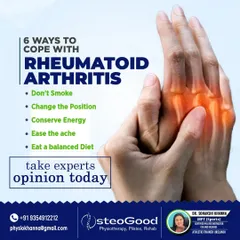
Managing Arthritis and Chronic Joint Pain
Post-Surgery & Injury Recovery Sessions
 13
13
Clinical Pilates for Pain Relief & Injury Rehab
Physio-Led Pain Relief & Corrective Exercises
More from Geriatric Fitness & Rehabilitation by Body & Mind PhysioPilates Studio
More services by Body & Mind PhysioPilates Studio