The Art of Asana: From Foundations to Advanced Poses
My asana practice is a moving meditation designed to build stability, strength, and mindful alignment. Whether you are starting with basic foundations or ready to explore advanced inversions, we focus on safe, steady progress.
Eka Pada Rajakapotasana (Pigeon Pose) is a deep hip opener that helps release stored tension and emotion. Practiced here outdoors, it’s a reminder to breathe into discomfort and find softness in the stretch.
Salabhasana (Locust Pose) is a powerful back-strengthening posture that prepares the body for deeper backbends. It engages the entire back of the body, improving posture and building stamina.
Uttanasana (Standing Forward Bend) is more than just a hamstring stretch. It calms the brain, helps relieve stress, and allows you to turn your awareness inward.
Bhujangasana (Cobra Pose) is a gentle, heart-opening backbend that increases spinal flexibility. It's a key part of the Sun Salutation sequence and feels wonderful for releasing tension in the upper back.
This variation of Virabhadrasana III (Warrior III) is a test of balance and focus. It strengthens the legs and core while teaching you to find stillness and stability on one foundation.
Prasarita Padottanasana (Wide-Legged Forward Bend) is an inversion that stretches the hamstrings, calves, and hips. It brings fresh blood to the brain, leaving you feeling refreshed and calm.
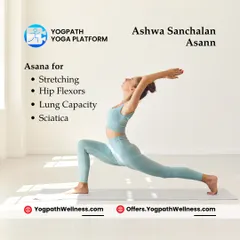
Anjaneyasana (Low Lunge) provides a deep stretch for the hip flexors and quadriceps. With arms reaching up, it becomes an uplifting pose that opens the chest and encourages a full, deep breath.
Ustrasana (Camel Pose) is a deep backbend that opens the entire front of the body. It's an energizing pose that can feel intense, so I always advise beginners to practice it with guidance.
Here is another perspective on Mayurasana (Peacock Pose) in a natural setting. This pose is a testament to the power of a dedicated practice, building incredible strength in the arms, wrists, and abdomen.
This challenging seated balancing pose, a variation of Tolasana (Scale Pose), requires lifting the body while in Padmasana (Lotus Pose). It cultivates deep core strength and a focused, unwavering mind.
About The Art of Asana: From Foundations to Advanced Poses
I prioritize safe alignment over depth, especially when you are working on advanced inversions like Sirsasana or backbends. Before we attempt any pose, I guide you through a warm-up sequence and specific mobility checks to ensure your body is ready, which is exactly why my beginners start with foundational stability rather than rushing into complex movements.
My approach to asana is never about forcing the body into a shape. It is about understanding the geometry of your own frame and finding freedom within it. Whether we are practicing a foundational Uttanasana (Standing Forward Bend) to calm the nervous system or building the core stability required for Mayurasana (Peacock Pose), the intention remains the same: to move with awareness and respect for your current limitations.
The Foundational Path
Every session begins with centering. We establish a connection to the breath before moving into active asanas. For beginners, this means focusing on the basics of Surya Namaskar or simple backbends like Bhujangasana (Cobra Pose). These are not just warm-ups; they are essential for preparing the spine and joints for deeper work.
Moving Toward Advanced Poses
When students feel ready to advance, we introduce variations that challenge balance and focus. This might include exploring Sirsasana (Headstand) with wall support or testing your center of gravity in a toe stand variation of Utkatasana (Chair Pose). Advanced poses are not the goal, but they are effective tools for developing discipline and proprioception. I ensure every transition is controlled and that you never compromise your breath for the sake of a pose.
Personalised Progression
In my private and small group sessions, I pay close attention to your individual alignment. If you are dealing with specific tightness or injury, we modify postures to keep you safe. My goal is to help you build a home practice that you can sustain, ensuring yoga becomes a language of liberation rather than just another item on your to-do list.
Similar work from other experts
Browse through Curated picks from other experts on mytribe
Mastering Yoga Asanas with Correct Alignment
Advanced Asana Practice
Master Your Yoga Asanas: Authentic Alignment for All Levels
Foundational Asanas for a Strong Practice
Advanced Yoga Poses: Strength and Alignment
The Path of Asana: Movement as Meditation
More from Holistic Wellness Coaching by Yognaman
More services by Yognaman