Tabla Riyaz and Practice Techniques
Daily practice, or riyaz, is the heartbeat of my musical life. These clips show my routine where I refine my speed, clarity, and traditional compositions.
A short clip of me practicing a Gat composition. Regular riyaz is essential to maintain the flow and precision required for such traditional pieces.
Practicing a 'Tishra Jati Chalan' in Teentaal. This exercise helps in mastering rhythmic patterns based on a cycle of three beats.
Here I have composed and am trying to play a 'Chand' in Trisra Jati. Composing helps deepen my understanding of the rhythmic structures within Indian classical music.
Trying out a beautiful composition by my Guruji on my brand new tabla. A new instrument always brings fresh inspiration to my riyaz.
Practicing a traditional Rela inspired by the legendary Ustad Afaq Hussain Khan Sahab ji. Studying the works of the old masters is a crucial part of my practice.
Exploring some 'Laggis' during a riyaz session. Laggis are lively, folk-inspired rhythmic patterns that are often used to accompany light classical and devotional music.
On the occasion of Ganesh Chaturthi, I tried to play a composition of Ustad Habibbudin Khan Sahab. Music is my form of prayer and offering.
A casual practice session at home. This is what most of my days look like, spending hours with my tabla, working on my craft.
A close-up view of my hands during riyaz. The goal is to make every stroke, or 'bol', sound clear and powerful.
About Riyaz & Practice Sessions
In these videos, you will see me working on Laggis and Tishra Jati rhythmic cycles. My riyaz is not just about speed; it is about achieving clarity in every bol. When I practice, I focus on the nuances of hand posture and tone, which is the same foundation I emphasize in my private mentorship sessions at my Mumbai studio.
Riyaz is more than just hitting the drum; it is a conversation with the instrument. Through these practice sessions, I explore different gharana styles, including Punjab, Delhi, and Farukhabad. Whether I am playing a traditional Rela or composing a new Chand in Trisra Jati, the goal is always to keep the tradition of my gurus, Pt. Yogesh Samsi ji and Ustad Allarakha Khan Sahab, alive.
Focus on Clarity
Notice how I focus on the tone of each stroke. This is essential for students. If you are learning, do not just run after speed. Speed is a byproduct of clarity. If your base strokes sound muddy, your fast playing will not hold weight.
Traditional Repertoire
I regularly practice Kayda, Gat, and Fard compositions. These are the building blocks of any classical performance. Studying the works of old masters like Ustad Afaq Hussain Khan Sahab is crucial for understanding how these patterns evolve.
Guidance vs. Practice
While I offer workshops and private classes, the truth is that riyaz remains your personal journey. I can guide your hand placement and correct your Nikas (tone) during our sessions, but the daily discipline must come from within. If you are looking to refine your technique, whether you are a beginner or looking to advance, these practice videos might give you a glimpse of how to structure your own routine.
Similar work from other experts
Browse through Curated picks from other experts on mytribe
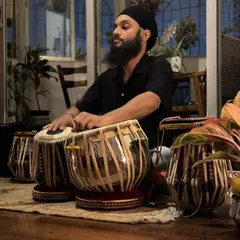
Tabla Ryaaz and Punjab Gharana Practice
Sitar and Surbahar Practice Sessions
The Art of Tabla: Solos and Traditional Practice
Sitar Riyaaz and Technique Demonstrations
Solo Tabla Performances & Rhythmic Explorations
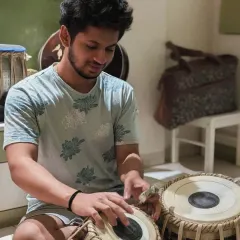
Riyaz: The Foundation of Punjab Gharana Tabla
More from Tabla Instruction & Workshops by Yashwant Vaishnav
More services by Yashwant Vaishnav