Mammals of the Indian Wilderness: Beyond the Big Cats
From the power of the Indian Gaur in Bandipur to the secretive Yellow-throated Marten in Corbett, our jungles hold stories far beyond the tiger. I invite you to see these lesser-known residents through my lens.
The Indian Gaur, the largest bovine in the world, appears to be flying across a jungle path in Bandipur. The sheer power and massive build of this animal are truly a sight to behold, a real giant of the forest.
A Sambar deer runs for its life after hearing the growl of a predator in Ranthambore. This is the daily drama of the jungle, a raw display of the instinct for survival that governs life in the wild.
A very rare sighting of a pair of Yellow-throated Martens during their courtship. These ferocious and shy animals are expert hunters, and capturing such an intimate moment in the unexplored Halduparao region of Corbett was a true privilege.
About Mammals of the Indian Wilderness
Spotting these mammals is not just about luck; it is about knowing the alarm calls and tracking the pugmarks in the early hours. When you join me on a safari, we do not just drive through the park. We stop to observe behavior and light, ensuring you get that eye-level shot you have been waiting for. My vehicles are restricted to four guests maximum, so you always have the physical space to move your lens when the action starts.
India's forests are often reduced to just 'tiger spotting' by tourists, but the real drama lies in the relationships between species. Whether it is a Sambar deer reacting to a predator’s call in Ranthambore or the intense courtship display of the Yellow-throated Marten in the Himalayan foothills, there is always a story unfolding.
Many people ask me why I spend hours waiting for a Sambar or a Gaur instead of rushing to the nearest tiger sighting. The answer is simple: these animals are the heartbeat of the forest. Without them, the ecosystem would collapse. When I photograph them, I look for the behavior, the running, the grazing, and the interaction. In the Halduparao region of Corbett, watching the Martens taught me that even the most ferocious small hunters have a rhythm you can capture if you are patient enough.
My approach to these expeditions is rooted in fieldcraft. We prioritize eye-level photography, which requires careful positioning of our Gypsy. We also avoid the crowded routes, preferring the quiet zones where wildlife behaves naturally. If you join one of my photography mentorships, we will spend our evenings not just reviewing images but discussing how to interpret animal movements based on the alarm calls of langurs and deer. It is a slow, observant way to travel, but it is the only way to truly understand the Indian wilderness.
Similar work from other experts
Browse through Curated picks from other experts on mytribe
Tracking Mammals Across the Indian Subcontinent
 12
12
Jungle Encounters: Mammals of the Forest Photography
 14
14
Forest Dwellers & Unique Encounters in the Wild
 14
14
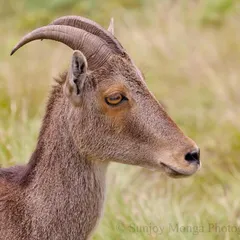
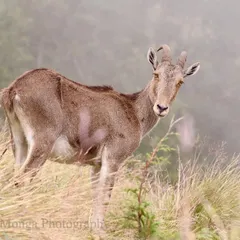
Mammals of the Ghats and Plains: Portraits from the Field
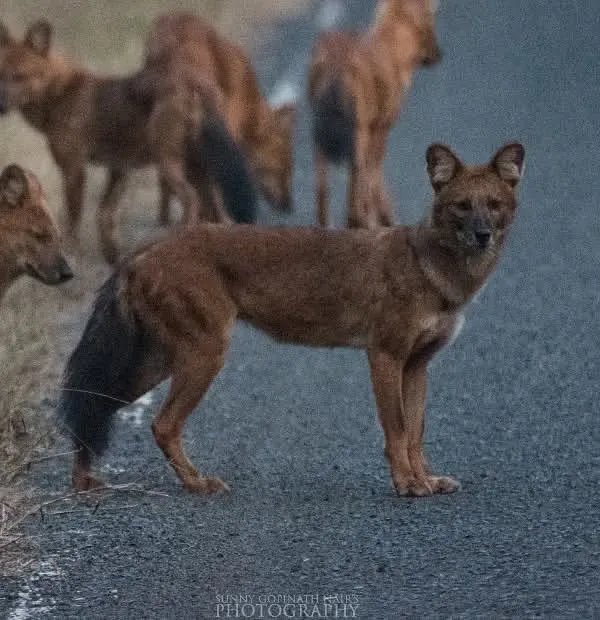 9
9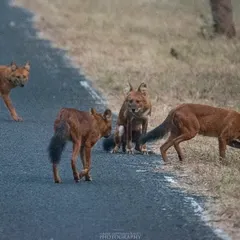
Mammals of the Indian Subcontinent
 91
91
Photographing Tigers in India's Jungles
More from Wildlife Photography Tours & Safaris by Vinod Goel
More services by Vinod Goel