Mammals of the Ghats and Plains: Portraits from the Field
From the misty, high-altitude grasslands of the Western Ghats to the dry, deciduous forests of Central India, each mammal tells a distinct story of survival. These images capture the candid, raw behaviors of our wild heritage.
The Lion-tailed Macaque, with its iconic mane, is a primate restricted to a narrow belt of evergreen forests. This individual's expressive face, framed by a fuzzy, rain-dampened mane, seems to hold the wisdom of its fragile habitat.
A close-up portrait of the Lion-tailed Macaque reveals its intense, intelligent eyes. This endangered primate, nicknamed the 'beard ape', is a symbol of the unique biodiversity of the Western Ghats.
The Nilgiri Tahr is a wild goat found only in the high-altitude grasslands of the southern Western Ghats. This portrait shows its elegant, back-curving horns and the calm, watchful eyes of a creature perfectly adapted to its wind-swept, rocky home.
A Nilgiri Tahr stands amidst the tall grasses, its form partially obscured by mist. With a total population estimated at no more than 3000, every sighting of this endangered animal feels like a privilege.
In the lowland jungles of Northeast India, the evening sun casts a magical glow on this Capped Langur. Its jewel-like, glowing eyes seem to speak of the magic and mystery of its arboreal world.
The Indian or Malabar Giant Squirrel can reach a length of three feet, tail included. This intensely colored, strictly arboreal creature adds a splash of rich maroon and black to the forest canopy of the Western Ghats.
A Malabar Giant Squirrel peers through the leaves, its bright eyes ever watchful. These spirited and highly vocal animals are a constant delight to observe as they navigate the high branches of the evergreen jungle.
The hard, woody shell of a Bael fruit is no match for the powerful jaws of a Sambar deer. It was quite a sight to watch this large deer break open the fruit to get at the nutritious pulp inside, a fascinating trial of life in the Central Indian wilds.
With a great effort, the Sambar deer manages to crack the Wood Apple. This behavior showcases the intelligence and persistence of wildlife in utilizing every available food source in their environment.
Two Spotted Deer stags lock antlers in a test of strength. While these fights can be intense, they are a crucial part of life in the wild, establishing dominance and ensuring the strongest genes are passed on.
About Mammals of the Ghats and Plains
These photographs are not just about the animal, but about the specific environment they call home. Whether I am tracking the Lion-tailed Macaque in its evergreen sanctuary or documenting the foraging behavior of Sambar deer in the central plains, I focus on the authentic narrative of the field rather than the pursuit of a static, perfect portrait.
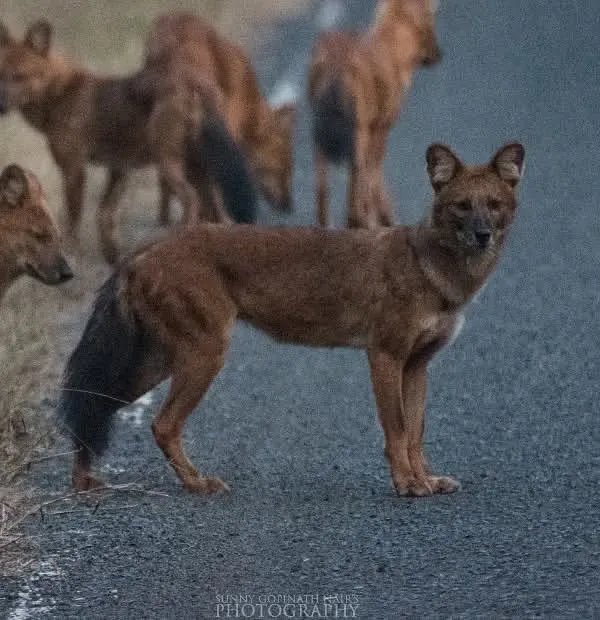
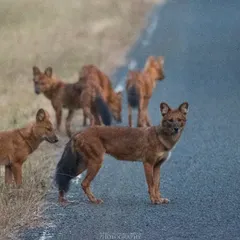
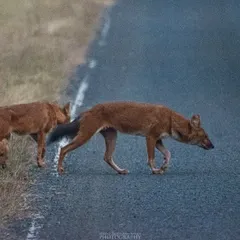
The Western Ghats and the plains of Central India are distinct theatres of nature. In the high-altitude grasslands, creatures like the Nilgiri Tahr have evolved to survive on steep, wind-swept crags. Contrast this with the Malabar Giant Squirrel, a creature of the lush canopy, or the Dholes I observed in Pench, whose complex social bonding rituals often look like aggression to the untrained eye.
My approach to these subjects is rooted in the patience of a naturalist. I do not simply aim for the camera to click; I wait for the behavior to unfold. Observing a Sambar deer crack open a woody Wood Apple is a reminder of the intelligence and persistence required to thrive in harsh deciduous wilds.
I treat every project as a piece of natural history. Whether I am documenting the plight of an endangered primate like the 'beard ape' or observing the social sparring of Spotted deer, my goal is to translate these field encounters into stories that hold value. If you are looking for wildlife photography that moves beyond the surface to highlight ecology, behavior, and the realities of conservation, I am available to bring these stories to your editorial features or photo-essay series.
Similar work from other experts
Browse through Curated picks from other experts on mytribe
Tracking Mammals Across the Indian Subcontinent
 9
9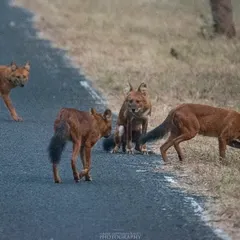
Mammals of the Indian Subcontinent
 7
7
Authentic Wildlife Encounters and Nature Photography
 15
15
Giants of the Land
 11
11
Wildlife Habitat Photography and Natural Stories
 12
12
Jungle Encounters: Mammals of the Forest Photography
More from Nature Writing & Content Creation by Sunjoy Monga
More services by Sunjoy Monga