Effective Acne Scar Treatment in Bangalore
Understanding your scar type is the first step toward effective treatment. At Vasavi Skin Center, we move beyond one-size-fits-all fixes to diagnose whether you have ice pick, boxcar, or rolling scars, ensuring your treatment plan actually repairs your skin.
In this video, I explain that not all acne scars are the same. I break down the different classifications, from deep ice pick and boxcar scars to rolling and raised hypertrophic scars. Understanding the specific type of scar you have is the most critical first step, as it dictates which combination of treatments will be most effective.
This guide illustrates the primary types of acne scars I treat. It is important to distinguish between atrophic scars like ice pick, boxcar, and rolling types, which are depressions in the skin, and hypertrophic or keloid scars, which are raised. Each requires a different therapeutic strategy for optimal results.
This image introduces the topic of identifying different types of acne scars. Learning how to see the difference between them is the first step toward finding the best treatments to restore smooth, even skin.
Atrophic scars, or depressed scars, form due to a loss of collagen during the healing process. This image shows a close-up of this scar type and further classifies them into boxcar, rolling, and ice pick scars, each with a unique shape and depth.
Hypertrophic and keloid scars are the opposite of atrophic scars. They form when the skin produces too much collagen during healing, leading to thick, raised bumps. Hypertrophic scars stay within the original acne site, while keloids can extend beyond it.
Post-Inflammatory Hyperpigmentation (PIH) appears as dark marks left after acne heals. While not true scars, as they don't affect skin texture, these spots can be persistent. I offer treatments to speed up their fading and restore an even skin tone.
This video addresses Acne Excoriée, a condition where compulsive picking of acne lesions leads to significant skin injury, pigmentation, and deep scarring. I explain the importance of avoiding this habit and outline a management plan that includes gentle application of prescribed creams and consistent sunscreen use to prevent further damage.
About A Guide to Acne Scars
I strongly discourage jumping straight into laser sessions without a proper scar mapping. During our consultation at the Thanisandra clinic, we first classify your scars—whether they are atrophic like ice pick and boxcar, or raised hypertrophic types—because a fractional CO2 laser might be perfect for deep rolling scars but ineffective for others. We need to identify your specific scar depth and skin type to decide between options like subcision for tethered scars or chemical peels for surface texture, ensuring we do not waste time or money on the wrong approach.
Mapping Your Acne Scars
Acne scars are not a monolithic issue. They are structural changes in your skin caused by inflammation. Before we even discuss a laser or peel, we must distinguish between:
-
Atrophic Scars: These are depressions or dents in the skin.
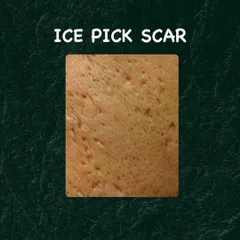
- Ice Pick Scars: Deep, narrow, and often mistaken for open pores. These require treatments that can penetrate deep, like TCA Cross.
- Boxcar Scars: Sharper, broader depressions that respond well to skin resurfacing.
- Rolling Scars: Caused by fibrous bands pulling the skin down. These are notoriously difficult and often require subcision to release the tension before surface treatments can work.
-
Hypertrophic & Keloid Scars: These are raised bumps caused by over-active collagen production during healing. Standard resurfacing here is risky, so we often use intralesional injections to flatten them first.
Why a Multi-Modality Approach?
Most patients come in with a mix of these scar types. This is why I advocate for a multi-modality approach. Treating a rolling scar with a chemical peel will yield zero results because the issue lies beneath the surface. Conversely, treating simple surface pigmentation with heavy-duty lasers is overkill.
My Process
My protocol involves a thorough skin mapping during your initial visit. We review your hormonal history and past habits—like skin picking, which leads to acne excoriée—to ensure the scars do not return. Once we have a plan, we move through phases: prepping the skin, performing the primary procedure, and finally, supporting your recovery with medical-grade care. You are not just getting a procedure, but a tailored roadmap to recovery.
Similar work from other experts
Browse through Curated picks from other experts on mytribe
Treating Acne Scars and Enlarged Pores
Acne and Scar Treatment in Bengaluru
 12
12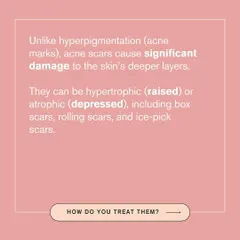

Acne Scar Treatment & Texture Correction
Advanced Acne Scar Treatments in Bengaluru
Effective Acne and Scar Revision Treatments
 4
4

Scar Revision and Resurfacing
More from Acne & Scar Treatment by Sree Vasavi