Wildlife Photography Tips: Master Technique Over Gear
Stop worrying about having the most expensive lens. Real wildlife photography is about patience, understanding the light, and mastering the settings you already have.
People say you can't take sharp photos with a crop-sensor camera like the Nikon Z50. These shots of a Tickell's Blue Flycatcher and a Painted Stork prove that it's more about technique than gear.
The camera settings for my portrait of the female White-bellied Blue Flycatcher. A slow shutter speed was possible due to the bird's stillness.
The camera settings used to photograph the Heart-Spotted Woodpecker.
A look at the settings used to capture the tiny Indian White-eye.
The technical details behind my shot of the Black-throated Munia.
About Gear, Tips, and Techniques
People think you need an expensive lens to get that sharp, professional look, but that is not true. Whether you are shooting with a crop-sensor Nikon Z50 or a high-end Z8, the real magic happens when you master your shutter speed and fieldcraft. If you can get close, be patient, and understand how light hits your subject, your photos will change instantly. No new gear required.
Moving From Auto to Manual
The biggest leap you can make is moving away from Auto settings. In my workshops, we work on taking full control of your ISO and shutter speed. When you are shooting in the golden hour, understanding how to manage your light—and knowing when to use rim-lighting or bokeh—is what makes a photo stand out.
Why Your Gear is Enough
I often use the Nikon Z50. It is a crop-sensor camera, yet it captures sharp details of everything from a Painted Stork to a flycatcher. The secret is not in the sensor size, but in understanding your limitations. We teach you how to optimize mid-range lenses, use back-button focus, and manage action shots without needing the latest body.
The Art of Fieldcraft
Photography is only half the battle. If you rush, the subject leaves. We focus heavily on:
- Patient observation: How to sit still and wait for the bird to act naturally.
- Silent movement: Reducing your footprint to get closer to sensitive species.
- Ethical shooting: Why it is crucial to observe behavior without disturbing the habitat.
Common Questions:
- Do I need a 600mm lens to start? No. We teach techniques to maximize the gear you have right now.
- Can you help with post-processing? Yes. My workshops often include image review sessions where we look at your shots from the field and discuss how to refine them in editing.
Similar work from other experts
Browse through Curated picks from other experts on mytribe
 7
7
Wildlife Photography: Mastering Light and Composition
 19
19
Creative Wildlife Photography: Mastering Light and Mood
Wildlife Photography & Fieldcraft Stories
A Peek Behind My Pet Photoshoots
 6
6
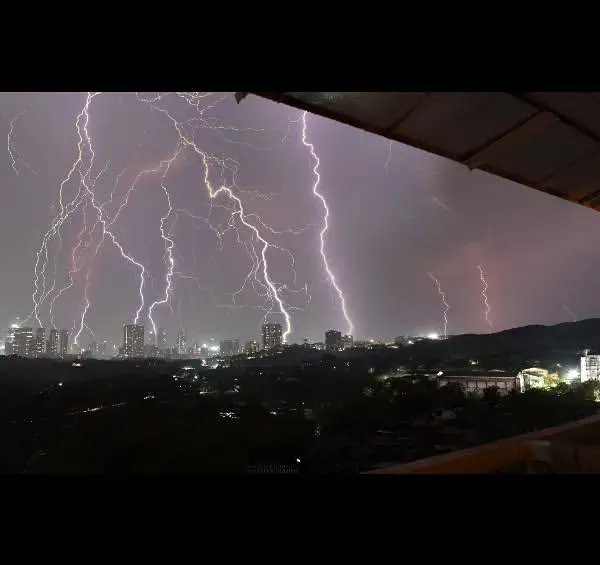
Chasing Storms and Stars Nature Photography
Creative Stop Motion Tutorials & Product Photography Hacks
More from Wildlife Photography Expeditions & Workshops by Tushar Tandel
More services by Tushar Tandel