Understanding Your Postpartum Recovery Journey
Postpartum recovery is a transition involving significant hormonal shifts, physical fatigue, and deep physiological changes. Learn the science behind what your body is experiencing so you can heal with confidence.
Your healing deserves support. This graphic outlines the key areas our postnatal programs focus on: pelvic floor recovery, core healing, hormonal balance, and rebuilding confidence.
This part of our healing timeline focuses on weeks 6-12. It covers the doctor check-up, ongoing tissue healing, and the gradual return of strength, recommending pelvic floor friendly moves.
This graphic details the first two weeks of postpartum recovery, explaining what happens immediately after birth with uterine contractions and hormonal shifts, and what to expect as your energy slowly returns.
This cover image introduces our guide to postpartum healing, "What to Expect & When." It sets a tone of gentle, informed recovery, reminding you that healing takes time.
You don't need a diet, you need support. This graphic addresses postpartum weight gain by highlighting our approach: expert designed fitness, hormone balancing movement, and realistic plans for real moms.
This graphic explains the reasons behind postpartum weight gain. It details how hormones are in flux, lack of sleep messes with metabolism, and how having no time for yourself plays a major role.
Still gaining weight after giving birth? You're not alone, and there's a reason. This text graphic validates a common concern and reassures you that we know the fix.
This is the cover for our series on postpartum weight gain. It directly addresses a common question and pain point for new mothers, inviting them to learn more.
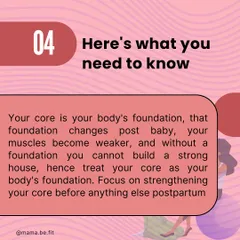
This graphic explains why specialized postpartum movement is so important. Your core is healing, your hormones are shifting, and your pelvic floor is regaining strength. Movement needs to be designed for your body, not forced onto it.
This graphic explains that postpartum hair loss is normal and not permanent. It's caused by a sharp drop in estrogen, but supportive movement, good nutrition, and stress reduction can help rebalance your hormones.
About Your Postpartum Guide: What to Expect
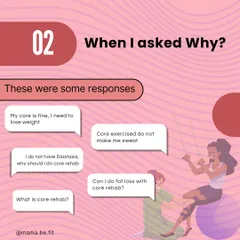
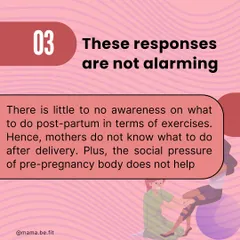
Many of us are told we should be 'back to normal' by the six-week checkup, but the reality of recovery is a much longer, gentler process. Internal healing, hormonal rebalancing, and restoring your core strength take months, not weeks. This guide breaks down the specific physiological shifts—like fluctuating estrogen levels or pelvic floor weakness—so you can prioritize the right kind of support for your body, rather than rushing into high-intensity exercise before you are ready.
The Postpartum Recovery Timeline
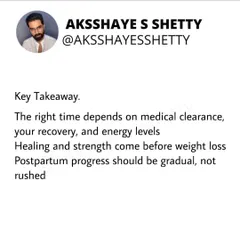
Recovery isn't a deadline. It is a series of milestones that your body moves through at its own pace.
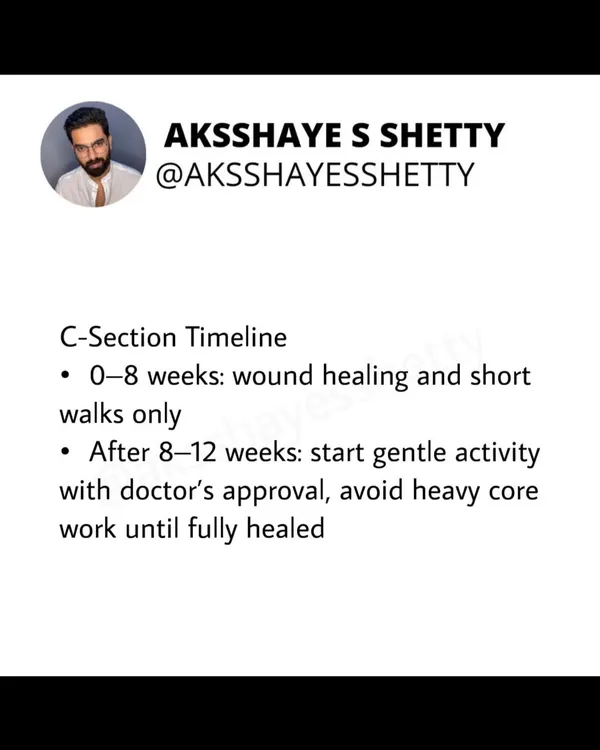
- 0–6 Weeks: Your body focuses on immediate tissue healing, uterine contraction, and adjusting to drastic hormonal drops. This is a time for rest and basic breathwork, not intense training.
- 6–12 Weeks: This is typically when you have your first check-up. We shift focus to pelvic floor activation and gentle mobility, addressing stiffness from feeding and carrying your baby.
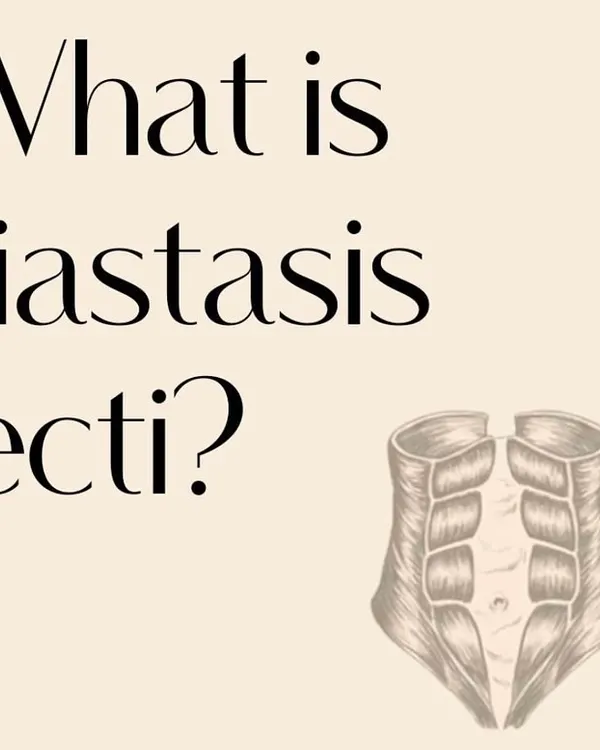
- 3–12 Months: This phase is about rebuilding functional strength. We move into structured core rehab to address issues like diastasis recti (abdominal separation) and rebuild foundational stability.
Why Hormones Matter
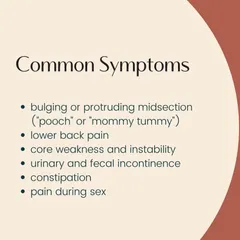
Postpartum changes aren't just about weight or physical appearance. Sharp drops in progesterone and estrogen often trigger fatigue, mood swings, and hair loss. Recognizing that these symptoms are hormonal, not a personal failing, is the first step toward feeling like yourself again. Our approach at Tribher includes hormone-friendly movement patterns that focus on cortisol management and nervous system regulation, helping you navigate these shifts without adding undue stress to your body.
Moving Smarter, Not Harder
Forget the obsession with 'bouncing back' to your pre-pregnancy weight. Instead, we focus on 'building back.' This means prioritizing:
- Pelvic Floor Health: Functional strengthening to address incontinence or pressure.
- Core Repair: Moving away from traditional crunches that can worsen abdominal separation and toward deep-core engagement.
- Sustainability: Exercises that fit into the chaotic, fragmented schedule of new motherhood, ensuring consistency without burnout.
Similar work from other experts
Browse through Curated picks from other experts on mytribe
Understanding Your Postpartum Body: A Realistic Guide
 8
8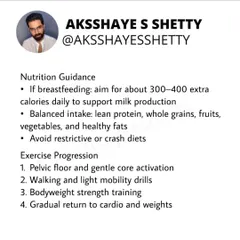

Postpartum Recovery: Gradual Fitness and Healing
 7
7


Navigating the Fourth Trimester and Postpartum Recovery
Postpartum Recovery and Care for New Mothers
Postpartum Recovery Plan: A No-BS Approach
 8
8

Navigating Your Postpartum Body Changes
More from Postnatal Recovery Program by Tribher
More services by Tribher