Guided Strength Training and Safe Spotting
Getting stronger is not just about heavy weights, it is about how you move them. Learn to push your limits without the risk of injury.
Training with a partner is a great way to stay motivated. Here, I am working out with a friend, pushing each other on deadlifts and lat pulldowns. A good training environment is key to long term success.
A close-up look at spotting a heavy bench press. My focus is entirely on the lifter's safety, ready to assist at the first sign of struggle. This allows the lifter to focus only on the push.
This was a high-intensity session with a training partner, featuring heavy barbell and dumbbell presses. My role as a coach often involves being a workout partner who pushes you to do more than you thought possible.
This is what a deload week looks like. I'm performing overhead presses with lighter weight to give my body time to recover. I build planned deload weeks into my programs to prevent overtraining and ensure consistent gains.
A spotter is crucial for safety and confidence, especially on a lift like the bench press. This video shows my training partner providing a spot, allowing me to push for more reps without fear of failure.
About Guided Training & Spotting
Most gym injuries happen because of ego, not because the weight is too heavy. When I spot you, it is not just to save you from a failed rep. It is to ensure your spine is neutral, your bar path is efficient, and you are not compensating. We identify and fix the weak links in your movement pattern before we even think about loading the bar for a personal record.
Building real strength requires a mix of intensity and intelligence. It is the long game. My approach to guided training goes beyond simply standing behind you while you bench press.
Why Proper Spotting Matters
A spotter is your safety net, but also your technical coach. I watch your movement in real-time. If your knees cave during a squat or your hips rise too early in a deadlift, I will tell you. Spotting is about creating an environment where you feel safe enough to push closer to failure without the fear of getting crushed. This mental confidence allows for actual physiological growth.
The Science of Deload Weeks
People love to go hard, but they hate to rest. If you want to keep gaining strength, you have to manage fatigue. I program specific deload weeks where we reduce volume or intensity. This is not a break; it is a strategic training phase that allows your joints and central nervous system to recover so you can hit your next PR (personal record) without being broken.
Fixing the Foundation
Before we chase big numbers, we check the basics. I use video tracking technology to analyze your bar path and movement mechanics. Whether it is ankle mobility or a weak posterior chain, we fix the mechanical fault first. Once the foundation is solid, the weight will move better, and your risk of injury drops significantly.
This is not for people looking for a cheerleader. This is for lifters who are ready to stop guessing and start training with purpose.
Similar work from other experts
Browse through Curated picks from other experts on mytribe
Build Your Strength with Expert Guidance
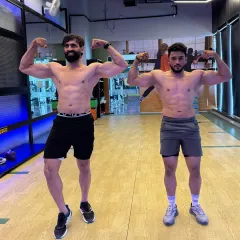
Intense Strength Training in Greater Noida
Master Your Strength and Weightlifting Technique
Advanced Strength and Conditioning for Sustainable Growth
Powerlifting & Weight Training with Real Form Focus
Master Deadlifts and Squats Safely
More from Injury Prevention & Corrective Exercise by Ranit Roy
More services by Ranit Roy