Listen to Your Body: Ayurvedic Signals for Better Health
Your body is constantly communicating with you, but are you listening? Discover how simple Ayurvedic observations, from tongue analysis to digestive health, can help you uncover the root causes of imbalances.
Your poop is your body's daily health report. This guide decodes what different types of stool say about your digestion, hydration, and overall gut health, from the ideal banana-shaped form to signs that indicate an imbalance.
In Ayurveda, the tongue is a mirror to your internal health. I explain how to read the signs on your tongue, such as cracks, coatings, or discoloration, to understand imbalances in your heart, digestion, and doshas.
Gastric issues are often a sign of poor gut health. In this discussion, I explain the role of your digestive fire (Jatharagni), the impact of processed foods, and how imbalances in Vata, Pitta, and Kapha doshas can affect your digestion.
What you eat directly affects your body's natural scent. This guide lists foods that help prevent body odor from within, such as citrus fruits, green leafy vegetables, and probiotics like plain curd, which work as internal cleansers.
Just as some foods promote freshness, others can cause body and vaginal odor. This infographic explains how foods like garlic, red meat, sugary items, and coffee can disrupt your body's pH and microbiome, leading to unwanted odor.
About Listen to Your Body: Ayurvedic Insights
Instead of guessing why you feel bloated or sluggish, look at the clues your body provides every day. If you notice a thick coating on your tongue or undigested food in your stool, these are not random occurrences, they are specific signals of your digestive fire (Jatharagni) being out of balance. By identifying your current state now, you can immediately switch to the right Sattvik cooling or warming foods, rather than waiting for a minor discomfort to become a chronic health issue.
Understanding Your Internal Mirror
In Ayurveda, your body is a map. Dr. Hansaji often teaches that the key to wellness isn't found in a pill, but in observing your own physiology.
Reading Your Body's Clues:
- The Tongue: Think of it as your internal mirror. A healthy tongue should be light pink and moist. If you see cracks at the tip, it may indicate heart congestion; a thick white coating often signals a Kapha imbalance, suggesting you need warmer, lighter foods like millets or khichdi.
- Digestive Health: Your stool is your daily health report. Hard lumps indicate excess dryness (Vata), while loose, watery stools suggest excess heat (Pitta). The goal is soft, smooth, banana-shaped stools, which confirm that your Jatharagni (digestive fire) is functioning optimally.
Why Gut Health Matters
Modern habits like frequent microwaving, eating leftovers, and consuming processed, high-sodium foods destroy good gut bacteria and weaken your digestive fire. When your Jatharagni is weak, you experience gas, acidity, and fatigue.
Instead of rushing to suppress these symptoms, we focus on balancing your doshas—Vata, Pitta, and Kapha. Whether you are dealing with body odor, which often stems from improper toxin elimination, or persistent bloating, the solution starts in your kitchen. By adjusting your Ahar (diet) and Vihar (lifestyle) to match your specific body type, you stop fighting your body and start supporting its natural ability to heal itself.
If you are tired of the cycle of medication and want to understand the 'why' behind your health struggles, it is time to look inward. Let us help you decode what your body is trying to tell you.
Similar work from other experts
Browse through Curated picks from other experts on mytribe



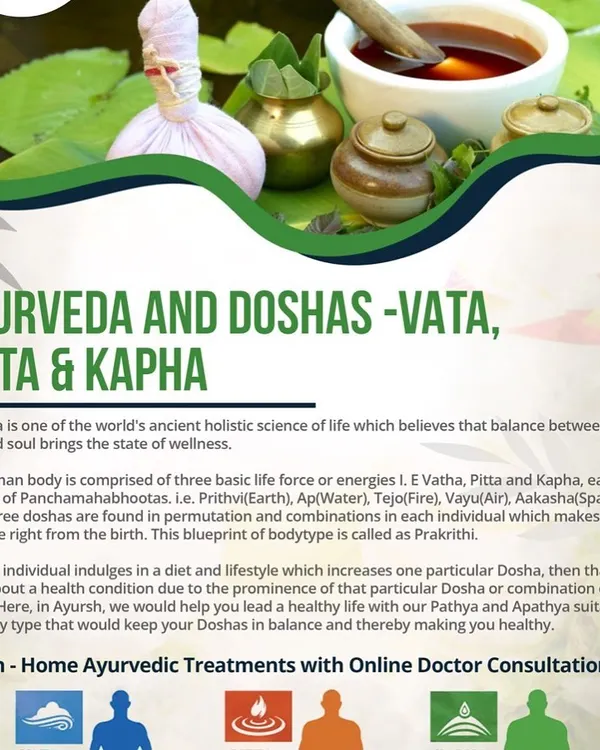
Ayurveda Explained: Understanding Your Doshas & Body
 18
18


Ayurveda 101: Decode Your Body’s Unique Blueprint
Ayurvedic Wisdom for Modern Life
 12
12


Eating for Your Dosha: An Ayurvedic Approach to Wellness
 4
4
Understanding Ayurveda and Your Body Type

Ayurveda and Mindful Eating: Practical Habits for Better Digestion
More from Diet & Nutrition Guidance by Hansa Yogendra
More services by Hansa Yogendra