Decoding Dog Communication
Your dog talks to you every day without saying a word. Learning to read their body language—from ear position to tail wags—turns frustration into a deeper bond.
Dogs say so much without ever making a sound. In this interaction on the street, you can see a complex, silent conversation happening. Learning to read these cues, like tail carriage and body posture, helps you understand what your dog is feeling.
My own dog, Ezra, is highly sensitive to touch. This journey has taught me so much about consent and body language. We worked on it not with treats, but by giving him space, understanding his signals, and never forcing interaction.
Not all "play" is equal. In this video, a puppy's energetic zoomies were overwhelming for my older dog, Arya. She uses subtle mouthing and calming signals to communicate her discomfort. It's important to supervise play to ensure both dogs are truly enjoying it.
This dog is showing conflicting emotions. He approaches me but also squints and licks his lips, signs of uncertainty. Understanding this non-verbal communication is key to building trust and not pushing a dog past their boundaries.
This is Lucy, a dog who has boarded with me a few times. Look at her body language. Is she relaxed or is she feeling a bit unsure? Observing details like her ear position, eyes, and posture can tell you a lot about her emotional state.
Dog parks can be tricky. What looks like play can sometimes be bullying. In this clip, one dog is relentlessly pursuing and trying to hump the other, who is not enjoying the interaction. It's crucial to intervene in these situations to prevent a negative experience.
Does your dog "only listen when they want to"? Often, it's not disobedience. The environment might be too stimulating for them to focus. Here, I show how I make things easier for my dogs when they are struggling to respond to a cue.
About Decoding Dog Communication
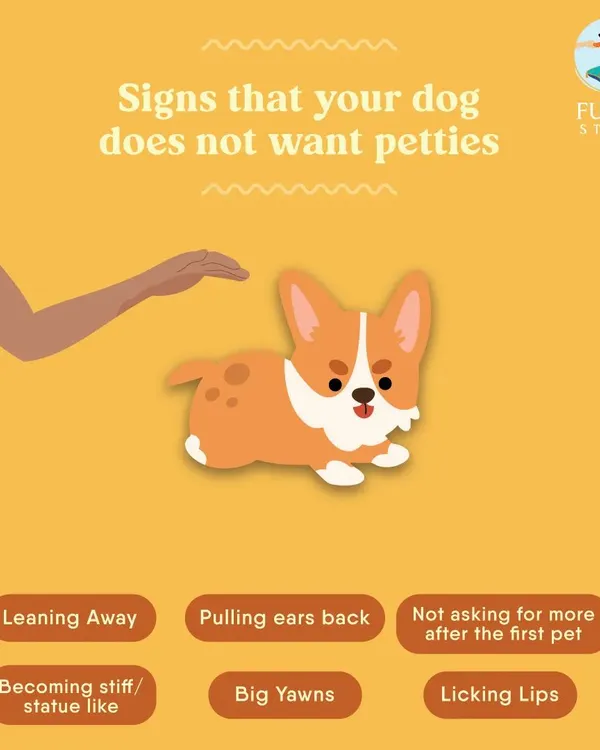
Most people miss the subtle calming signals a dog gives when they are overwhelmed. If you see your dog licking their lips or turning their head while you are petting them, they are often politely asking for space, not affection. Understanding these tiny, silent requests is the first step to stopping unwanted behavior before it starts, rather than trying to fix it later.
Many pet parents feel like their dog is being disobedient or just ignoring them. In my experience working with dogs across Gurgaon, it is rarely about defiance. Usually, the dog is simply overwhelmed by their environment or expressing a need you haven't picked up on yet.
Why Behavior is Communication
Think of every bark, growl, or wag as a sentence. If your dog is squinting or hiding their ears while you try to train them, they are not being stubborn—they are telling you they are stressed or in pain. My philosophy is simple: force-free training starts with listening. When we force dogs into positions they aren't ready for, we break trust.
What to Watch For
- The 'Play' Trap: Not all wrestling is play. If one dog is trying to disengage or is showing 'whale eye' (where the whites of the eyes are visible), it is not fun for them. It is crucial to step in before the interaction becomes traumatic.
- Touch Sensitivity: Some dogs are inherently sensitive to touch. Respecting their boundaries means waiting for them to invite interaction, which ultimately makes them more comfortable and less reactive in the long run.
- Environmental Overload: If your dog cannot listen to a cue like 'sit' or 'stay,' check the room. Is there too much noise? Are they hungry? Sometimes the environment is just too stimulating, and the kindest thing you can do is lower your expectations for that moment.
I don’t believe in 'fixing' dogs. I believe in giving them the agency to communicate what they need. Whether it is separation anxiety or general reactivity, we start by decoding their language. Once you understand what they are saying, you won't need to control them—you will just need to listen.
Similar work from other experts
Browse through Curated picks from other experts on mytribe
Understanding Your Dog's Body Language

Understanding Canine Communication
Understanding Your Dog's Language
Understanding Your Dog's Mind and Behavior
 6
6

Decoding Your Pet's Behavior
 6
6Reading Your Dog: Understanding Canine Body Language
More from Dog Boarding & Residential Training by Aishani Mathur
More services by Aishani Mathur