Reading Your Dog: Understanding Canine Body Language
Dogs don't use words, but they are always talking. Learning to interpret your dog's subtle signals is the first step to building a deeper, more trusting relationship.
Can you tell when a dog is uncomfortable? Misreading signals is a common mistake that can lead to problems. A core part of my training is teaching you to accurately read canine body language, so you always know what a dog is truly feeling.
This puppy is showing several "calming signals" like panting and "puppy eyes" to cope with the stress of the bed being cleaned. Recognizing these subtle cues is the first step to helping a dog feel safe and avoiding bigger reactions.
Once I identified Rusty's fear of the bed being dusted, I started a desensitization process. Using his favorite toy, I slowly helped him build positive associations with the activity. It takes patience, but the result is a more confident dog.
A growl is not aggression; it's communication. Here, Mia is growling playfully, but it's a good example of a signal we should listen to, not punish. Understanding the context of a growl is key to responsible dog handling.
If you feel a dog "just won't listen," it's often due to one of three things: unrealistic expectations, incorrect reward timing, or asking for too much in a stressful environment. My workshop helps you troubleshoot these common issues.
Have you ever seen a dog twitch in their sleep? This is a normal part of their dream cycle and nothing to worry about. It's best to let a sleeping dog lie and complete their rest.
About Reading Your Dog: Body Language & Behavior
I don't just teach you tricks; I teach you how to see the 'why' behind the behavior. For example, if your dog is pacing or lip-licking when guests arrive, they aren't being naughty or over-excited. They are likely feeling overwhelmed and are trying to ask for space. My workshop helps you identify these specific cues before they escalate, so you can step in and advocate for your dog, making life calmer for everyone at home.
Many people assume that a dog who doesn't listen is being stubborn, or that a growl is always an act of aggression. In reality, canine communication is nuanced and often misunderstood. When we rely on quick fixes or outdated dominance theories, we miss the signals our dogs are sending us every single day.
Why Body Language Matters
Learning to read canine body language isn't just a party trick. It is a safety and welfare issue. A dog who is lip-licking, showing whale eye, or leaning away is telling you they are uncomfortable. If we ignore these signs, we force the dog into a situation they cannot handle, which often leads to fear, anxiety, or defensive reactions later on.
The 'Relationship-Based' Approach
My training philosophy moves away from the idea of 'perfect obedience' and focuses on a partnership. Whether you are dealing with a puppy, an adopted adult, or a senior dog, the goals remain the same:
- Building Trust: Understanding when your dog needs space rather than constant petting.
- Desensitization: Helping dogs cope with everyday household stressors, like the sound of the vacuum or having their bed cleaned.
- Advocacy: Learning when to step in as a pet parent to protect your dog's emotional well-being.
How We Learn
Whether you join my online behavior theory workshop or the in-person masterclass in JP Nagar, we focus on real-world application. You will see video breakdowns of real behavior and learn how to manage multi-dog households or stressful environments. If you are ready to stop guessing what your dog is feeling and start truly communicating, I am here to help you get there, one patient step at a time.
Similar work from other experts
Browse through Curated picks from other experts on mytribe
Understanding Your Dog's Language
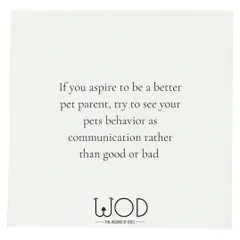
What Is Your Dog Really Saying? Decode Your Pet's Body Language
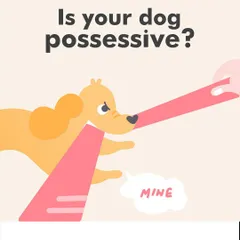
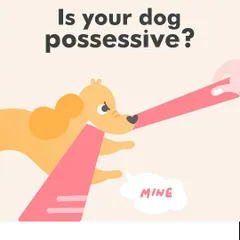

Understanding Canine Communication
Understanding Your Dog's Body Language
 6
6

Decoding Your Pet's Behavior
Understanding Your Dog's Mind and Behavior
More from Pet Sitter & Home Boarder Training by Furry Story
More services by Furry Story