Understanding Canine Communication
Ever wonder what your dog is really saying when they tilt their head or yawn? I help you decode these subtle signals so you can finally speak the same language.
We've all seen "guilty dog" videos, but is that what's really happening? In this clip, I explain that what we interpret as guilt is often a series of calming signals, like lip licking, in response to our tone of voice. Understanding this helps us react with empathy instead of frustration.
Does your dog get possessive over toys or food? This behavior is called resource guarding. This graphic is the start of a guide I created to help you understand why dogs do this and how to manage it safely.
Does your dog get possessive over toys or food? This behavior is called resource guarding. This graphic is the start of a guide I created to help you understand why dogs do this and how to manage it safely.
Building trust is the key to managing resource guarding. This image promotes my detailed guide on the topic, which walks you through five chapters of preventative exercises and management techniques to help your dog feel more secure.
Building trust is the key to managing resource guarding. This image promotes my detailed guide on the topic, which walks you through five chapters of preventative exercises and management techniques to help your dog feel more secure.
About Understanding Canine Communication
Often, what we label as guilt or stubbornness is actually your dog trying to de-escalate a situation or cope with stress. I teach you to spot these calming signals, like lip licking or tense body posture, early on so you can address the root cause rather than reacting to the symptom.
Dogs communicate every single second of the day. They do not use words, but they are constantly talking through their body language, ear positions, tail movements, and eye contact. Misunderstanding these signals is where most training problems begin. When a dog shows stress, we might mistake it for aggression or disobedience.
My approach to teaching canine communication is based on observing these subtle cues. During our sessions, we look at your dog's posture, facial expressions, and reaction to their environment. For example, a yawn might not mean they are tired, and a wagging tail does not always equal a happy dog. I help you interpret these specific actions based on the context of the situation.
In our Bangalore-based home visits or online consultations, we build a communication framework that moves beyond basic commands like sit or stay. We focus on:
- Identifying calming signals that indicate your dog is feeling overwhelmed.
- Understanding body language changes during walks, such as when they spot a trigger.
- Learning to read signs of resource guarding before they escalate.
- Adjusting your own body language to appear more approachable and non-threatening to your pet.
This process is about creating a dialogue. When you know how to read your dog, you stop being a strict instructor and start being a partner who understands their needs. This change in perspective reduces tension in the home, improves walking behavior, and strengthens the trust between you and your companion. If you are ready to stop guessing and start understanding, we can work together to build that language.
Similar work from other experts
Browse through Curated picks from other experts on mytribe
Understanding Your Dog's Mind and Behavior
Understanding Your Dog's Body Language
What Is Your Dog Really Saying? Decode Your Pet's Body Language
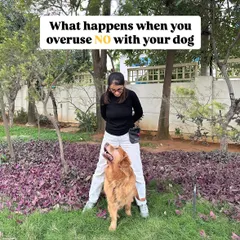
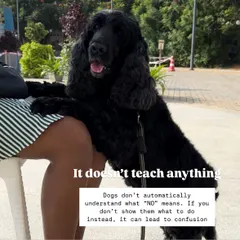
Understanding Your Dog's Behavior and Body Language

Reading Your Dog: Behavior and Communication Coaching
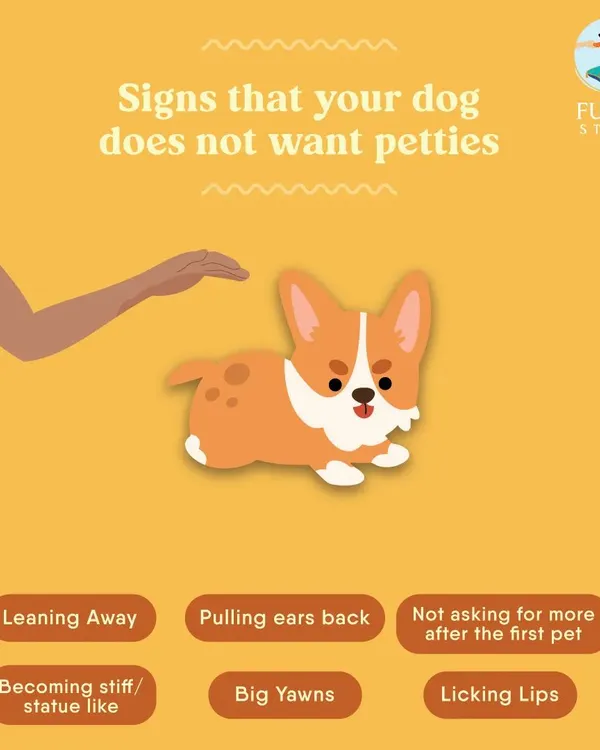 6
6Reading Your Dog: Understanding Canine Body Language
More from Dog Behavior Consultation & Training by Shivani Kuthe
More services by Shivani Kuthe