Force-Free Dog Training Techniques for Better Communication
See how we move past control to build real trust. These techniques help your dog feel safe, heard, and ready to learn.
For reactive dogs, early morning walks can be a game-changer. The quiet environment with fewer triggers allows them to relax and sniff, which is incredibly enriching. It turns a stressful experience into a pleasant one.
Introducing dogs for the first time should be done carefully. I recommend starting with a parallel walk in a neutral space, giving them enough room to move without feeling trapped. This allows them to get used to each other's presence calmly.
Did you know that letting your dog sniff on walks can be more tiring than a fast run? Sniffing, or "sniffaris," engages their brain, lowers their heart rate, and builds confidence. It's a simple and powerful form of mental enrichment.
Here's another look at a successful dog introduction. We start with parallel walking, rewarding calm behavior, and gradually decrease the distance. The key is to go at the dogs' pace and ensure the experience is positive for everyone.
When a new person joins the household, it can be stressful for anxious dogs. My method is to have the new person initially ignore the dogs, allowing the dogs to observe from a distance. Gradually, the person gets involved in routines, always maintaining a calm and non-threatening presence.
Teaching a dog to go to their mat is one of the most useful skills. It provides them with a safe space, teaches relaxation, and is a great alternative behavior for things like jumping on guests or begging at the table.
A long leash is one of my favorite tools. It gives your dog a sense of freedom to explore and sniff while keeping them safe. It's perfect for teaching loose-leash walking and practicing recall in a controlled way.
How you deliver a treat matters. Tossing a treat away can help reset a dog for the next repetition of a cue, while feeding directly to their mouth reinforces their current position. The right technique can make your training sessions much more effective.
The secret to successful training is to keep your sessions short and fun. Here, I'm working on muzzle conditioning with my dog Maya. By using positive reinforcement and keeping it light, we turn a potentially scary tool into a fun game.
About My Force-Free Training Toolkit
My training isn't about getting your dog to sit perfectly on command—it's about teaching them that the world is a safe place. Whether we're using a long line to let them sniff or a designated mat to help them relax, every tool here is designed to reduce stress. If you’re struggling with walks or introducing your dog to new friends, these small shifts in your routine can make a massive difference.
Moving Beyond Basic Commands
Training is often sold as a quick fix, but real behavior change takes patience. In my practice in Gurgaon, I focus on the why behind the action. When a dog jumps, pulls on the leash, or reacts to other dogs, they aren't being stubborn; they are communicating stress or discomfort.
The Toolkit I Rely On
- Decompression Walks: Instead of a brisk, high-pressure walk, I use 10ft+ long-lines to allow for sniffing. Sniffing lowers a dog's heart rate and helps them process their environment. It’s the easiest way to turn a chaotic walk into a relaxing one.
- Mat Training: This is my go-to for relaxation. By teaching a dog to settle on a specific mat, we give them a portable safe zone. It’s an incompatible behavior, meaning they can’t be jumping on guests or begging at the table while they are relaxing on their mat.
- Managed Socialization: Introducing two dogs shouldn't be a free-for-all. I always suggest parallel walking in a neutral space first. It removes the pressure of immediate eye contact and allows them to get used to each other's presence without feeling trapped.
Why Positive Reinforcement Matters
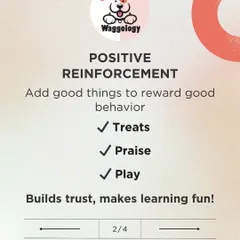
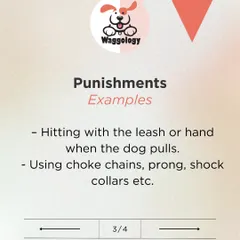
Punishment might stop a behavior instantly, but it often suppresses the underlying emotion, leading to bigger issues later. My approach uses treats, rewards, and clear communication to show your dog that you are a reliable partner. Whether we are doing muzzle conditioning or desensitization for a reactive dog, the goal is always the same: building confidence, not compliance.
Similar work from other experts
Browse through Curated picks from other experts on mytribe
My Dog Training Philosophy: Respect and Trust
Building Trust and Positive Dog Training
My Dog Training Philosophy: Building Trust, Not Just Commands
My Philosophy: A Kinder Approach to Dog Training
My Training Philosophy and Approach
Build a Bond Based on Trust, Not Just Commands
More from Dog Boarding & Residential Training by Aishani Mathur
More services by Aishani Mathur