Traditional Indian Feasts, Reimagined
Recreating the festive nostalgia of 56 Bhog and regional thalis, entirely plant-based and cruelty-free.
A closer look at the breads and sweets from my vegan 56 Bhog. This platter includes classic Indian sweets like jalebi and laddoos, alongside savory pooris and puranpoli, all made without dairy.
This is the heart of my vegan Gujarati thali: a bowl of creamy, spicy 'dahi tikhari' made from a soy-cashew curd. It's served with bajra roti topped with my special coconut-based vegan ghee.
A creative presentation of a comforting meal. Here, I've served a rich, creamy dal alongside whole wheat roti pinwheels, perfect for dipping. It’s a fun twist on the classic dal-roti.
An assortment of vibrant vegetable dishes and pickles from the 56 Bhog spread. You can see preparations like bhindi, mix veg, and palak dal, showcasing a rainbow of flavours.
A comforting plate of clove-scented rice and jaggery rice from my Janmashtami feast. These dishes prove that even the simplest recipes can be elevated with the right techniques and ingredients.
A variety of sweets and snacks from the vegan feast. This image features dairy-free shrikhand, gurpara, and other traditional treats that are central to any celebration.
A rustic plate featuring kela methi ki sabzi (banana and fenugreek) and chunks of jaggery. This combination of sweet, savory, and bitter is a hallmark of authentic Gujarati cuisine.
A close-up of the bajra rotis topped with my vegan ghee, served with mini samosas and a cabbage and pea stir-fry. This is the kind of soulful, everyday food I love to teach.
About Traditional Indian Feasts, Reimagined
When I set out to recreate a traditional 56 Bhog, the biggest hurdle wasn't the recipes, but the deeply held belief that Indian festivities require dairy to feel complete. I developed specific techniques using soy-cashew curd for dishes like dahi tikhari and creamy coconut-based bases that maintain that rich, authentic mouthfeel you expect in a Gujarati thali. It is about proving that tradition does not have to mean sacrifice, and you can achieve that classic, soulful flavour without any animal suffering.
Why Traditional Indian Food Needs a Vegan Makeover
Indian food is built on emotion—it's the comfort of maakehaathkakhana (food made by mum) that we all crave. Too often, people assume that going vegan means losing that nostalgia. My goal in these workshops is to bridge that gap. I don't just give you recipes; I show you how to swap ingredients without losing the texture or depth of flavour.
The Techniques We Master
In my Gurgaon kitchen, we focus on the science of plant-based substitutions that actually work for Indian palates:
- The Dairy Swap: We move beyond store-bought alternatives by making our own veganghee and nut-based curds that don't split when heated.
- Festive Feasts: From preparing a dairy-free 56 Bhog for Janmashtami to crafting gluten-free, millet-based puranpoli, we tackle the complex items that usually define our festivals.
- Whole Ingredients: We use zero refined sugar or maida. Instead, we rely on jaggery, millets, and fresh, organic produce to build our flavour profiles.
What You Will Learn
Whether you are a home cook looking to transition your family to healthier habits or a food enthusiast curious about plant-based techniques, my sessions are designed for you.
- Hands-on Experience: You will knead, mix, and taste. It is not a spectator sport; you learn by doing.
- Beyond the Recipe: I teach you how to source ingredients in NCR, how to troubleshoot when a texture isn't right, and how to maintain the nutritional integrity of your food.
- Take-home Support: Every workshop concludes with a folder of recipes, plus bonus notes for home practice, ensuring you have the confidence to recreate these feasts long after the class ends.
Similar work from other experts
Browse through Curated picks from other experts on mytribe
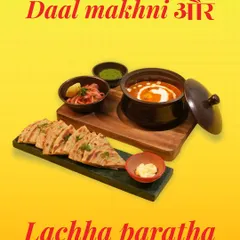
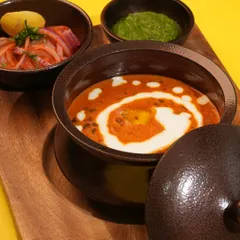
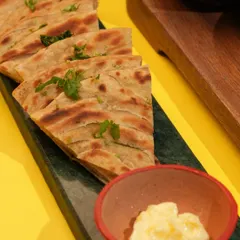
Authentic North Indian & Rajasthani Catering
 7
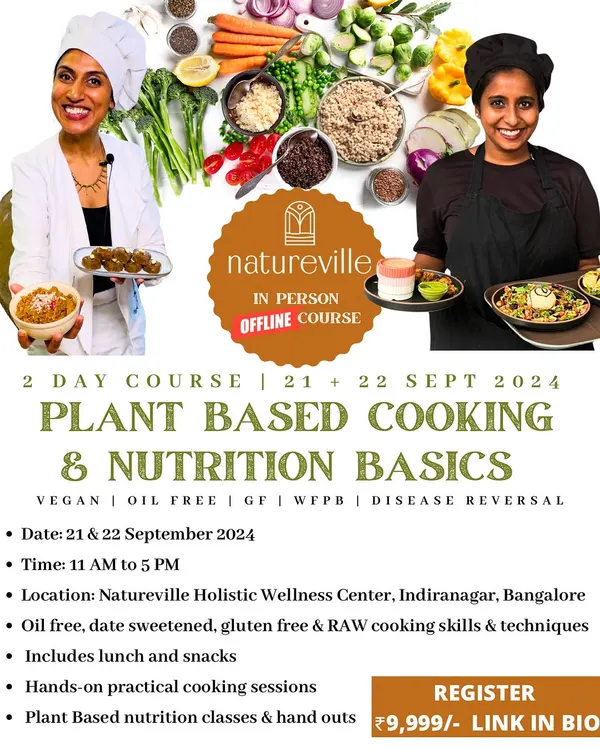
7Plant-Based Cooking Workshops in Bangalore
 9
9
Nourishing Vegetarian Meals: Healing Through Real Food
Healthy Festive Feasts: Guilt-Free Indian Recipes
 28
28
Festive Feasts and Special Occasion Catering
 7
7

Gourmet Plant-Based & Satvik Catering Services
More from Vegan & Healthy Cooking Workshops by The Vedic Kitchen
More services by The Vedic Kitchen